
As winter fades and outdoor spaces come back to life, Minnesota property owners enter one of the most important periods of the year for lawn care and landscaping. Early-season maintenance plays a defining role in how lawns perform through summer and into fall. Thoughtful timing, region-appropriate techniques, and proactive planning can help prevent common turf issues while enhancing the overall appearance and durability of your property.
This guide outlines foundational spring practices that support healthy lawns, resilient landscapes, and well-maintained outdoor environments — all tailored to Minnesota’s unique climate conditions.
When grass shifts from dormancy into active growth, it becomes more responsive to care and correction. Soil begins to warm, microbial activity increases, and roots actively absorb nutrients. This window allows property owners to address issues that may have developed over winter, such as compaction, thinning turf, or uneven growth.
Focusing on lawn health early in the season helps:
Well-timed care now often reduces the need for corrective treatments later.
Before starting any major lawn treatments, it’s important to assess current conditions.
Minnesota soils can vary widely, even within the same neighborhood. Compaction from snow cover and foot traffic can restrict root growth and limit water absorption. Aeration is commonly recommended when soil feels dense or water pools on the surface.
Early growth reveals problem areas clearly. Look for:
Identifying these issues early allows for targeted solutions such as overseeding or soil amendment.
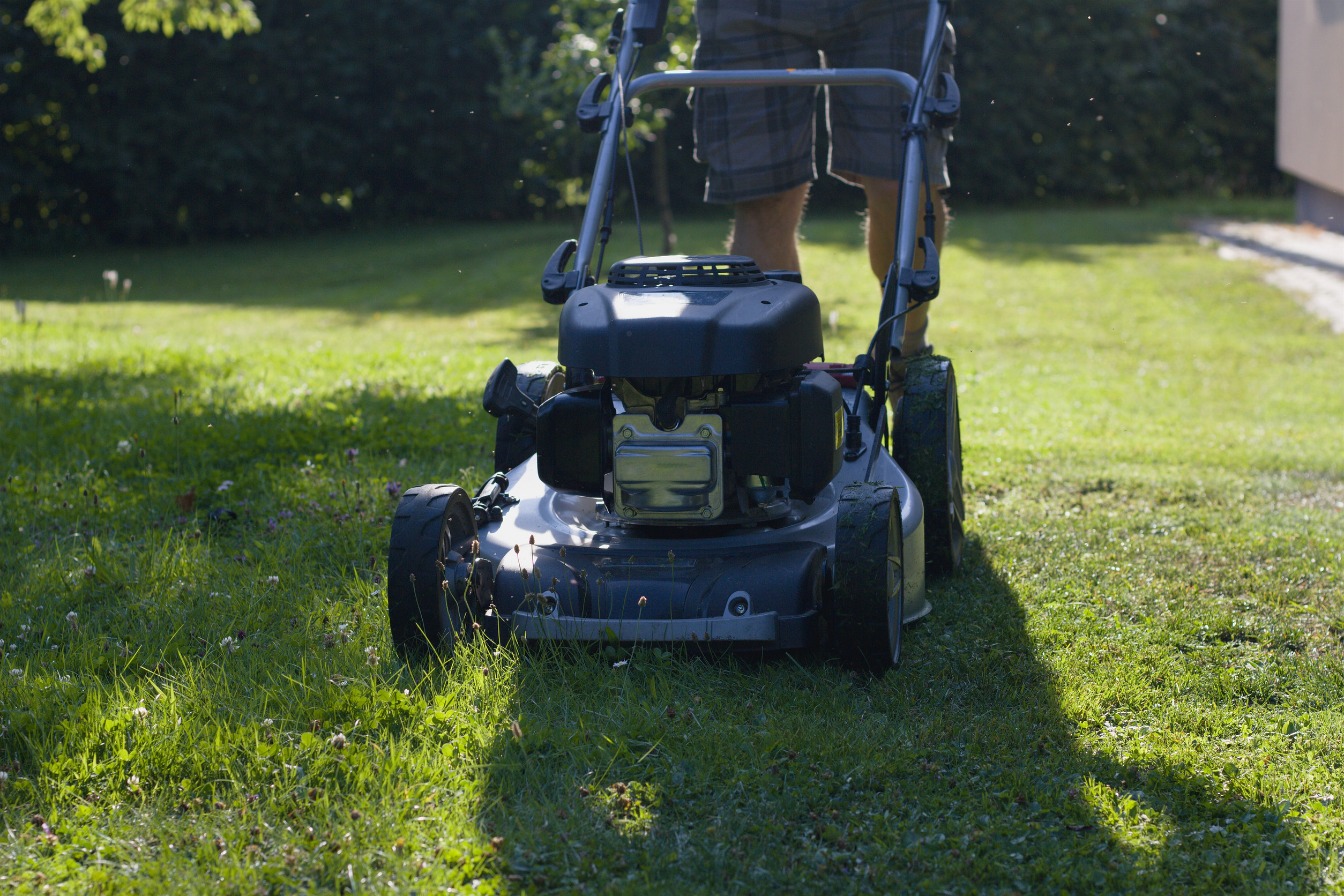
Proper mowing habits are one of the most effective — and often overlooked — elements of lawn care.
Best practices include:
Taller grass shades soil, reduces evaporation, and discourages weed germination. Consistent mowing encourages thicker turf and improves lawn appearance throughout the season.
Fertilizer supports healthy growth, but application timing matters. Lawns benefit most once grass is actively growing and able to utilize nutrients efficiently.
A slow-release fertilizer provides steady feeding without forcing rapid top growth that can weaken turf. Fertilization is especially effective when paired with proper mowing and aeration, allowing nutrients to penetrate the root zone more effectively.
Soil testing can further refine fertilizer selection, helping avoid excess nutrients while supporting balanced growth.
Areas affected by snow cover, ice, or heavy use often need reinforcement. Overseeding helps restore density and improve overall lawn resilience.
Effective overseeding includes:
Repairing thin areas early helps prevent weeds from filling gaps later in the season.
As temperatures rise, weed pressure increases quickly. Addressing weeds while they are young reduces competition for nutrients and water.
Targeted removal of early broadleaf weeds helps maintain turf density and appearance.
Crabgrass and other annual weeds are best managed through pre-emergent applications timed to soil temperature trends. Proper planning improves effectiveness while minimizing the need for corrective treatments later.
While spring rainfall contributes valuable moisture, supplemental watering is often needed — particularly for new seed or stressed turf.
Watering recommendations include:
Developing efficient watering habits early supports long-term lawn health and water conservation.
Spring is also an ideal time to refresh and enhance landscape features.
Cool conditions support successful planting of:
Preparing beds early allows plants to establish roots before peak summer heat.
Fresh mulch improves moisture retention, suppresses weeds, and gives landscape beds a clean, finished appearance. Applying mulch at the correct depth helps protect plants without trapping excess moisture.
Inspecting walkways, pavers, and edging early helps prevent small issues from becoming larger repair needs later in the year.
Modern lawn and landscape care increasingly emphasizes sustainability. Practices such as compost incorporation, native plant selection, and efficient watering reduce environmental impact while improving long-term results.
Pollinator-friendly plantings, soil-building techniques, and thoughtful layout decisions support both aesthetics and ecosystem health.
Successful property care relies on consistency rather than quick fixes. A seasonal plan helps homeowners stay ahead of growth cycles and environmental changes.
A typical early-season plan includes:
Whether handled independently or with professional support, understanding these steps leads to more predictable and enjoyable outcomes.
RJ3 Property Maintenance provides services designed around Minnesota’s seasonal cycles, helping property owners maintain healthy, attractive outdoor spaces.
Relevant spring services include:
These services are designed to support both immediate needs and long-term property health.
If you have questions about lawn care, landscaping, or seasonal property maintenance for your Minnesota home or cabin, please contact:
RJ3 Property Maintenance
11189 Sleepy Hollow Drive
Brainerd, MN 56401
Email: info@rj3pm.com
Phone: 218-576-4992