
June marks an important turning point for lawns across Minnesota. The intense growth of early spring begins to level out, while longer days, rising temperatures, and changing moisture patterns introduce new challenges for turf health. Lawns that received proper spring care now shift into a maintenance-focused phase — one that emphasizes consistency, protection, and stress prevention.
Rather than pushing growth aggressively, June lawn care is about preserving strength, supporting root systems, and preparing turf to handle summer conditions. Understanding how grass responds during this stage allows homeowners to make informed decisions that benefit the lawn well beyond the current season.
Minnesota lawns are primarily composed of cool-season grasses such as Kentucky bluegrass, fine fescue, and perennial ryegrass. These grasses thrive during cooler temperatures but become more vulnerable as heat increases.
In June:
The goal during this phase is not maximum growth, but durability and balance.
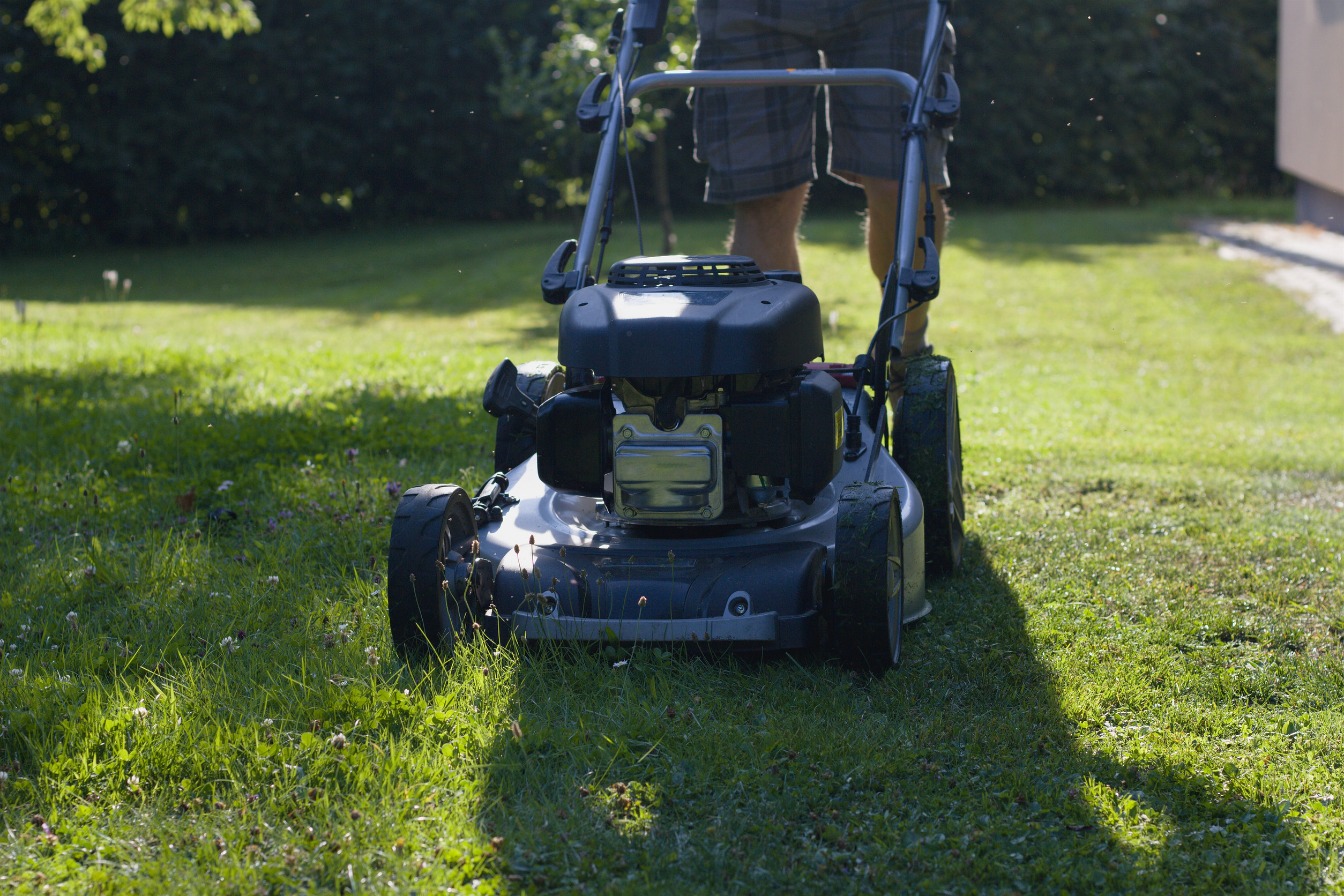
Mowing remains one of the most influential factors in lawn health, especially in June.
Maintaining grass at a slightly taller height — generally around 3 to 3.5 inches — helps:
Taller grass also encourages deeper root systems, which are better equipped to handle summer dryness.
Rather than mowing on a rigid calendar schedule, mowing should be based on growth rate. Removing more than one-third of the grass blade at a time can shock turf and weaken growth patterns.
Sharp mower blades are essential, as clean cuts heal faster and reduce the risk of disease.
As rainfall patterns fluctuate, watering practices become increasingly important in June.
Deep watering encourages roots to grow downward rather than remaining shallow. Shallow root systems are more susceptible to drought and heat stress.
General watering principles include:
Lawns that are watered properly in June often perform better during peak summer heat.
Excessive fertilization during early summer can lead to rapid top growth without sufficient root support. This imbalance may increase vulnerability to disease, drought stress, and mowing damage.
June lawn care typically benefits from:
Balanced growth supports longevity rather than short-term appearance.
Soil conditions play a critical role in how lawns respond to seasonal stress.
Foot traffic, mowing equipment, and natural settling can compact soil, limiting oxygen and water movement to roots. Compacted areas may appear thin, slow-growing, or uneven.
While major soil correction often occurs later in the season, recognizing compaction early helps guide maintenance decisions and prevent further decline.
Soils with adequate organic matter retain moisture more effectively and provide a stable environment for roots. Healthy soil structure supports consistent growth throughout the summer.
Weeds that survived spring treatments often become more noticeable as temperatures rise. Dense turf remains the most effective defense.
June weed management focuses on:
Healthy lawns naturally limit weed establishment by reducing available space and resources.
One of the most effective lawn care strategies in June is observation. Early signs of stress may include:
Addressing these subtle indicators early prevents small issues from becoming widespread problems later in summer.
Seasonal and recreational properties often experience irregular maintenance schedules. June is an ideal time to:
Maintaining turf stability during this period helps preserve the property’s appearance and usability throughout the season.
Professional lawn care providers offer valuable insight into seasonal timing, growth management, and maintenance consistency. Services that align with June lawn care needs often include:
This support helps translate seasonal best practices into reliable results.
If you have questions about summer lawn care, property maintenance, or sustaining healthy turf for your Minnesota home or cabin, please contact:
RJ3 Property Maintenance
11189 Sleepy Hollow Drive
Brainerd, MN 56401
Email: info@rj3pm.com
Phone: 218-576-4992