
A healthy lawn depends on more than sunlight and water. Beneath the surface, grass relies on airflow, oxygen exchange, and soil balance to remain strong throughout the growing season. When airflow is restricted — often due to excess thatch or compacted soil — turf health can decline even when other care practices appear correct.
In Minnesota, cool-season grasses grow actively during early summer, making this an important time to evaluate what is happening below the blades. Lawns that struggle later in the season often show early signs of restricted airflow long before visible damage appears.
Understanding how lawns “breathe” helps property owners protect turf strength, improve moisture efficiency, and support long-term resilience.
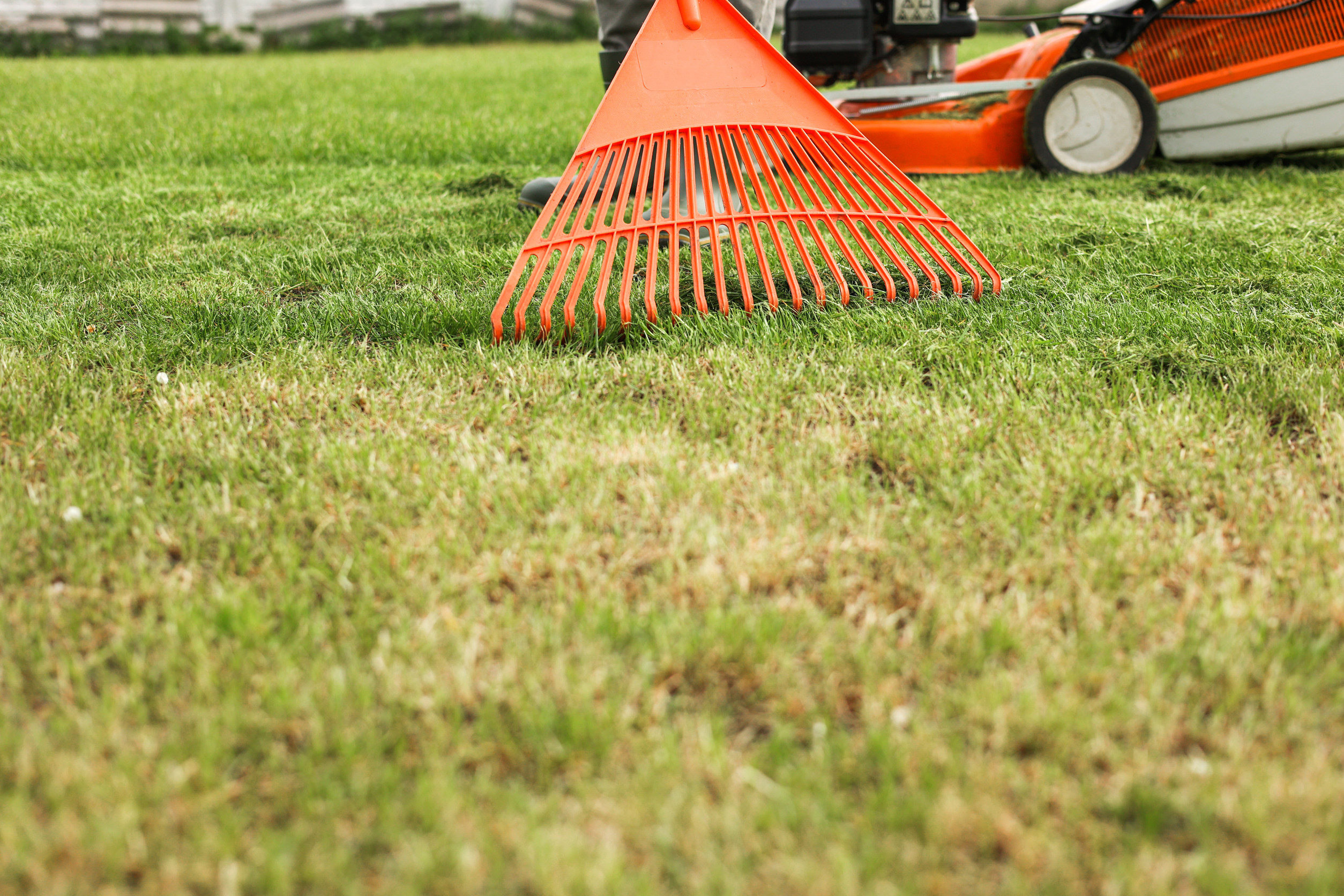
Thatch is a layer of dead and living organic material that accumulates between grass blades and the soil surface. While a thin layer can protect turf, excessive thatch interferes with essential lawn functions.
When thatch builds up faster than it breaks down, it forms a dense barrier that blocks air, water, and nutrients from reaching the soil.
Several factors contribute to thatch accumulation, particularly in Minnesota lawns:
Kentucky bluegrass and similar grasses spread through rhizomes, which can contribute to thatch when growth outpaces decomposition.
Fluctuating rainfall combined with irrigation can slow organic breakdown in compacted or poorly aerated soil.
Excess nitrogen encourages rapid top growth without supporting microbial activity needed for decomposition.
Cold winters and short microbial seasons can slow natural thatch breakdown compared to warmer regions.
Thatch buildup affects lawns in multiple ways, often without immediate symptoms.
Roots require oxygen to function properly. Thatch reduces oxygen exchange, weakening root systems over time.
Water may pool on the surface or remain trapped in the thatch layer rather than soaking into the soil where roots need it.
Moist, stagnant layers create favorable conditions for fungal issues, particularly during warm, humid periods.
Lawns with restricted root systems struggle to recover from heat, foot traffic, and dry conditions.
Early detection helps prevent larger issues later in the season.
Common indicators include:
Checking thatch depth by gently lifting turf or using a small soil probe provides insight into buildup levels.
Airflow is just as critical as water and nutrients. Healthy lawns require:
When airflow is limited, soil becomes stagnant, slowing nutrient cycling and root development.
Airflow challenges are often mistaken for nutrient deficiencies, leading to unnecessary treatments that fail to address the root cause.
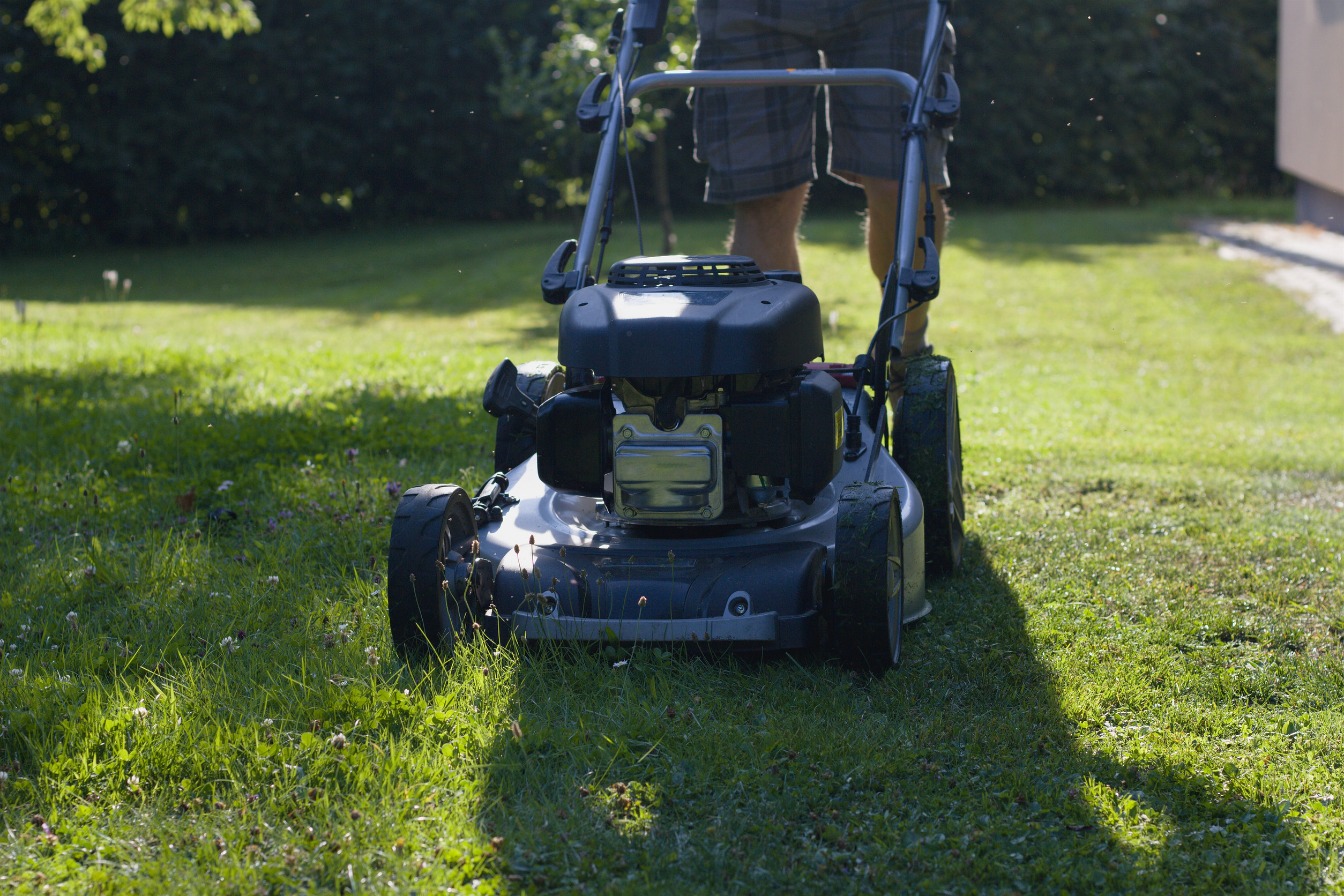
Proper mowing directly influences airflow and thatch development.
Slightly taller grass:
Cutting grass too short weakens turf and increases thatch formation by stimulating excessive stem growth.
Grass clippings typically do not contribute to thatch when mowed correctly. Returning clippings helps recycle nutrients and support soil microbes.
Watering habits can either support or hinder airflow.
Light, frequent irrigation encourages shallow roots and surface moisture, contributing to thatch buildup.
Watering deeply and less often promotes root depth and microbial activity that helps break down organic material.
Balanced moisture supports both airflow and soil health.
Healthy soil organisms play a vital role in managing thatch naturally.
Beneficial microbes decompose organic matter, keeping thatch layers thin and functional.
Soils with proper organic content support airflow while retaining moisture efficiently.
Compacted or depleted soils limit biological activity, slowing natural thatch reduction.
While mechanical aeration is often scheduled later in the season, recognizing airflow issues early allows for better planning.
Signs that aeration may be beneficial include:
Understanding these indicators helps align future maintenance with actual lawn needs.
Cabins often experience inconsistent care patterns, which can contribute to unnoticed thatch buildup.
Factors include:
Paying attention to airflow and soil condition helps maintain turf stability even with intermittent use.
Lawns that breathe well:
Supporting airflow is not a one-time fix but part of a balanced maintenance approach.
Professional lawn care providers assess:
This evaluation helps determine whether airflow limitations exist and how to address them without unnecessary treatments.
If you have questions about lawn health, soil conditions, or maintaining strong turf for your Minnesota home or cabin, please contact:
RJ3 Property Maintenance
11189 Sleepy Hollow Drive
Brainerd, MN 56401
Email: info@rj3pm.com
Phone: 218-576-4992