
The heart of summer is both the most rewarding and most demanding time for lawn care in northern climates. Long days of sun encourage rapid grass growth, but frequent heat spikes, sporadic thunderstorms, and heavy use can exhaust your lawn if practices aren’t tailored to the conditions. Unlike early spring or fall, this period calls for a more nuanced approach — one that protects turf from stress rather than simply promoting growth.
A healthy lawn in mid-summer isn’t about perfection. It’s about balance: keeping turf strong under pressure while avoiding common errors that can weaken roots or open lawns up to weeds and disease. In this guide, we’ll cover practical strategies for watering, mowing, soil care, weed and pest management, and late-season preparation so your lawn thrives now and transitions smoothly into cooler weather.
One of the most important adjustments during peak summer is how you water your lawn. Heat and drought stress can quickly dry out the soil, but frequent shallow watering encourages surface root growth and leaves grass susceptible to heat and drought.
Instead, aim for deep, infrequent watering that encourages roots to grow downward into the soil where moisture lasts longer. General guidance suggests about 1 to 1.5 inches of water per week, including rainfall, delivered in one or two deep watering sessions rather than short daily applications. This supports stronger root systems that can better withstand heat and drought fluctuations.
Best times to water:
Deep watering benefits include:
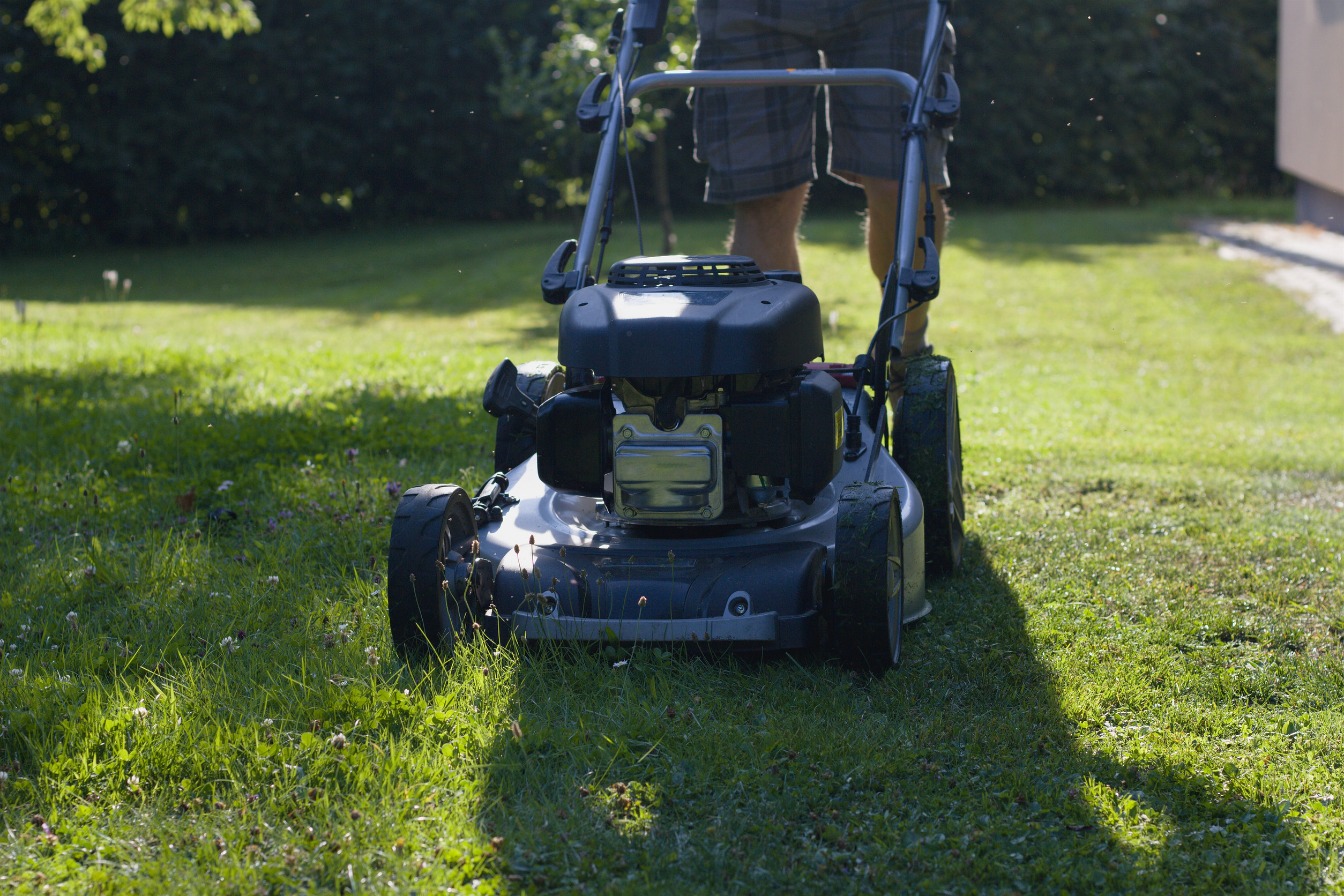
Maintaining the right mowing height is critical during the stressful mid-summer months. Cutting grass too short (often called “scalping”) exposes soil to intense sun, increases evaporation, and weakens turf resilience.
Optimal mowing practices include:
Taller grass shades the soil and helps it retain moisture, which keeps roots cooler and discourages weed growth. Clean, sharp cuts also reduce stress and the risk of disease.
As summer progresses, weakened or thin areas of lawn can become magnets for weeds. Weeds compete with turf for water, nutrients, and space. Mid-season weed control helps your lawn maintain density and stay competitive.
Addressing weeds early reduces competition and prevents larger problems in the fall.
Warm, humid conditions can encourage pest activity and fungal disease. While complete disease control is most effective through seasonal patterns, monitoring for abnormal brown patches, thinning areas, or unusual irregular spots helps catch problems early.
If you see areas that seem stressed, evaluate whether:
Addressing these issues early — through cultural practices like proper watering and mowing — often reduces the need for chemical control.
Well-structured, nutrient-balanced soil helps lawns survive peak summer conditions. Soil that drains well yet retains enough moisture encourages deeper roots and better stress tolerance.
Soil health practices worth considering include:
Healthy soil supports natural resilience, reducing the need for reactive treatments.
While mid-summer is not the time for major renovation like full overseeding, it is a good time to assess turf condition and prepare mentally and physically for upcoming maintenance windows.
Tasks to consider for later in the season include:
Good planning now pays dividends when the growing conditions shift toward more favorable temperatures.
Lawns under heavy foot traffic or shaded by trees face additional stress:
High-Use Areas:
Shaded Areas:
These areas often show signs of stress first, so proactive care helps preserve overall lawn health.
Well-timed care practices during peak summer lay the foundation for:
Rather than striving for perfect green color every week, aim for a resilient and balanced lawn that can weather heat, moisture variation, and seasonal transitions.
Mid-summer lawn care for Brainerd Lakes properties requires thoughtful balance: deep, timely watering, careful mowing, weed monitoring, soil health support, and preparation for later seasonal tasks. When you pay attention to turf stress and adjust your routine to meet environmental conditions, your lawn remains strong and attractive even under summer’s peak challenges. These practices help support long-term lawn performance and reduce the need for corrective work later.
If you have questions about summer lawn maintenance, watering strategies, soil care, or preparing your lawn for seasonal transitions in the Brainerd Lakes area, please contact:
RJ3 Property Maintenance
11189 Sleepy Hollow Drive
Brainerd, MN 56401
Phone: 218-576-4992