
As summer begins to wind down, lawns across the Brainerd Lakes area reflect everything they’ve endured over the past several months. Heat, storms, heavy use, and inconsistent rainfall can leave turf thinner, less vibrant, and slower to recover. While early summer lawn care often focuses on survival, late summer is about transition — helping grass rebound and preparing it for the next phase of growth.
This period offers an important opportunity. Conditions are still warm enough for active root development, yet subtle environmental shifts make turf more responsive to thoughtful care. Taking the right steps now can significantly improve lawn performance heading into fall and reduce the need for more intensive repairs later.
Late summer care is about restoring balance. Grass plants that have been conserving energy during peak heat begin redirecting resources back to root growth as stress eases.
Benefits of proper late-season care include:
Ignoring this window can allow stress symptoms to harden into long-term problems.
Before adjusting your lawn care routine, it’s important to assess current conditions.
Take note of:
This evaluation helps guide where to focus attention and where turf may already be recovering naturally.
Watering strategies that worked during extreme heat often need refinement as conditions shift.
Late-summer watering should:
Gradually transitioning from survival watering to recovery watering encourages turf to rebuild strength without encouraging shallow roots or disease.
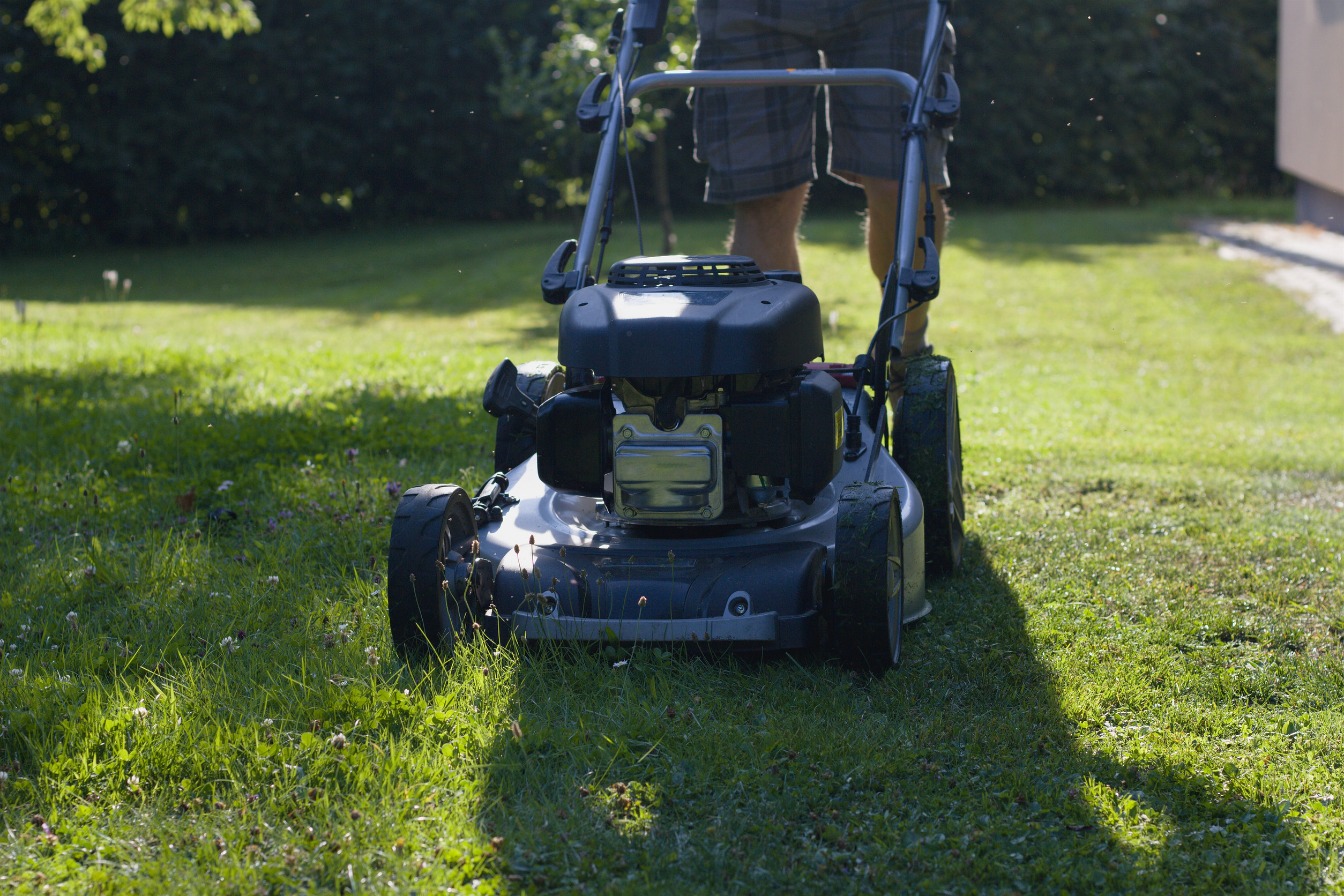
Mowing remains one of the most influential maintenance tasks during late summer.
Key adjustments include:
Grass that is allowed to recover between mowings develops better structure and resilience.
Soil compaction often becomes more noticeable late in the season after months of use.
Signs of compaction include:
While major correction is often best timed later, identifying compacted zones now helps plan effective solutions.
Root development is the foundation of long-term turf health.
Late summer is an ideal time to:
Strong roots help lawns transition smoothly into cooler conditions and improve durability year after year.
As turf regains strength, it becomes more competitive against weeds.
Late-summer weed management focuses on:
Healthy grass remains the most effective weed deterrent.
Seasonal properties often see fluctuating care schedules late in the summer.
Helpful strategies include:
These steps help lawns stabilize even with irregular use.
Late summer is an excellent time to plan — not necessarily execute — major lawn improvements.
Now is the time to:
This preparation allows for timely action when conditions are most favorable.
Nutrient needs shift as turf transitions from stress to recovery.
Late-season fertility should:
Balanced nutrition now improves turf response later without overstimulation.
Drainage issues often become apparent after summer storms.
Watch for:
Correcting minor drainage issues early helps prevent larger problems as seasonal precipitation patterns change.
Not all late-summer lawn issues require immediate correction.
In many cases:
Understanding when to act — and when to allow natural rebound — is key to long-term lawn success.
Lawns that receive thoughtful care during this period often experience:
Late-summer care is an investment in future performance.
Late summer represents a crucial transition phase for lawns in the Brainerd Lakes area. By adjusting watering and mowing practices, supporting soil health, monitoring stress patterns, and planning ahead for future improvements, homeowners can help turf recover from summer challenges and prepare for the next growing season. Thoughtful care now strengthens lawns for the long term and reduces the need for more intensive maintenance later.
If you have questions about late-summer lawn care, seasonal transitions, or maintaining healthy turf for your home or cabin in the Brainerd Lakes area, please contact:
RJ3 Property Maintenance
11189 Sleepy Hollow Drive
Brainerd, MN 56401
Phone: 218-576-4992