

Maintaining a healthy, attractive lawn in the Brainerd Lakes Area requires more than routine mowing. As temperatures cool and daylight shortens, lawns in Central Minnesota enter an important phase of growth and recovery. This period plays a major role in determining how well turf withstands winter stress and how quickly it rebounds in the following growing season.
Seasonal lawn care focuses on strengthening root systems, improving soil conditions, and reducing environmental stressors before winter arrives. For property owners in the Brainerd Lakes region, following a structured maintenance approach helps lawns remain resilient while also improving overall property appearance. With professional support and region-specific knowledge, these efforts become both manageable and effective.
Lawns in this region are primarily made up of cool-season grass varieties such as Kentucky bluegrass, perennial ryegrass, and fine fescues. These grasses follow a predictable growth cycle that differs significantly from warm-season turf found in southern climates.
During late summer and early fall, cool-season grasses naturally shift energy away from blade growth and toward root development. This makes it an ideal time to address compaction, nutrient deficiencies, and thin turf areas. Lawn care tasks completed during this window support deeper roots, improved moisture retention, and stronger turf density — all of which help lawns survive winter conditions common in the Brainerd Lakes Area.
Soil compaction is a common issue across residential and commercial properties, especially in high-traffic areas or lawns built on clay-heavy soils. Compacted soil limits the movement of air, water, and nutrients, making it difficult for grass roots to thrive.
Core aeration alleviates this problem by removing small plugs of soil, allowing the lawn to breathe and absorb resources more efficiently. When performed during periods of active root growth, aeration improves turf density, enhances fertilizer effectiveness, and reduces surface runoff.
In the Brainerd Lakes region, aeration is particularly valuable as lawns prepare for colder weather. It encourages deeper root growth, which helps turf better tolerate freeze-thaw cycles and spring melt conditions.
Overseeding works hand-in-hand with aeration to fill in sparse areas and reinforce existing turf. Thicker lawns naturally resist weeds, manage moisture more efficiently, and create a more uniform appearance.
Applying grass seed after aeration improves seed-to-soil contact, increasing germination success. Choosing grass varieties suited to Minnesota’s climate ensures new growth integrates well with existing turf and withstands seasonal stress.
Over time, overseeding contributes to a healthier lawn ecosystem by improving root structure and reducing reliance on chemical weed control.
Fertilization plays a critical role in supporting root development and nutrient storage as lawns prepare for dormancy. Applying the correct fertilizer blend at the right time helps turf build carbohydrate reserves that fuel early growth once temperatures rise again.
Slow-release fertilizers are often recommended because they provide consistent nutrition without overstimulating blade growth. Excessive top growth late in the season can increase disease risk and reduce winter hardiness.
For properties in environmentally sensitive areas near lakes and waterways, responsible fertilization practices also help protect local ecosystems by minimizing runoff and nutrient pollution.
Falling leaves and organic debris may seem harmless, but allowing them to accumulate can negatively impact lawn health. Thick leaf cover blocks sunlight, traps moisture, and creates conditions conducive to mold and fungal diseases.
Regular leaf removal prevents turf suffocation and promotes better air circulation. Mulching smaller amounts of leaves into the lawn can be beneficial, but excessive buildup should be removed to maintain healthy grass coverage.
In the Brainerd Lakes Area, proactive debris management also helps protect nearby water sources by reducing organic runoff and maintaining cleaner landscapes.
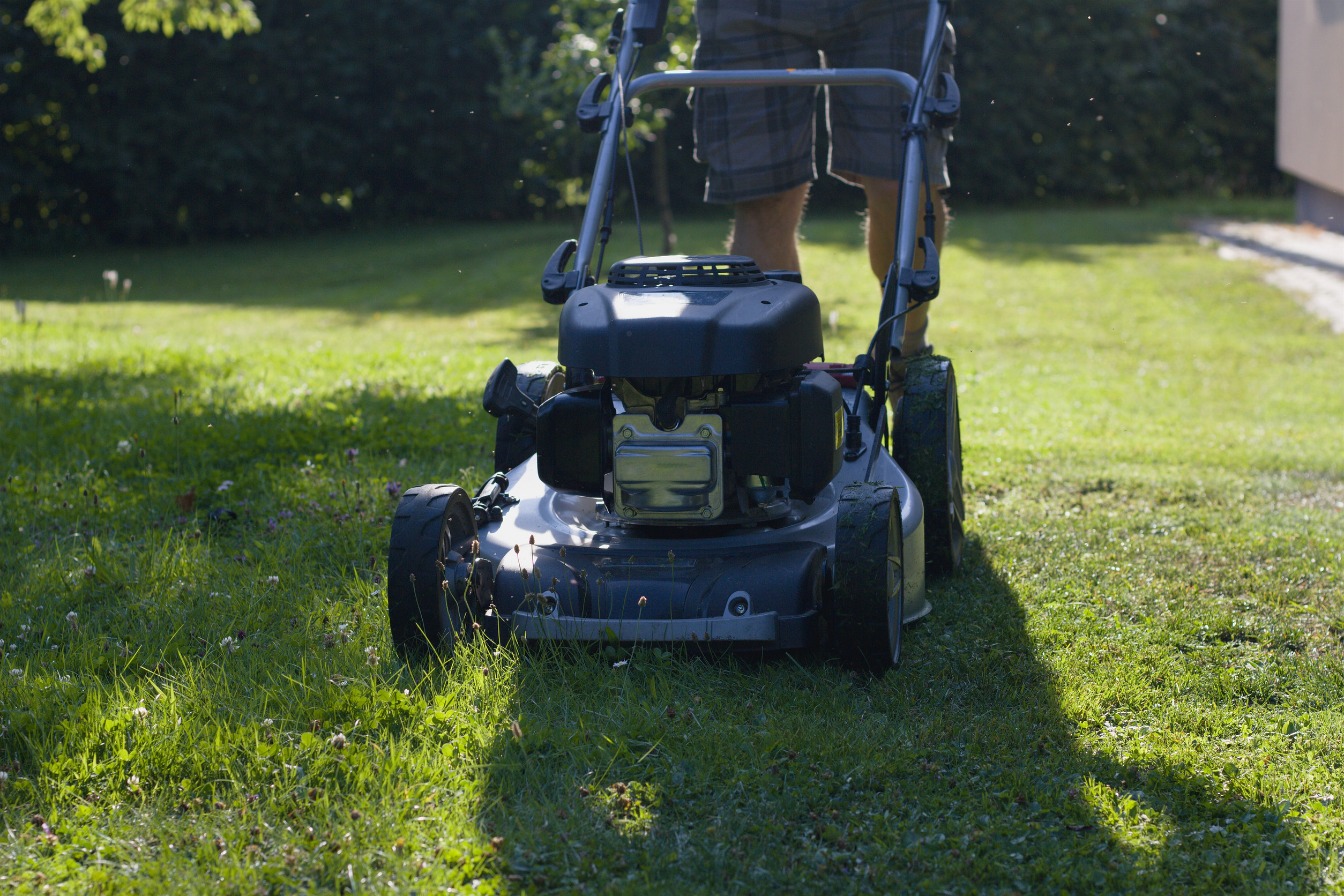
Mowing remains important as long as grass continues to grow. However, mowing height and frequency should be adjusted as growth rates decline.
Gradually lowering mowing height helps prevent matting under snow while still protecting grass crowns. Cutting grass too short too quickly can stress the lawn, while leaving it too long may increase the risk of snow mold.
Consistent mowing until growth naturally stops helps maintain uniform turf and reduces cleanup needs in spring.
Healthy soil forms the foundation of a resilient lawn. Excessive thatch — a layer of dead grass and organic material — can interfere with water absorption and nutrient delivery.
Aeration helps reduce thatch naturally, while proper watering and fertilization prevent excessive buildup. In some cases, dethatching may be necessary to restore balance and improve soil performance.
Maintaining soil health also supports beneficial microorganisms that contribute to nutrient cycling and turf vitality.
Cold temperatures, snow cover, and freeze-thaw cycles place significant stress on lawns in Central Minnesota. Proper preparation reduces damage and improves recovery once spring arrives.
Key winter-prep considerations include:
These steps help protect grass crowns and root systems during months of inactivity.
Seasonal lawn care is only one component of comprehensive property maintenance. In the Brainerd Lakes Area, full-service property care often includes landscaping, cleanup, and ongoing maintenance that supports both functionality and appearance.
Coordinating lawn care with broader property services ensures consistent results and reduces long-term maintenance challenges. This integrated approach is especially valuable for seasonal homes, rental properties, and larger residential lots common throughout the region.
Climate, soil composition, and environmental considerations vary widely across Minnesota. Working with professionals who understand local conditions allows property owners to make informed decisions and avoid one-size-fits-all solutions.
RJ3 Property Maintenance focuses on region-specific lawn care and property maintenance services designed for the Brainerd Lakes Area. This local insight helps ensure maintenance strategies align with actual growing conditions rather than generalized recommendations.
RJ3 Property Maintenance
11189 Sleepy Hollow Drive
Brainerd, MN 56401
Phone: (218) 576-4992
Email: info@rj3pm.com
Proudly serving the Brainerd Lakes area with lawn care, landscaping, yard cleanup, and year-round property maintenance services.