
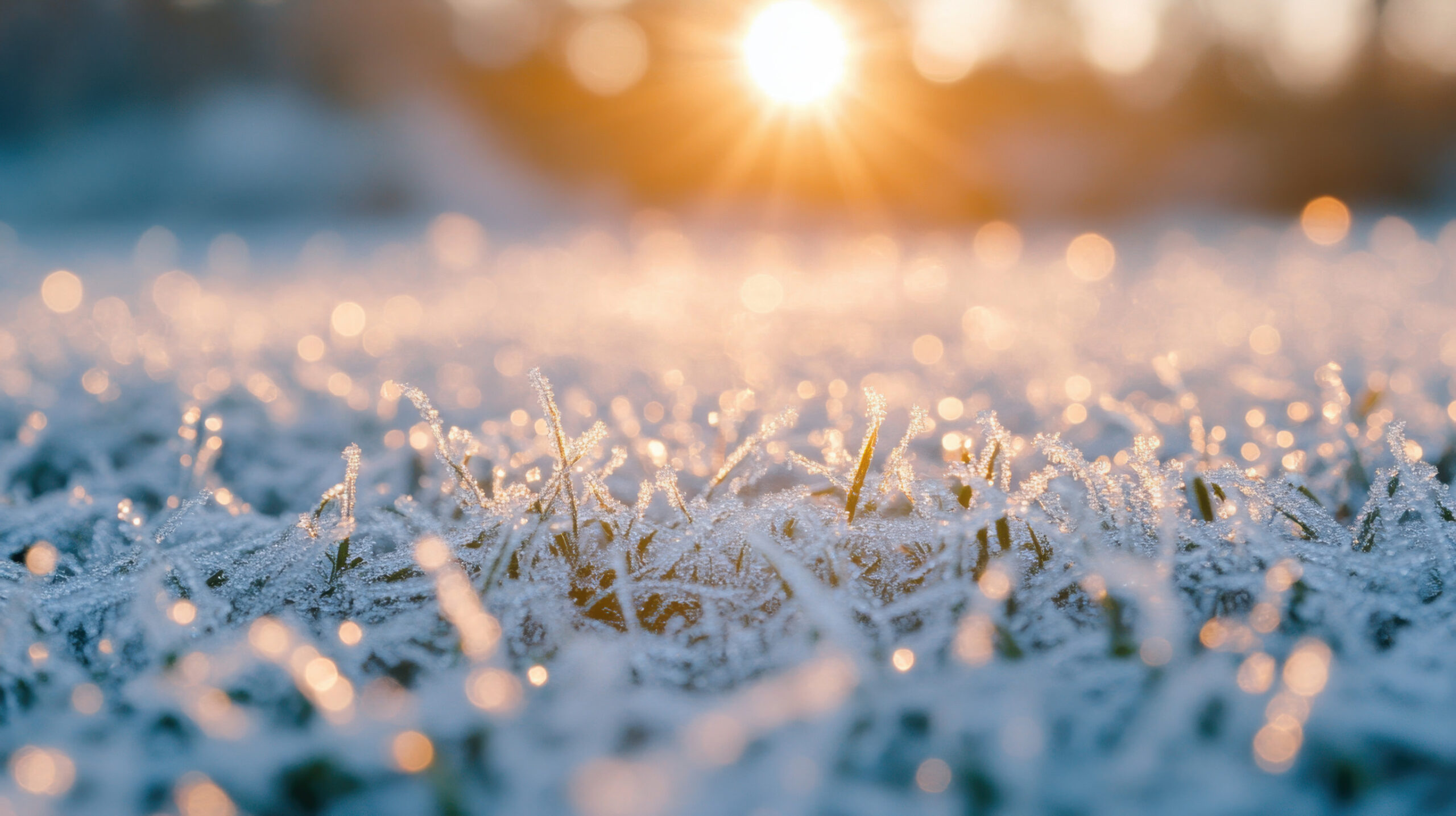
When cooler nights become routine, lawns across Central Minnesota begin responding to temperature shifts long before winter officially arrives. Frost forms when surface temperatures drop low enough to freeze moisture on grass blades, creating a temporary but delicate condition that leaves turf vulnerable to damage.
While frost may disappear once the sun rises, the impact it has on grass health can last well beyond the morning hours. Understanding how frost affects lawns — and how to adjust care habits accordingly — plays an important role in protecting turf during this late-season transition.
Grass blades contain water that expands when frozen. When frost forms, the structure of the grass blade becomes brittle. Walking or driving across frosted turf can crush these frozen cells, leading to broken blades and stressed crowns.
Even though damage may not be immediately visible, repeated stress during frosty conditions can weaken grass plants and reduce their ability to store energy for winter dormancy.
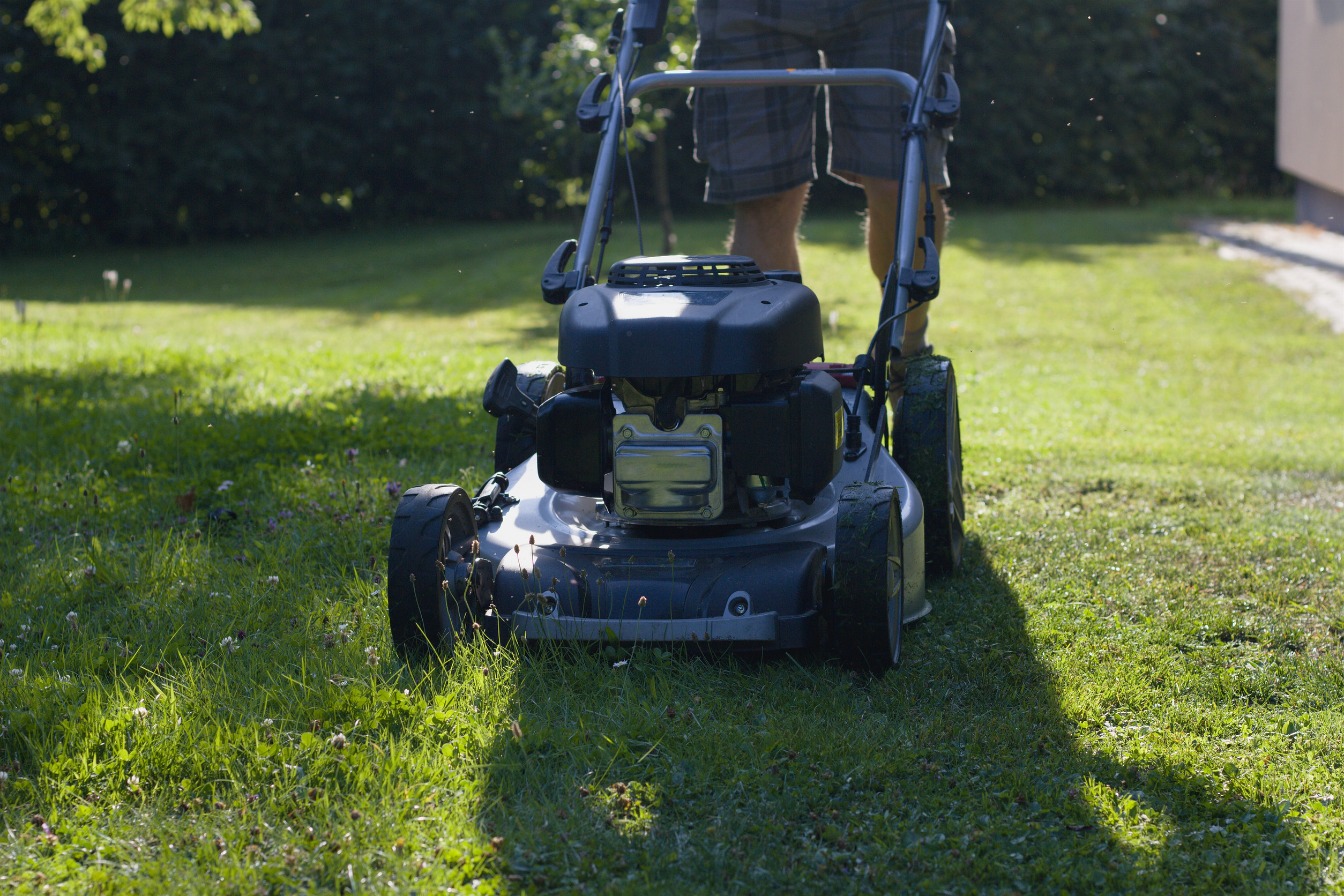
Foot traffic, pets, vehicles, and equipment all place pressure on turf. During warmer months, grass is resilient enough to recover. When frost is present, however, lawns lose that flexibility.
Traffic during frosty conditions can result in:
Managing traffic during this stage helps preserve lawn structure and prevents unnecessary damage.
Not all areas of the lawn are affected equally. Shaded zones, low-lying areas, and sections near hard surfaces tend to hold frost longer.
Common frost-prone locations include:
Recognizing these zones allows property owners to take extra precautions where lawns are most vulnerable.
As frost becomes more common, lawn care routines should adapt. Mowing, raking, and other activities should be delayed until frost has fully melted.
Best practices include:
These adjustments help lawns remain intact and reduce stress as dormancy approaches.
Entryways, paths, and frequently used lawn sections experience more wear and tear during this time. Without protection, these areas often show the most damage in spring.
Temporary solutions may include:
Minimizing pressure on these zones supports more uniform turf recovery later.
Soil that is already compacted is more susceptible to frost damage. Compaction limits root growth and reduces insulation, making turf more vulnerable to temperature fluctuations.
Late-season aeration and responsible traffic management help reduce compaction and protect grass crowns during freeze-thaw cycles.
Moisture combined with frost can increase disease risk if lawns remain matted or shaded for extended periods. Poor airflow and debris buildup compound this issue.
Maintaining clean, well-drained lawns reduces the likelihood of disease developing under snow cover later in the season.
Many Brainerd Lakes properties are seasonal homes that may see reduced maintenance during this period. Without awareness of frost conditions, lawns can experience repeated damage from unnoticed traffic or equipment use.
Professional property maintenance helps ensure lawns are protected during vulnerable periods, even when properties are unoccupied.
Protecting lawns from frost damage now pays off later. Lawns that avoid repeated late-season stress often experience:
Simple adjustments during this phase can make a noticeable difference in long-term lawn health.
Frost timing and frequency vary widely by region. Understanding local climate patterns allows property owners to make smarter decisions about lawn care during transitional seasons.
RJ3 Property Maintenance provides lawn care and property maintenance services designed for the unique conditions of the Brainerd Lakes Area, helping property owners protect their lawns as colder weather approaches.
RJ3 Property Maintenance
11189 Sleepy Hollow Drive
Brainerd, MN 56401
Phone: (218) 576-4992
Email: info@rj3pm.com
RJ3 Property Maintenance proudly serves residential, seasonal, and commercial properties throughout the Brainerd Lakes Area with professional lawn care and year-round property maintenance services.