
Lawn edges serve as the framework of a yard. They define transitions between turf, hard surfaces, and landscape features while guiding traffic and water flow. Yet these same areas are often the first to suffer damage as colder conditions settle in.
Edges along sidewalks, driveways, and patios experience repeated stress from temperature swings, moisture buildup, and physical pressure. Without proper attention, damage that begins at the edges can slowly migrate inward, compromising the health and appearance of the entire lawn.
Edges experience unique conditions that interior lawn areas do not. Soil near hard surfaces freezes and thaws more rapidly, increasing movement and instability.
Common stressors include:
These factors combine to weaken turf crowns and loosen soil structure along lawn edges.
As temperatures fluctuate, soil expands and contracts. Along edges, this movement often causes turf separation, where grass crowns are pulled slightly out of the soil.
Once crowns are exposed:
Preventing repeated soil movement at edges helps keep turf intact and resilient.
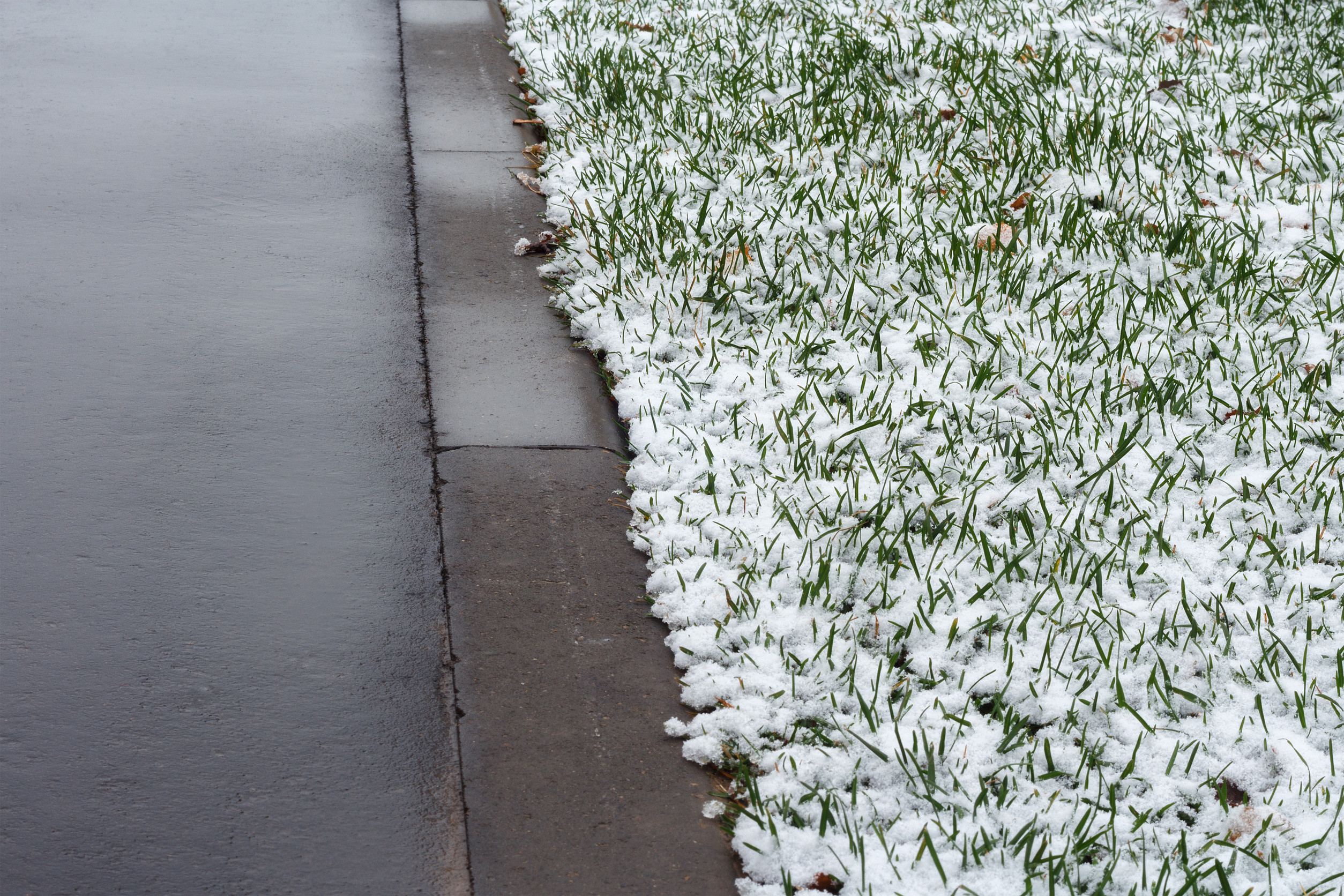
Snow removal often results in piles placed along lawn edges. While convenient, this practice adds weight, moisture, and prolonged darkness to already stressed turf.
Extended snow coverage along edges can:
Managing where snow accumulates reduces prolonged stress and promotes more even lawn recovery.
When edge soil loosens or erodes, turf loses support. Over time, this leads to uneven lawn height, exposed roots, and increased runoff during snowmelt.
Stabilizing edges before winter:
Healthy edges help protect the entire lawn system.
Certain edge areas require extra attention, including:
Redirecting traffic and limiting use in these zones protects turf crowns during a vulnerable period.
Lawns with protected edges often experience:
Edge care is an investment in long-term lawn stability, not just appearance.
RJ3 Property Maintenance
11189 Sleepy Hollow Drive
Brainerd, MN 56401
Phone: (218) 576-4992
Email: info@rj3pm.com