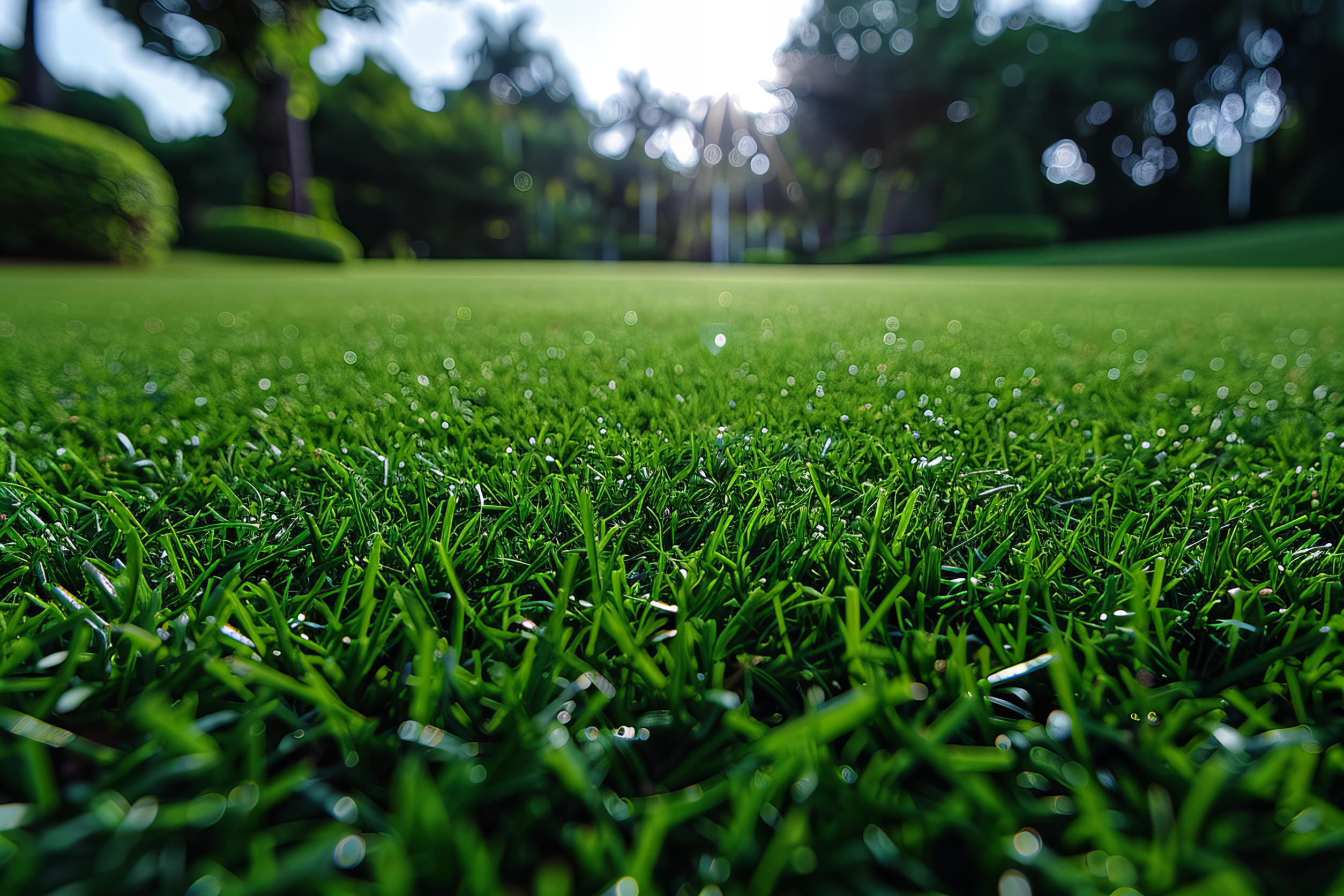

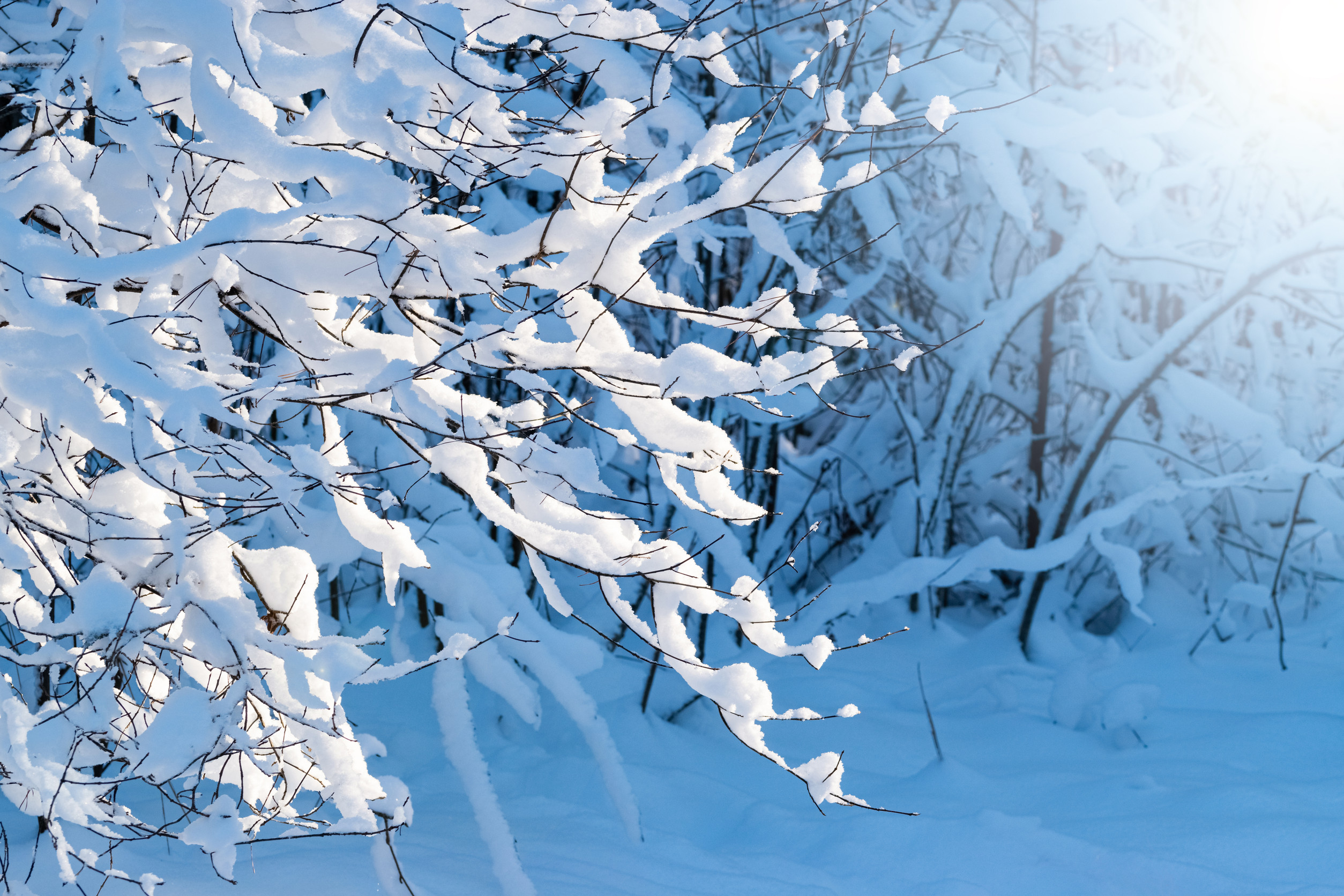
Landscaping may be dormant during winter, but it is far from inactive. Snow cover, ice buildup, and fluctuating temperatures can all influence the health of lawns, shrubs, and trees throughout the season. Because much of this impact happens out of sight, winter landscaping maintenance is often overlooked.
Snow removal practices, pedestrian traffic, and snow storage decisions all play a role in how well landscaping withstands winter conditions and recovers in spring.
Winter weather in the Brainerd Lakes Area creates unique challenges for outdoor spaces. Heavy snowfall, ice accumulation, and freeze–thaw cycles can stress plants and soil over time. Damage often develops gradually and may not become visible until snow melts, making prevention especially important.
Understanding how winter conditions interact with landscaping helps property owners make informed snow removal and maintenance decisions.
Several issues can affect landscaped areas during winter months:
Recognizing these challenges early helps reduce long-term repair needs.
Snow must be moved during winter, but where it’s placed matters. Repeated snow storage on lawns can delay spring green-up and stress turf beneath compacted snow and ice.
Key snow storage considerations include:
Thoughtful snow placement helps protect grass and soil structure throughout winter.
Trees and shrubs remain vulnerable during winter, especially during periods of heavy snowfall or ice accumulation. Branches weighed down by snow can crack or break if not addressed.
Helpful protection practices include:
Addressing damage early helps reduce long-term plant stress.
Winter foot traffic can compact snow and soil, particularly in areas without clearly defined walkways. Compaction limits airflow to turf and can lead to uneven surfaces once snow melts.
Ways to reduce compaction include:
Minimizing compaction supports healthier turf recovery in spring.
Winter landscaping care directly affects how outdoor spaces recover once temperatures rise. Proper snow placement, reduced compaction, and plant protection all contribute to healthier spring growth.
Good winter practices help:
Protecting landscaping during winter helps ensure outdoor spaces are ready for spring maintenance.
For questions about winter landscaping considerations or seasonal property maintenance in the Brainerd Lakes Area, please contact:
RJ3 Property Maintenance
11189 Sleepy Hollow Drive
Brainerd, MN 56401
Phone: 218-576-4992
Email: info@rj3pm.com