

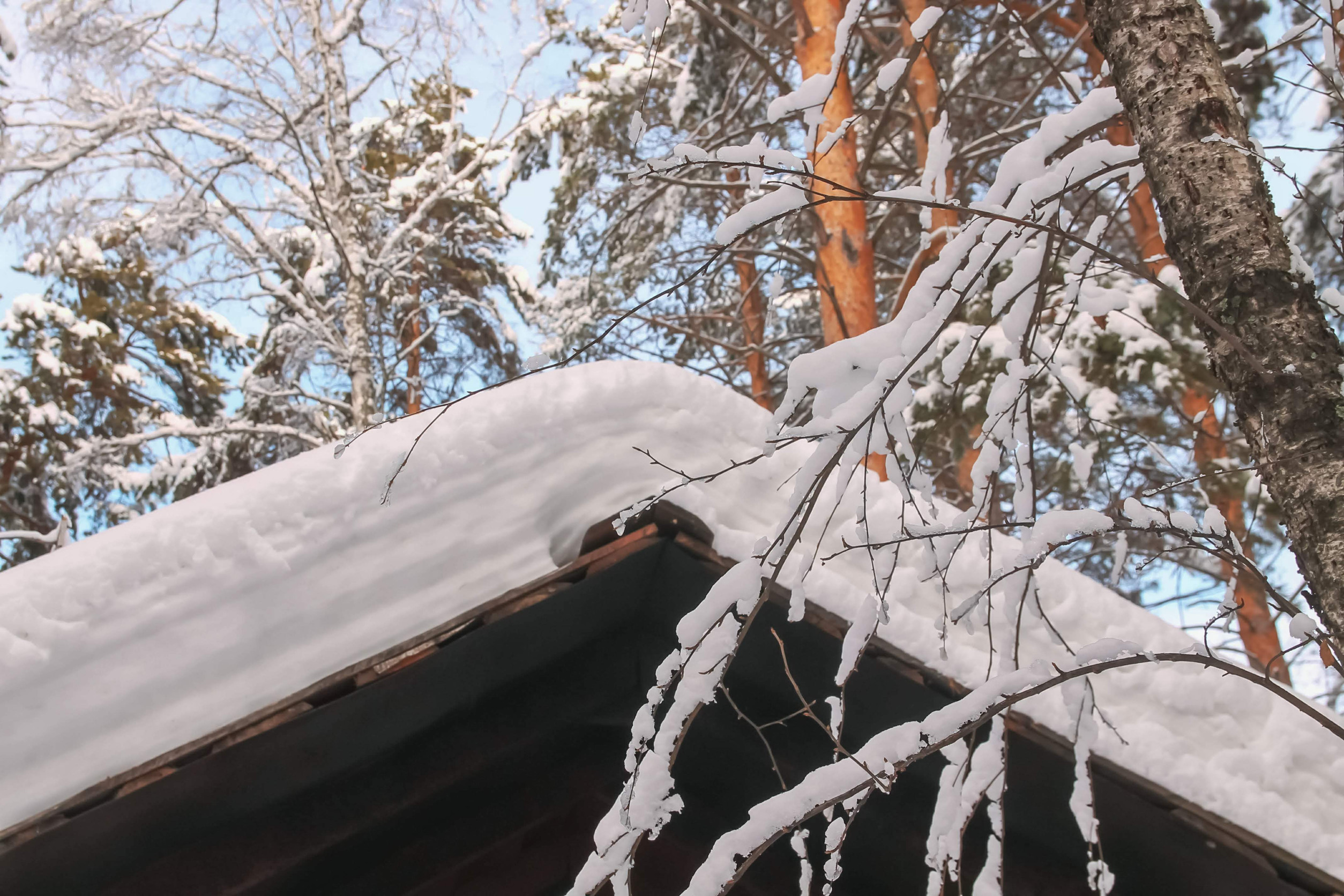
January is often the most demanding month of winter for residential properties. Heavy snowfall, extended freezing temperatures, and repeated freeze-thaw cycles place continuous pressure on homes, outdoor structures, and landscapes. While some winter damage is obvious, much of it develops quietly over time.
Routine property checks during January help homeowners catch issues early, prevent escalation, and maintain peace of mind—especially for larger properties, seasonal homes, or cabins that may not be occupied regularly.
Snow accumulation doesn’t just affect driveways and walkways. Over time, heavy snow adds weight to roofs, decks, stairs, railings, and outdoor structures. Wet snow, which is common during temperature fluctuations, can be especially heavy and stressful on materials.
January property checks allow homeowners to:
Addressing snow weight early reduces the risk of long-term structural damage that may not become visible until spring.
Freeze-thaw cycles in January often lead to ice buildup in high-traffic areas. Ice can form on walkways, steps, and driveways—even after snow appears to be cleared.
Regular property checks help identify:
Staying ahead of ice hazards improves safety for residents, visitors, and service providers during winter.
Roofs and exterior elements experience constant exposure to winter conditions. Snow drifting, ice formation, and wind can affect shingles, flashing, vents, and gutters.
January inspections help spot:
Identifying these concerns early reduces the likelihood of moisture intrusion and interior damage later in the season.
Even while dormant, lawns and landscapes benefit from winter awareness. Snow placement, compaction, and debris accumulation influence spring recovery.
Property checks during winter allow homeowners to:
Addressing these issues early helps protect soil structure and plant health once snow melts.
Cabins and seasonal homes are especially vulnerable during January. Limited occupancy means small problems can go unnoticed for weeks or months.
Regular winter property checks help ensure:
For seasonal properties, consistent oversight provides reassurance that the home remains secure throughout winter.
Many winter-related problems develop gradually. Snow left in place too long compacts, ice expands into cracks, and moisture finds its way into vulnerable areas.
January property checks help prevent:
Early awareness allows for timely solutions rather than reactive fixes.
Property maintenance during winter isn’t just about reacting to storms—it’s about ongoing awareness. Regular checks help maintain safety, protect investments, and support smoother seasonal transitions.
For homeowners, especially those managing larger properties or multiple locations, consistent winter monitoring simplifies maintenance and reduces stress during unpredictable weather.
January property checks also provide valuable insight for spring planning. Observing winter wear helps homeowners prepare for cleanup, repairs, and landscaping needs once temperatures rise.
Proactive winter care sets the foundation for:
If you have questions about winter property checks, snow management, or seasonal maintenance, RJ3 Property Maintenance is a trusted local resource for year-round property support.
RJ3 Property Maintenance
Phone: 218-576-4992
Email: info@rj3pm.com