
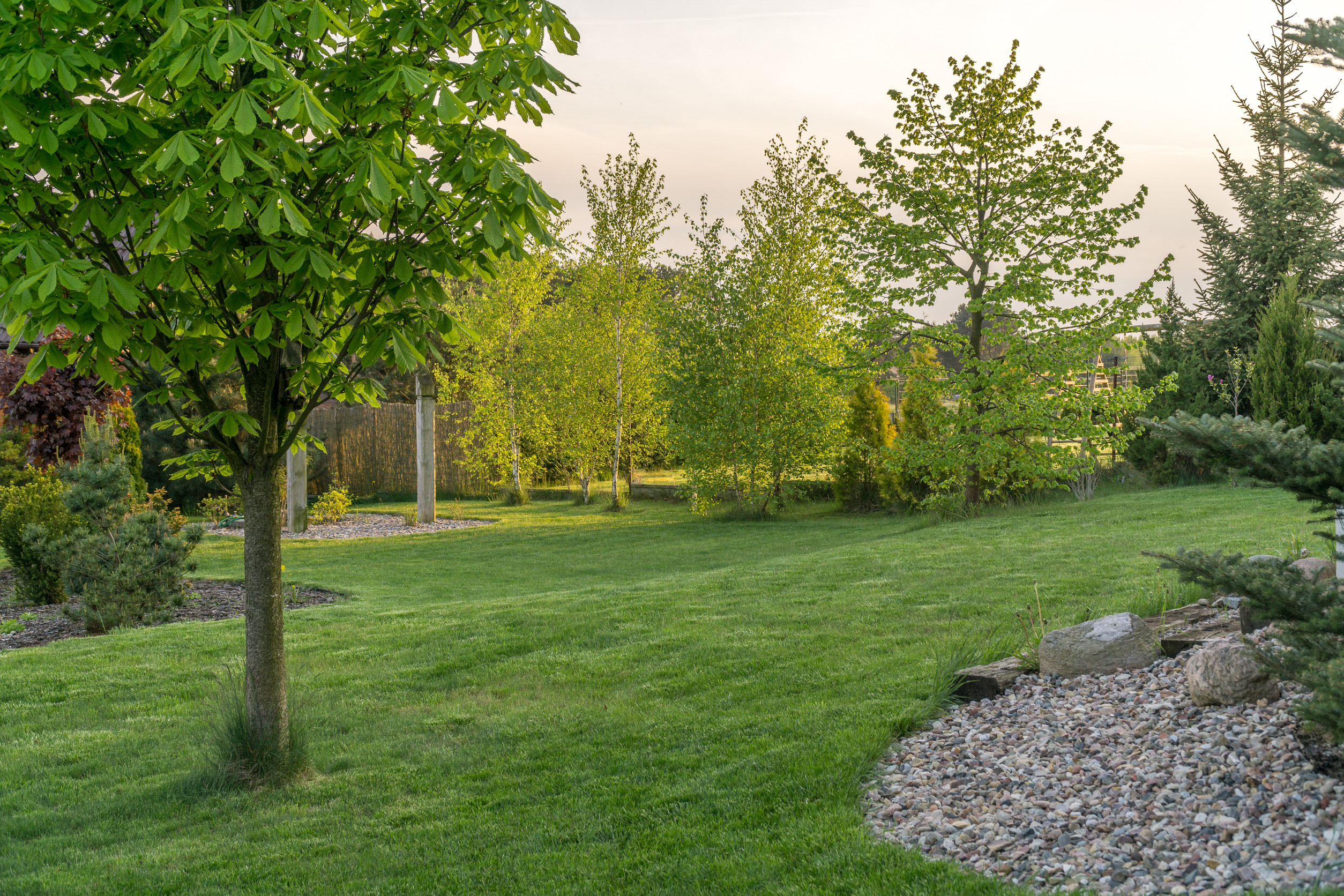
Trees play a foundational role in any landscape. They provide structure, shade, privacy, and seasonal interest, while also influencing soil health, drainage, and surrounding plant growth. Because trees are long-term investments, choosing the right varieties from the start is critical to avoiding maintenance challenges and ensuring lasting success.
Winter is an ideal time to plan tree selection. Without foliage, homeowners can more easily assess landscape layout, spacing needs, and long-term goals. Thoughtful planning now leads to healthier growth and fewer issues once planting season arrives.
Before selecting trees, it’s important to consider the climate conditions they will face year after year. Cold winters, fluctuating spring temperatures, and occasional late frosts place stress on trees that are not well adapted to these conditions.
Trees selected for colder climates tend to:
Selecting climate-appropriate trees supports stronger root development and reduces the risk of long-term decline.
Soil plays a major role in tree health. Different tree species have varying tolerance for moisture levels, soil density, and nutrient availability. Poor soil conditions can limit root growth and reduce a tree’s ability to thrive.
When planning tree selection, homeowners should consider:
Matching trees to existing soil conditions minimizes stress and improves survival rates.
One of the most common tree-selection mistakes is underestimating mature size. Trees that are planted too close to homes, driveways, or utility lines often require aggressive pruning or removal later.
Key considerations include:
Selecting appropriately sized trees ensures proper spacing, reduces maintenance demands, and supports healthier growth patterns.
Understanding the difference between deciduous and evergreen trees helps homeowners balance function and aesthetics.
Deciduous trees offer:
Evergreen trees provide:
Incorporating a mix of both types creates visual balance and functional diversity in the landscape.
Trees must withstand environmental pressures such as wind, heavy snow, and ice accumulation. Weak branch structure or poor form increases the likelihood of breakage during winter storms.
When selecting trees, homeowners should look for:
Well-structured trees are safer, more resilient, and require less corrective pruning over time.
Every tree requires some level of care, but maintenance needs vary widely by species. Some trees demand frequent pruning, while others require minimal upkeep once established.
Considering long-term maintenance helps homeowners:
Selecting lower-maintenance trees supports long-term satisfaction and property value.
Some tree species may grow aggressively or cause issues with root spread, debris, or disease susceptibility. These problems can impact nearby plants, hardscapes, and drainage systems.
Choosing well-behaved, regionally appropriate trees helps:
Researching tree characteristics ahead of time prevents costly corrections later.
Tree placement influences more than appearance. Shade patterns affect lawn growth, garden performance, and even energy efficiency around the home.
Strategic planning allows homeowners to:
Winter planning makes it easier to visualize these relationships without foliage interference.
Selecting trees during winter removes the pressure of last-minute spring decisions. Homeowners have time to research options, review property layout, and plan planting schedules more thoughtfully.
Winter planning supports:
Trees chosen with intention are more likely to thrive and enhance the property for decades.
Tree selection shapes the future of your landscape. When trees are chosen based on climate tolerance, soil compatibility, structure, and long-term goals, they become assets rather than challenges.
Thoughtful planning ensures trees grow stronger, require less intervention, and contribute positively to the overall health and appearance of the property.
If you have questions about tree selection, landscape planning, or preparing your property for spring planting, RJ3 Property Maintenance is a trusted local resource for year-round property and landscaping support.
RJ3 Property Maintenance
Phone: 218-576-4992
Email: info@rj3pm.com