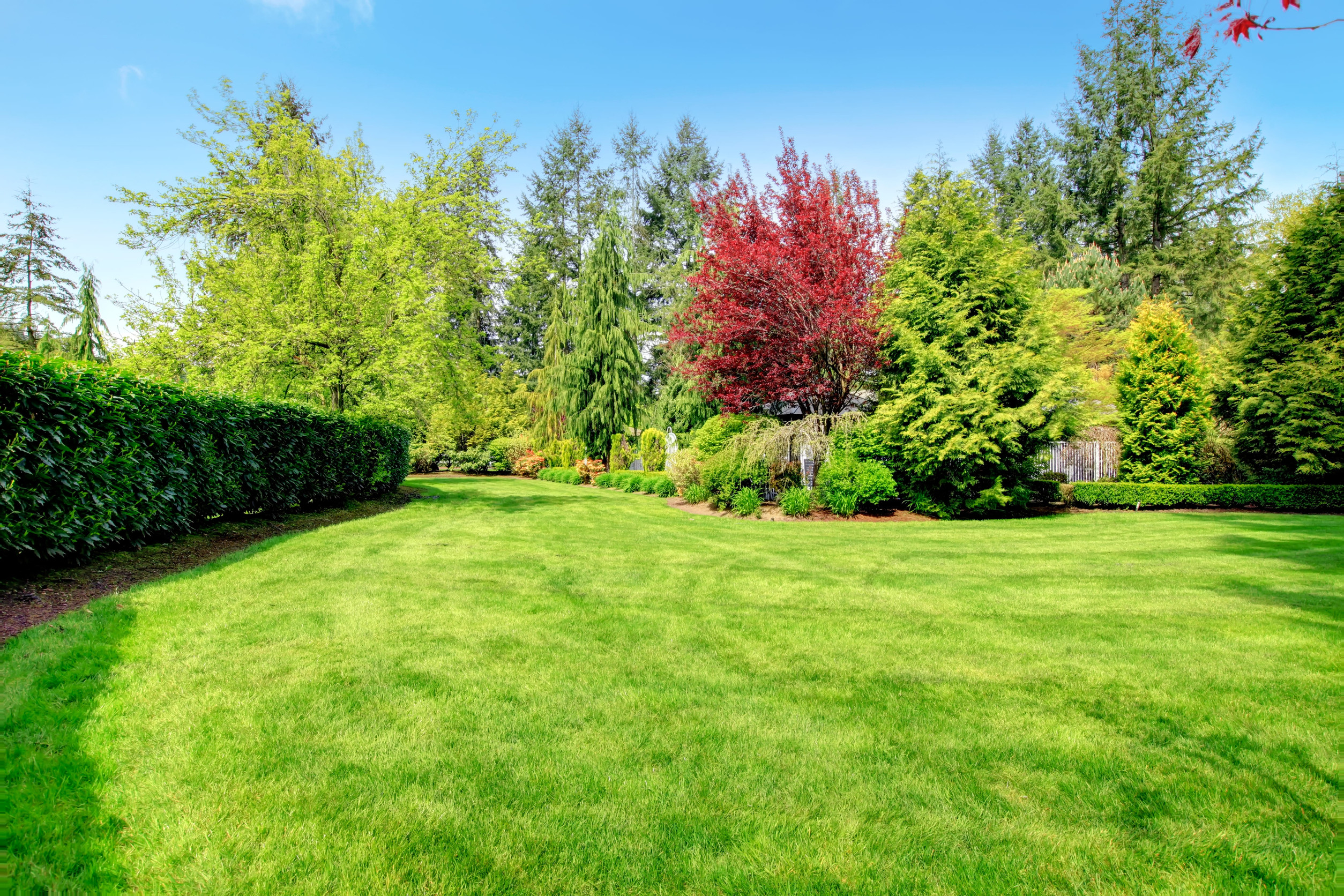


A healthy lawn starts with the right foundation, and grass selection plays a larger role than many homeowners realize. In northern Minnesota, where winters are long and growing seasons are relatively short, not all grass types perform equally well. Choosing grasses adapted to local conditions helps lawns establish more reliably, recover faster from seasonal stress, and maintain consistent appearance throughout the year.
For homeowners in the Brainerd Lakes Area, selecting the right grass is not just about appearance—it directly impacts durability, maintenance requirements, and long-term lawn health. Understanding how climate, soil, and usage affect grass performance allows for smarter lawn care decisions and better results over time.
Grass varieties differ in their tolerance for cold, drought, foot traffic, and disease. In regions with milder climates, homeowners may have more flexibility. In northern Minnesota, however, grass selection must account for harsh winters, late spring thaws, and fluctuating summer conditions.
Choosing the wrong grass type can lead to:
Selecting grasses suited to local conditions helps reduce these challenges and creates a lawn that performs consistently across seasons.
The Brainerd Lakes Area experiences cold winters, moderate summers, and periodic dry spells. Lawns must withstand freezing temperatures, snow cover, spring melt, and summer heat—all within a relatively short growing window.
Grass types that perform best in this region typically:
These characteristics are especially important for residential lawns that experience regular use.
Cool-season grasses are the most reliable choice for northern Minnesota lawns. These grasses grow actively during cooler temperatures in spring and fall and can handle colder winters more effectively than warm-season varieties.
Cool-season grasses generally:
The most common and effective cool-season grasses for the region include Kentucky bluegrass, fine fescues, and perennial ryegrass.
Kentucky bluegrass is widely used in northern lawns due to its dense growth, rich color, and ability to recover from damage. It spreads through underground rhizomes, allowing it to fill in thin areas over time.
Key benefits include:
However, Kentucky bluegrass often requires:
It is well-suited for homeowners seeking a traditional, lush lawn with moderate maintenance expectations.
Fine fescues are a group of grasses known for their adaptability and low maintenance needs. They perform well in shaded areas and poorer soils, making them ideal for properties with trees or uneven growing conditions.
Advantages of fine fescues include:
Fine fescues are often included in grass seed blends to improve lawn resilience and reduce maintenance demands.
Perennial ryegrass is valued for its quick germination and strong wear tolerance. It is commonly used in seed mixes to establish lawns quickly and improve durability in high-traffic areas.
Benefits include:
While perennial ryegrass does not spread like Kentucky bluegrass, it contributes to lawn density when used in blends.
Rather than relying on a single grass type, many lawns perform better with a blend of compatible grasses. Grass blends combine strengths from multiple varieties, improving resilience and adaptability.
Benefits of grass blends include:
Blended lawns are often more forgiving and easier to maintain over time.
Soil quality plays a critical role in how grass performs. Northern soils can vary widely in composition, drainage, and nutrient availability. Some grass types tolerate compacted or sandy soils better than others.
Matching grass types to soil conditions helps:
Understanding soil characteristics is an important step when planning new lawns or overseeding existing ones.
Grass performance is closely tied to sunlight availability. Lawns with mixed sun and shade benefit from grass types that tolerate variable light conditions.
Planning grass selection with sun exposure in mind helps:
This consideration is especially important for properties with mature trees or varied terrain.
Winter is an ideal time to plan lawn improvements. Without the pressure of immediate planting, homeowners can evaluate lawn performance, identify problem areas, and select grass types suited to their property.
Planning ahead allows for:
Early preparation supports stronger results once the growing season begins.
Selecting the right grass type is a foundational decision that affects mowing, watering, fertilization, and overall maintenance. Lawns built on appropriate grass varieties are more resilient and require fewer corrective measures.
When grass selection aligns with local conditions and property needs, lawns remain healthier, more attractive, and easier to manage year after year.
If you have questions about lawn care, grass selection, or preparing your property for the growing season, RJ3 Property Maintenance is a trusted local resource for year-round lawn and property support.
RJ3 Property Maintenance
Phone: 218-576-4992
Email: info@rj3pm.com