
A thriving yard starts below the surface. While grass, plants, and landscaping features are what homeowners see, soil health determines how well everything grows, recovers, and performs over time. Soil provides nutrients, supports root systems, manages moisture, and helps protect plants from stress.
In regions with long winters and short growing seasons, soil health becomes even more important. Seasonal freeze-thaw cycles, snow cover, and foot traffic all affect soil structure. Without proper attention, soil can become compacted, depleted, or poorly drained—leading to thin lawns, weak plants, and ongoing maintenance challenges.
Building healthy soil creates a stronger foundation for lawns and landscapes, supporting consistent growth and long-term durability.
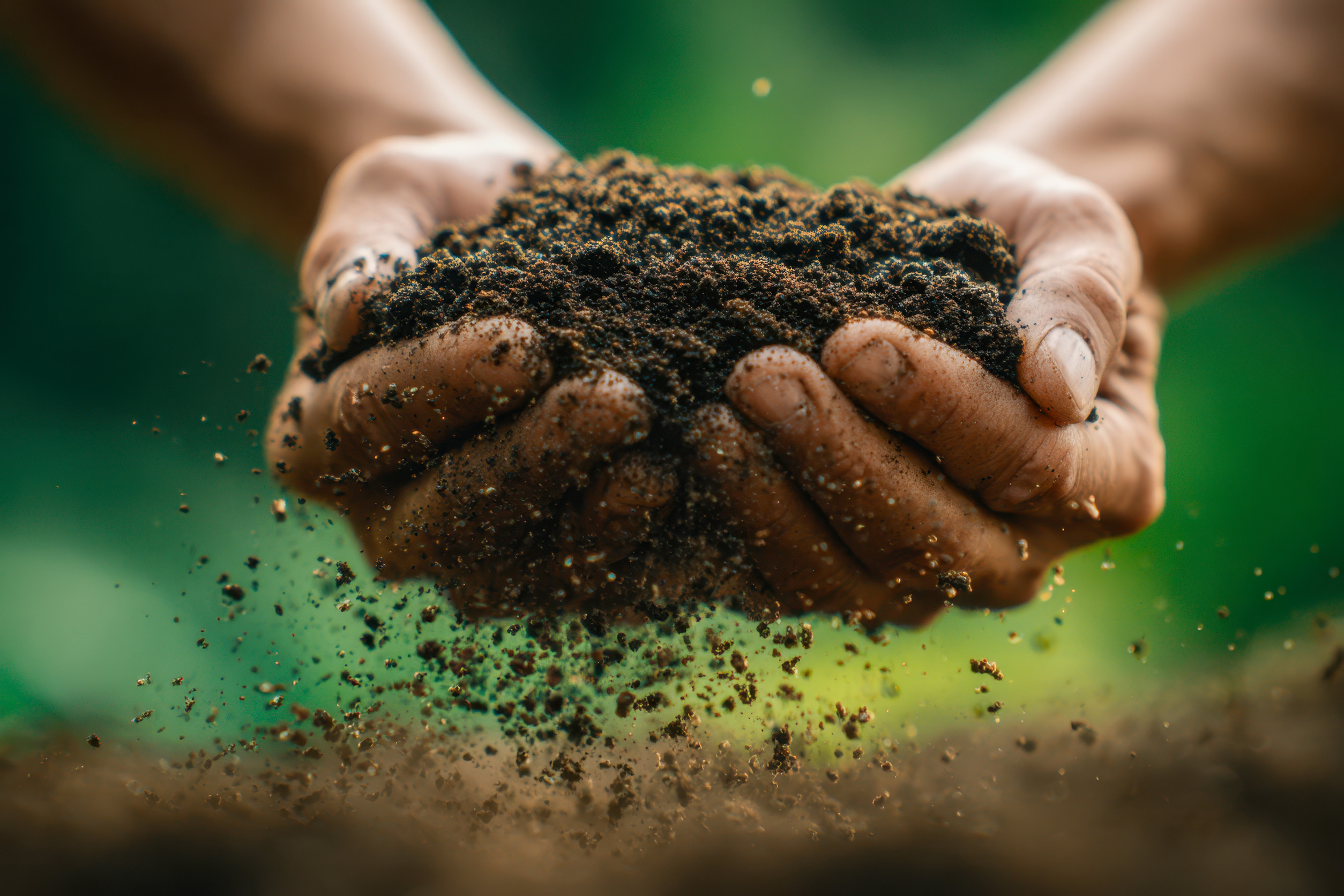
Soil is made up of minerals, organic matter, air, and water. The balance of these elements determines how effectively soil supports plant life. Healthy soil allows roots to expand, water to drain properly, and nutrients to remain available.
Poor soil structure often results in:
Improving soil structure helps lawns and plants access what they need to grow stronger and recover more easily from seasonal stress.
Organic matter is one of the most important components of healthy soil. It improves soil structure, increases nutrient availability, and supports beneficial microorganisms.
Benefits of organic matter include:
Organic matter also feeds soil microbes, which play a critical role in breaking down nutrients and making them accessible to plants.
Soil compaction is a common issue in residential yards, especially in colder climates. Snow piles, foot traffic, equipment use, and natural settling all contribute to compacted soil.
Compacted soil:
Lawns growing in compacted soil often appear thin, stressed, or slow to recover after winter. Addressing compaction is a key step toward healthier turf.
Healthy soil manages water efficiently—absorbing what plants need while allowing excess moisture to drain away. Poor drainage can lead to waterlogged soil, weakened roots, and increased disease risk.
Winter snowmelt and spring rains often highlight drainage problems. Areas where water pools or drains slowly may indicate soil imbalance or compaction.
Improving soil drainage helps:
Balanced moisture levels are essential for long-term yard health.
Soil nutrients fuel plant growth, but balance matters more than quantity. Excess nutrients can harm soil structure, while deficiencies limit growth and color.
Healthy soil supports:
Rather than focusing on short-term fixes, building nutrient-rich soil supports sustained lawn performance over time.
Soil pH affects how easily plants absorb nutrients. When pH is too high or too low, nutrients may be present but unavailable to plants.
Maintaining balanced pH helps:
Understanding soil pH allows homeowners to make more informed decisions about lawn care and soil improvement strategies.
Winter is an ideal time to plan soil improvements. Without active growth, homeowners can evaluate problem areas, observe drainage patterns, and plan corrective steps for spring.
Planning ahead allows for:
January planning helps ensure soil improvement efforts are strategic rather than reactive.
Lawns rooted in healthy soil require fewer inputs and recover faster from stress. Improved soil structure and nutrient balance reduce the need for frequent repairs and intensive treatments.
Healthy soil supports:
This foundation leads to a yard that is easier to maintain and more enjoyable year after year.
Soil health affects more than grass. Trees, shrubs, and perennials also rely on well-structured, nutrient-rich soil for stability and growth.
Healthy soil helps:
Landscapes built on healthy soil are more resilient and visually appealing over time.
Improving soil health is not a one-time task—it’s an ongoing investment. Thoughtful soil care supports every aspect of yard performance, from spring green-up to winter recovery.
When soil is prioritized, lawns and landscapes respond with stronger growth, improved appearance, and fewer recurring issues.
If you have questions about improving soil health, lawn care planning, or preparing your yard for the growing season, RJ3 Property Maintenance is a trusted local resource for year-round lawn and property support.
RJ3 Property Maintenance
Phone: 218-576-4992
Email: info@rj3pm.com