
Spring in Minnesota marks the transition from long winters to a season of growth and renewal. In areas like Brainerd, Baxter, and the surrounding Lakes region, the arrival of warmer temperatures signals the beginning of planting season for homeowners looking to refresh their landscapes.
Spring planting is one of the most important steps in maintaining a healthy and visually appealing property. Whether you’re planting flowers, shrubs, or expanding your garden beds, proper planning and preparation can make a significant difference in how well your landscape performs throughout the year.
Because Minnesota’s climate presents unique challenges—such as late frosts, variable soil conditions, and fluctuating temperatures—spring planting requires a thoughtful approach. Understanding when to plant, how to prepare your soil, and which plants thrive in northern environments helps ensure long-term success.
This guide outlines essential spring planting tips designed to support healthy lawns, vibrant gardens, and well-maintained landscapes across Minnesota.
Timing is critical when it comes to spring planting in Minnesota. While the first signs of spring may appear early, the risk of frost often extends well into the season.
Planting too early can expose young plants to freezing temperatures, which may damage or kill them. In the Brainerd Lakes area, the last frost date typically falls between mid-May and early June, depending on yearly conditions.
Understanding local frost patterns helps determine when it’s safe to begin planting different types of vegetation.
In addition to air temperature, soil temperature plays an important role in plant development. Cold, saturated soil can hinder root growth and lead to poor plant health.
Before planting, ensure that:
These conditions create a more stable environment for seeds and plants to establish themselves.
Proper preparation lays the foundation for a successful planting season. After winter, landscapes often require cleanup and soil conditioning before new plants can thrive.
Removing debris such as leaves, branches, and dead plant material allows sunlight and air to reach the soil. This step also helps reduce the risk of pests and disease.
Seasonal cleanup is often included in comprehensive property maintenance services that prepare landscapes for new growth.
Healthy soil is essential for strong plant development. In many parts of Minnesota, soil may be compacted or lacking in nutrients after winter.
Improving soil quality can involve:
These steps help create a nutrient-rich environment that supports plant growth throughout the season.
Applying mulch around planting areas helps retain moisture, regulate soil temperature, and suppress weeds. Mulch also enhances the appearance of garden beds, creating a clean and organized landscape.
Mulch bed installation is commonly part of professional landscaping services that improve both function and aesthetics.
Selecting plants suited to Minnesota’s climate is essential for long-term success. Hardy plants that can tolerate cooler temperatures and varying conditions will perform best.
Some plants can be planted earlier in spring, as they tolerate cooler temperatures and light frost.
Examples include:
These plants establish quickly and can thrive in early spring conditions.
Other plants require warmer soil and should be planted after the risk of frost has passed.
Examples include:
Waiting until temperatures stabilize ensures these plants have the best chance to grow and produce.
Perennials and shrubs are a valuable addition to spring planting plans because they return year after year.
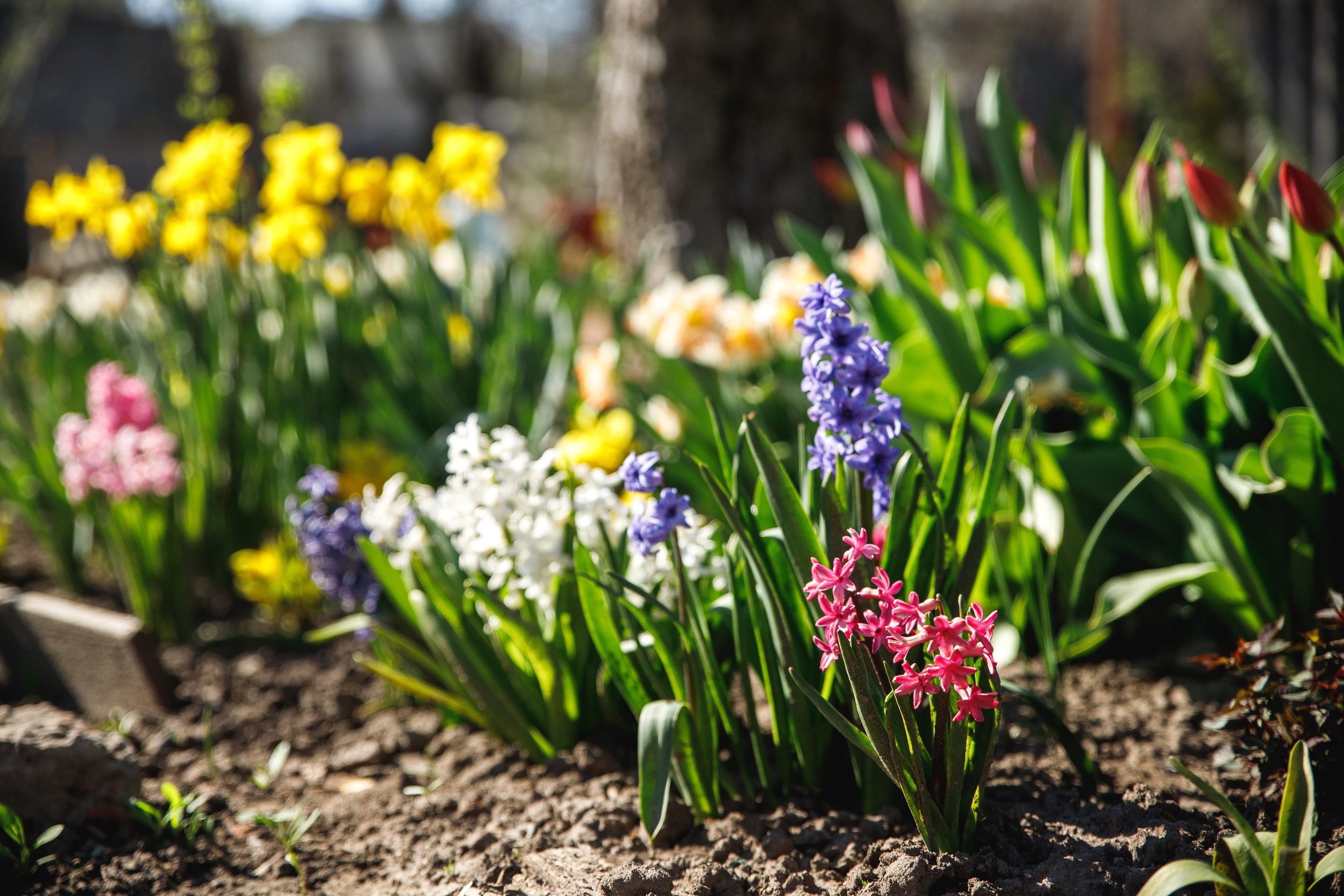
Popular options for Minnesota landscapes include:
These plants provide structure and consistency within your landscape design.
Local horticulture resources can provide additional guidance on plant selection and care techniques suited to Minnesota’s climate.
A well-planned planting layout enhances both the appearance and functionality of your landscape.
Plants with similar sunlight and water requirements should be grouped together. This approach simplifies maintenance and ensures each plant receives appropriate care.
Arranging plants by height, color, and texture creates a balanced and visually appealing design.
This layering technique helps maintain visibility and depth within planting areas.
Spring planting should complement existing features such as lawns, walkways, patios, and hardscaping elements.
Professional landscaping services often focus on creating cohesive designs that blend natural elements with structural features for a polished result.
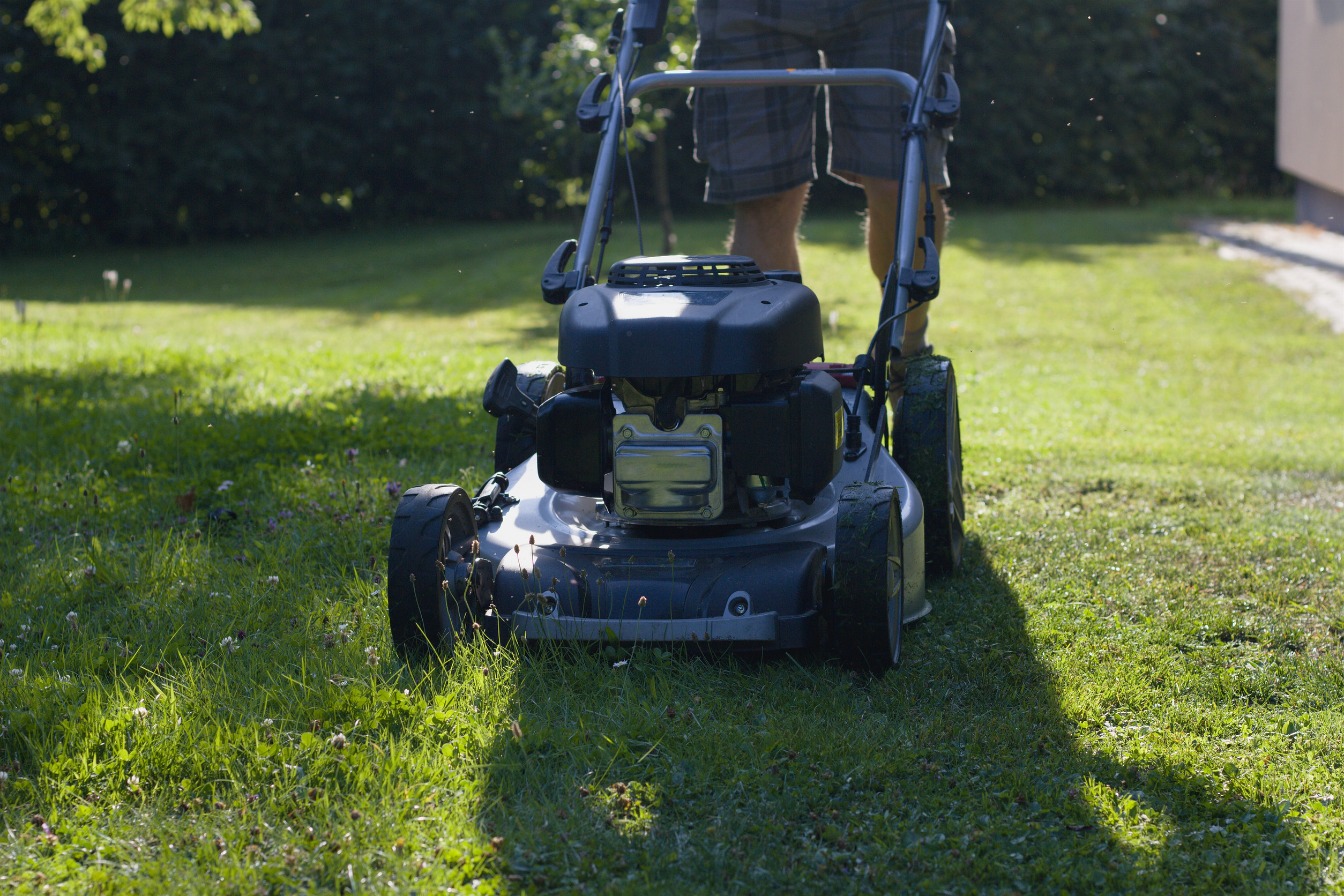
Spring planting is closely tied to overall lawn care. A healthy lawn provides the foundation for a well-maintained landscape.
Early spring is an ideal time to repair damaged lawns through overseeding and aeration. These practices improve soil structure and promote new grass growth.
Applying fertilizer supports strong root development and encourages healthy turf.
Managing weeds early in the season helps prevent them from competing with new plants for nutrients and sunlight.
Consistent lawn care contributes to a unified landscape where planting areas and turf work together to enhance the overall property.
Proper watering is essential during the early stages of plant growth.
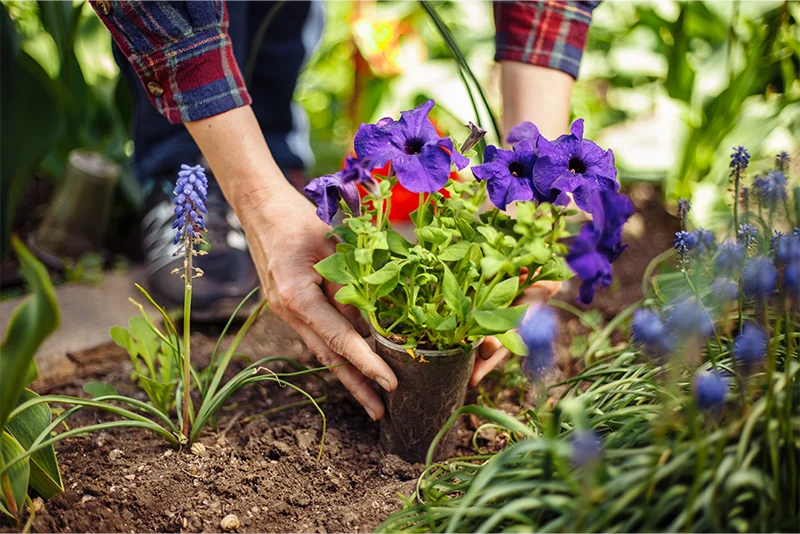
Newly planted flowers, shrubs, and garden plants require consistent moisture to establish roots.
While watering is important, excessive moisture can lead to root rot and other issues. Monitoring soil conditions helps maintain balance.
Watering in the early morning or evening reduces evaporation and allows plants to absorb moisture more effectively.
Spring planting in Minnesota comes with its own set of challenges. Being prepared helps homeowners address these issues before they impact plant health.
Unexpected frost can damage tender plants. Covering plants or delaying planting can help protect them.
Heavy snow and moisture can compact soil, making it difficult for roots to grow. Aeration and soil conditioning help alleviate this issue.
As temperatures rise, pests and wildlife become more active. Protecting plants with barriers or natural deterrents can help reduce damage.
Spring planting is not just about immediate results—it sets the stage for the entire growing season.
Healthy planting practices contribute to:
By investing time in proper planting techniques, homeowners can enjoy landscapes that remain vibrant and functional throughout the year.
For many homeowners, managing all aspects of spring planting can be time-consuming. Professional property maintenance and landscaping services can help ensure each step is handled effectively.
Services may include:
Working with experienced professionals ensures planting projects are tailored to Minnesota’s climate and specific property needs.
The Brainerd Lakes region offers a unique environment for landscaping, with its mix of wooded areas, lakeside properties, and varied terrain.
Spring planting in this region often focuses on:
By aligning planting strategies with local conditions, homeowners can create landscapes that are both beautiful and sustainable.
RJ3 Property Maintenance
11189 Sleepy Hollow Drive
Brainerd, MN 56401
Phone: (218) 576-4992
Email: info@rj3pm.com
RJ3 Property Maintenance provides lawn care, landscaping, seasonal cleanup, snow removal, and property maintenance services throughout the Brainerd Lakes area, including Brainerd, Baxter, Pillager, Nisswa, Lake Shore, Merrifield, Crosslake, Garrison, Deerwood, Crosby, and Little Falls.