
After a long Minnesota winter, properties often emerge with visible wear — debris accumulation, compacted soil, damaged plantings, and hardscape issues hidden under snow for months. Spring property cleanup is the process of resetting outdoor spaces, identifying winter-related concerns, and preparing landscapes and structures for consistent seasonal use.
This early-season window offers an opportunity to address issues proactively, rather than reacting to problems later when they are more costly or disruptive. From residential homes to cabins and seasonal properties, thoughtful cleanup supports safety, aesthetics, and long-term maintenance goals.
Winter conditions in Minnesota are particularly demanding on properties. Snow load, freeze-thaw cycles, ice, wind, and dormant vegetation all contribute to changes that may not be immediately visible.
Spring cleanup helps:
Without cleanup, leftover debris can restrict airflow, block sunlight, and create conditions that encourage disease and weeds.
One of the most noticeable tasks in spring property cleanup is removing accumulated organic debris.
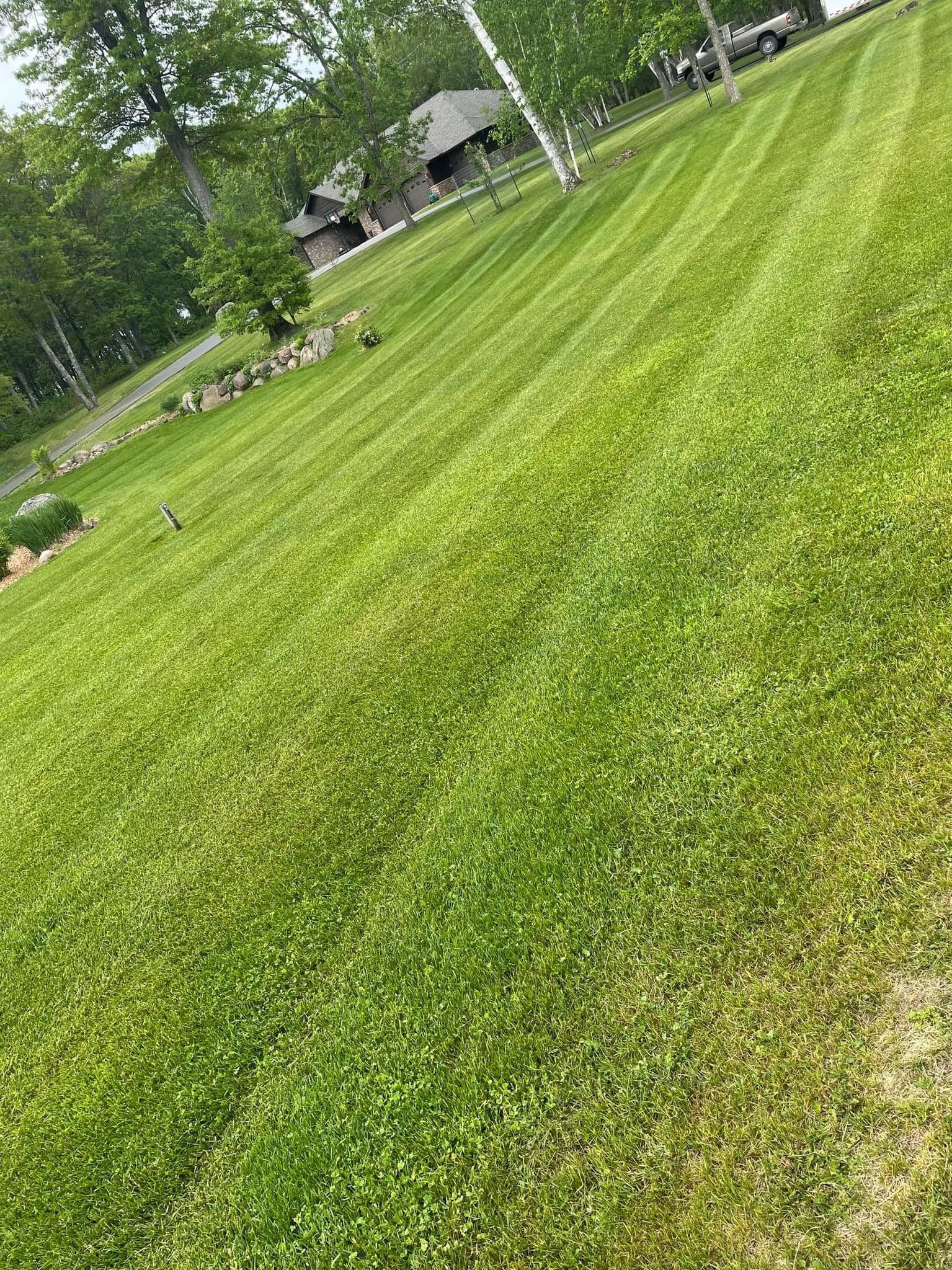
Leaves, sticks, pine needles, and leftover grass clippings can form dense layers over turf. These layers trap moisture and reduce oxygen flow, increasing the risk of snow mold and thinning grass.
Light raking or debris removal allows turf to:
Beds often collect fallen branches, dead plant material, and windblown debris. Clearing these areas helps expose emerging perennials and prevents decay that can attract insects or disease.
Spring is the best time to identify damage before the growing season intensifies.
Common winter-related lawn issues include:
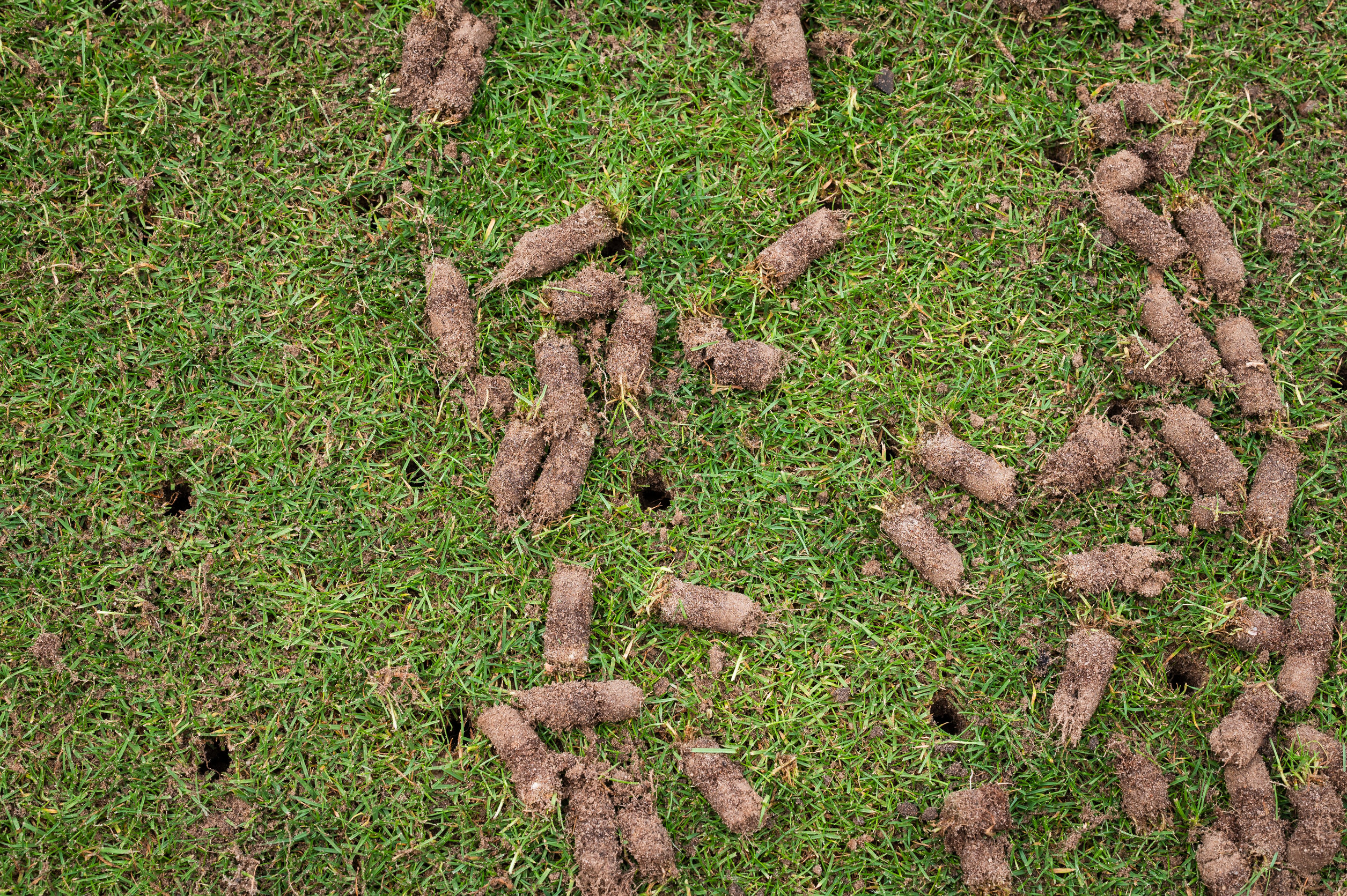
Early identification allows for timely repair strategies such as overseeding or aeration.
Inspect woody plants for:
Selective pruning improves plant health and reduces the risk of falling branches later in the season.
Freeze-thaw cycles can shift or damage:
Addressing minor movement early helps prevent larger structural problems.
As snow melts and spring precipitation increases, drainage patterns become clear. Standing water, erosion, or pooling near foundations should be addressed promptly.
Key areas to inspect include:
Improving drainage early protects turf, plants, and structures while reducing soil compaction and water damage.
Once debris is cleared, landscape beds can be refreshed and prepared for the season.
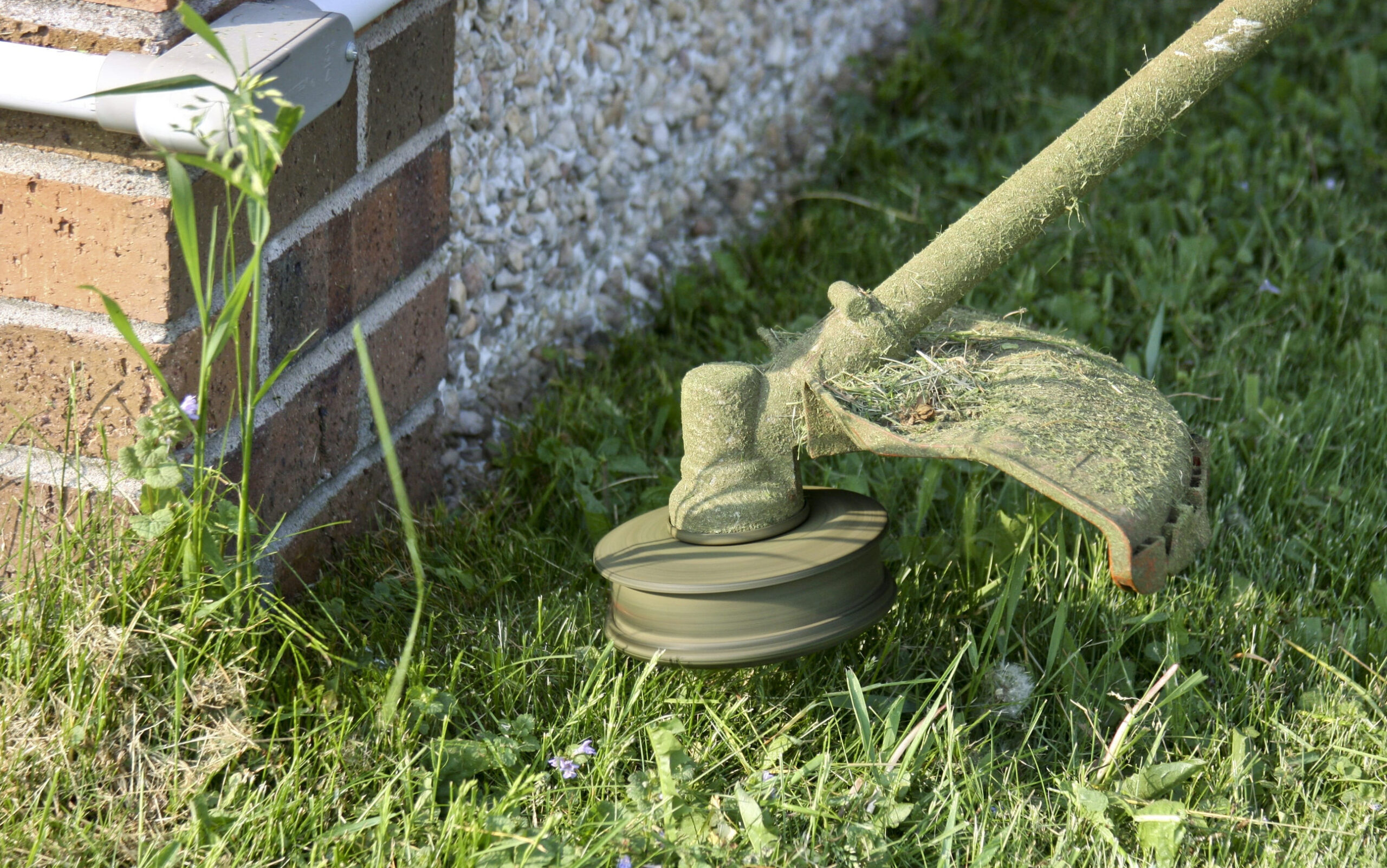
Re-establishing clean bed edges improves visual appeal and prevents grass encroachment. Defined borders also help guide mulch placement and water flow.
Old mulch that has compacted or broken down should be refreshed. Proper mulch depth:
Mulch should be applied carefully to avoid contact with plant stems or tree trunks.
Not all plants require the same approach in spring. Proper pruning timing supports healthy growth without stressing plants.
General considerations:
Healthy pruning improves airflow, reduces disease risk, and encourages balanced growth patterns.
Spring cleanup is also about restoring safe access around the property.
Sand, salt, and debris from winter traction efforts can:
Cleaning these areas improves safety and extends the life of hardscape materials.
Inspect concrete, asphalt, and pavers for:
Early repairs help prevent trip hazards and further deterioration.
Cabins and seasonal homes often sit unattended through winter, making spring cleanup especially important.
Key considerations include:
A thorough cleanup supports safe reopening and reduces the risk of unnoticed damage carrying into peak usage season.
Spring cleanup can be done responsibly by minimizing waste and supporting soil health.
Best practices include:
Thoughtful cleanup balances aesthetics with environmental awareness.
Spring cleanup sets the tone for the entire year. Properties that receive early attention often experience:
Rather than a one-time task, cleanup is the foundation for consistent property care.
RJ3 Property Maintenance provides seasonal property cleanup services tailored to Minnesota conditions. These services support homeowners and cabin owners by addressing winter debris, preparing landscapes, and identifying early maintenance needs.
Common spring services include:
Professional support helps ensure nothing is overlooked during this critical transition period.
For questions about spring property cleanup, seasonal maintenance, or preparing your Minnesota home or cabin for the growing season:
RJ3 Property Maintenance
11189 Sleepy Hollow Drive
Brainerd, MN 56401
Email: info@rj3pm.com
Phone: 218-576-4992