
When lawns begin actively growing after winter, they are especially vulnerable to stress. While fertilization and mowing often get the most attention, early-season lawn damage in Minnesota is frequently caused by pests, disease, soil issues, and moisture imbalance — problems that can quietly escalate if left unaddressed.
Understanding what to look for and how to respond early helps prevent long-term turf decline and reduces the need for aggressive corrective treatments later in the season.
Minnesota’s cool, moist spring conditions create an environment where certain turf issues are more likely to appear.
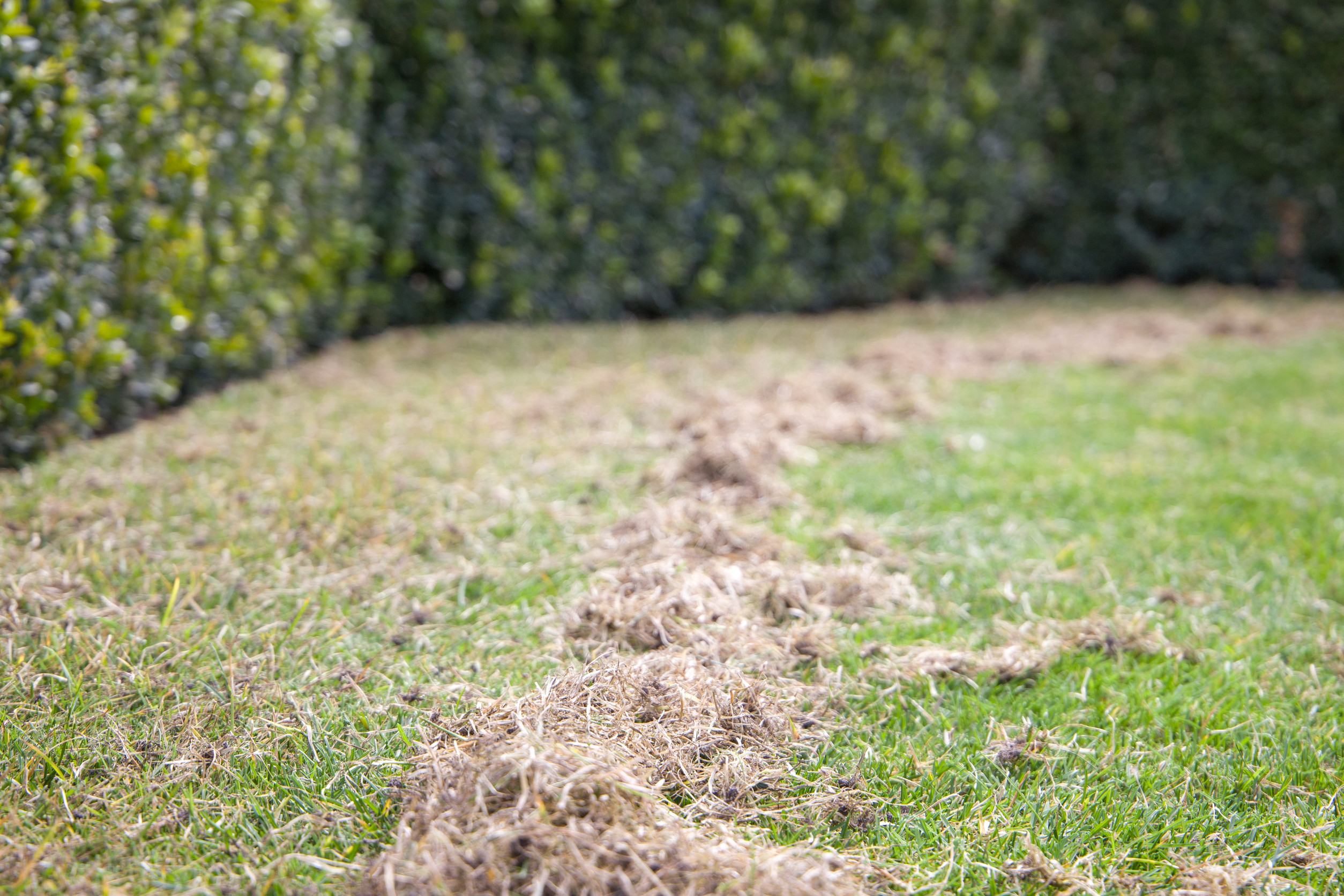
Snow mold often becomes visible as snow recedes, leaving circular patches of matted grass that may appear gray, pink, or straw-colored.
While snow mold rarely kills grass, it can:
Light raking and improved airflow usually help turf recover naturally.
Some lawn insects begin activity as temperatures rise, even if damage isn’t immediately obvious.
White grubs feed on grassroots later in the season, but monitoring early helps determine risk. Signs of grub presence include:
Understanding grub life cycles is critical for effective management.
Chinch bugs and other surface feeders can cause patchy damage as lawns warm. Healthy, dense turf is often the best defense.
Excess moisture combined with cool temperatures can create conditions favorable to turf disease.
Standing water or persistently soggy soil restricts oxygen flow to roots, leading to:
Identifying drainage issues early helps prevent root decline and turf thinning.
Winter foot traffic and snow weight can compact soil, reducing nutrient and water absorption. Compaction is often mistaken for nutrient deficiency when the real issue is limited root access to oxygen.
Soil aeration improves airflow and reduces disease susceptibility.
Early lawn stress doesn’t always appear as large dead patches. Watch for:
Addressing these signs early prevents localized issues from spreading across the lawn.
Rather than reacting to visible damage, preventative care helps lawns withstand seasonal stress.
Taller grass blades shade soil, regulate moisture, and reduce disease pressure.
Excess water weakens turf and promotes fungal growth. Deep, infrequent watering supports stronger root systems.
Healthy density limits weed establishment and improves resistance to pests and disease.
Minnesota lawns face unique challenges due to:
These factors make early-season monitoring especially important. Lawns that appear healthy on the surface may still be experiencing underground stress.
Understanding regional conditions allows property owners to make informed, timely decisions rather than relying on generic lawn care schedules.
Some lawn problems require trained assessment, particularly when symptoms overlap or worsen quickly. Professional lawn care providers can:
Early evaluation often reduces the need for more intensive intervention later in the year.
If you have questions about lawn health, early-season lawn issues, or property maintenance for your Minnesota home or cabin, please contact:
RJ3 Property Maintenance
11189 Sleepy Hollow Drive
Brainerd, MN 56401
Email: info@rj3pm.com
Phone: 218-576-4992