
In Minnesota, late spring represents a distinct phase in the landscape calendar. Early cleanup is complete, lawns are actively growing, and soil temperatures have warmed enough to support a wider range of planting and landscape work. At this stage, the focus shifts from recovery to refinement — shaping outdoor spaces so they look intentional, balanced, and prepared for consistent use.
Late-spring landscaping is about making thoughtful decisions that enhance curb appeal while supporting plant health, soil stability, and long-term maintenance efficiency. When handled correctly, this period sets the tone for how a property looks and performs throughout the summer months.
By late May, Minnesota landscapes benefit from:
These conditions allow property owners to evaluate what has returned successfully, what needs reinforcement, and where improvements will have the greatest impact.
Rather than rushing changes earlier in the season, late spring offers clarity — making it easier to design and maintain landscapes that are both attractive and sustainable.
Before adding new elements, it’s important to assess what is already in place.
Late spring reveals:
This evaluation helps avoid unnecessary plant removal while identifying opportunities for improvement.
Landscape beds often lose definition after winter. Edges may blur, mulch may thin, and soil may settle unevenly. Restoring structure improves both appearance and function.
Late May is well-suited for many planting projects in Minnesota, particularly when soil has warmed and moisture levels are stable.
This period supports:
Choosing plants suited to Minnesota’s climate improves survivability and reduces long-term maintenance needs.
Native and regionally adapted plants:
Their performance becomes especially evident as temperatures rise.
Mulch plays a significant role in late-spring landscaping.
Applying mulch after soil has warmed helps maximize its effectiveness while avoiding excess moisture retention earlier in the season.
Mulch should be applied evenly and kept away from direct contact with plant stems or tree trunks to prevent decay.
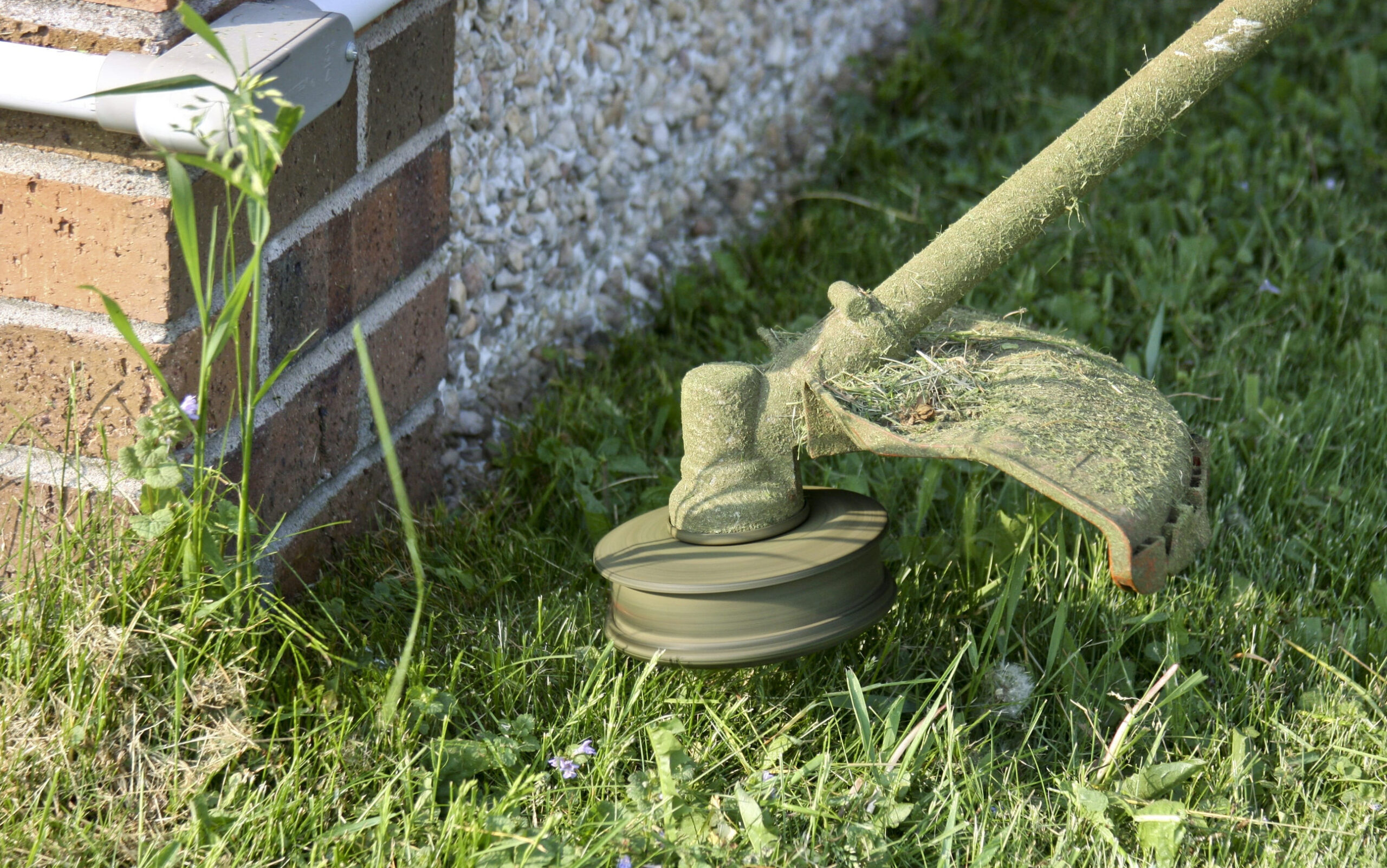
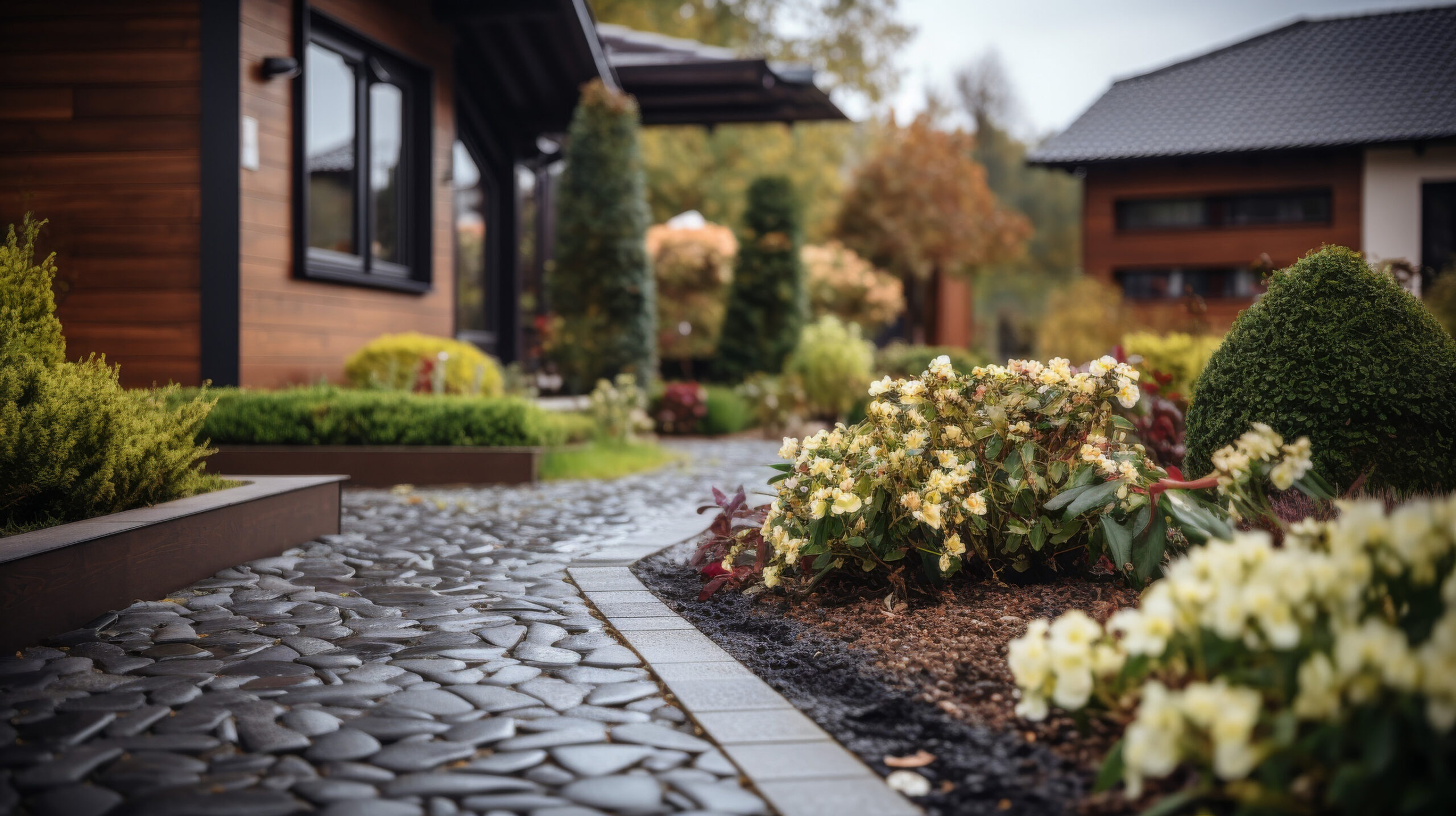
Clean transitions between lawns, beds, walkways, and hardscape elements elevate the overall landscape.
Late spring is an ideal time to:
Clear edges improve visual impact and simplify ongoing maintenance by reducing grass encroachment into beds.
As plants enter active growth, supporting their structure becomes increasingly important.
Some plants benefit from light staking or spacing adjustments before summer growth accelerates. Addressing this early avoids damage later in the season.
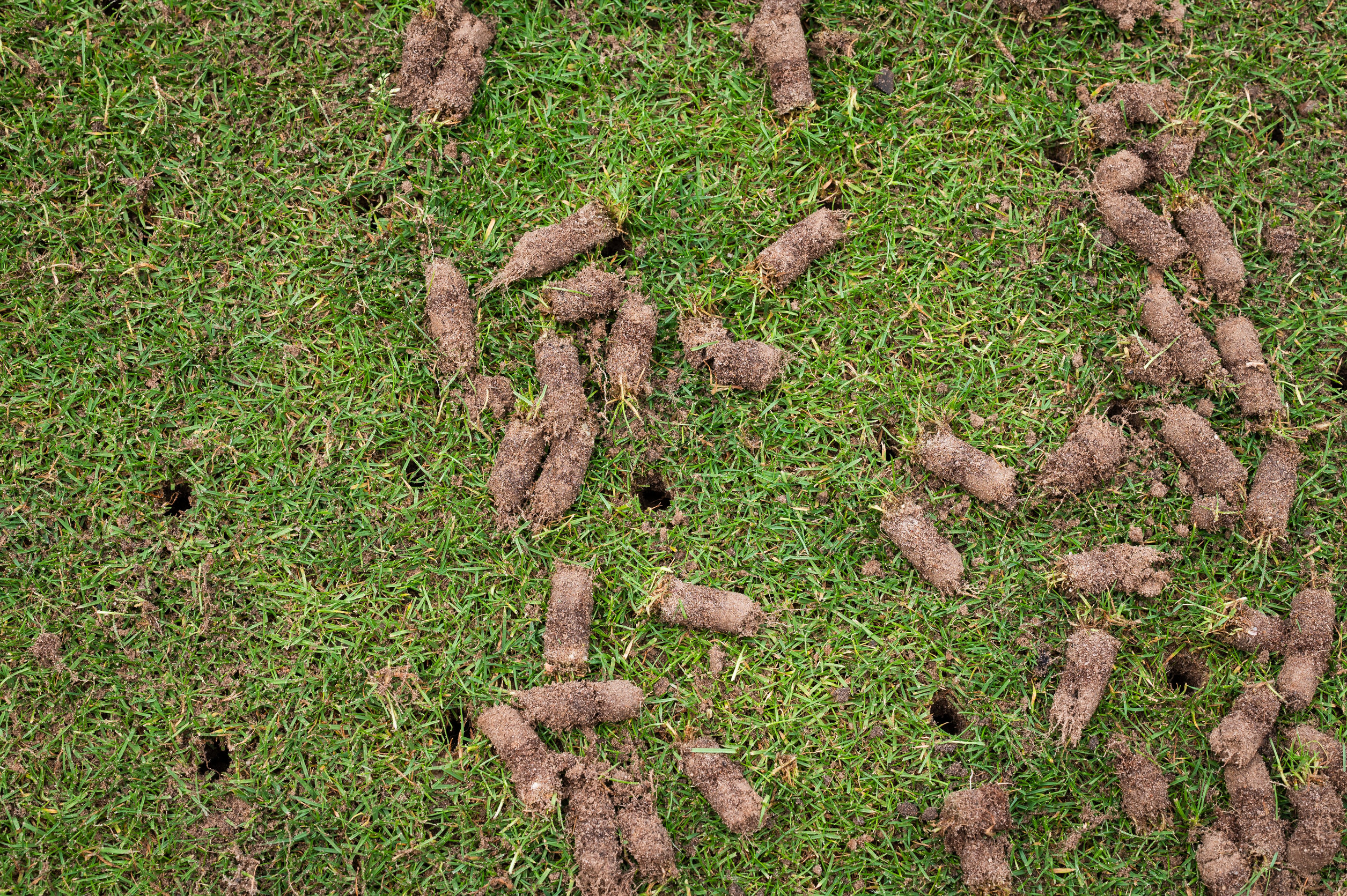
Healthy soil structure supports root growth and water movement. Addressing uneven soil or erosion early prevents compaction and drainage issues later.
Late spring is when outdoor spaces begin to feel cohesive — or disjointed. Evaluating balance helps guide finishing decisions.
Consider:
Balanced landscapes feel intentional rather than overcrowded or unfinished.
Late spring is also when outdoor living spaces come back into regular use.
Tasks often addressed during this period include:
These details improve both safety and enjoyment of the space.
Cabins and seasonal properties benefit greatly from late-spring landscape attention, particularly if early spring access was limited.
Late-spring landscaping helps:
This approach reduces reactive maintenance later in the season.
Late spring is a practical time to incorporate sustainable choices.
Strategies include:
Sustainable landscapes often require less intervention while delivering long-term visual appeal.
Professional landscaping services help property owners translate seasonal timing into results. Late-spring services often include:
Professional insight helps ensure that improvements align with Minnesota conditions and long-term property goals.
If you have questions about landscaping, property appearance, or seasonal outdoor maintenance for your Minnesota home or cabin, please contact:
RJ3 Property Maintenance
11189 Sleepy Hollow Drive
Brainerd, MN 56401
Email: info@rj3pm.com
Phone: 218-576-4992