
Summer is the season when Minnesota lawns are used the most. Backyards become gathering spaces, cabins see increased activity, and properties host everything from casual foot traffic to outdoor equipment and recreation. While lawns are designed to handle use, repeated stress without proper care can gradually weaken turf and soil structure.
Managing lawn traffic is an often-overlooked component of property maintenance. Unlike mowing or watering, wear damage happens slowly and may go unnoticed until thinning, bare areas, or compaction become visible. Understanding how traffic affects turf — and how to reduce its impact — helps maintain a lawn that stays functional, healthy, and visually appealing throughout the season.
Minnesota lawns are primarily made up of cool-season grasses that perform best in moderate temperatures. While these grasses are resilient, they are not immune to repeated stress caused by foot traffic, vehicles, and equipment.
Traffic stress affects lawns by:
Left unmanaged, these effects can lead to thinning turf, increased weed pressure, and reduced recovery ability.
Understanding where lawn stress originates makes it easier to prevent damage.
Frequent walking patterns — such as paths between doors, docks, patios, or driveways — create repeated pressure in the same areas. Over time, these paths become compacted and thin.
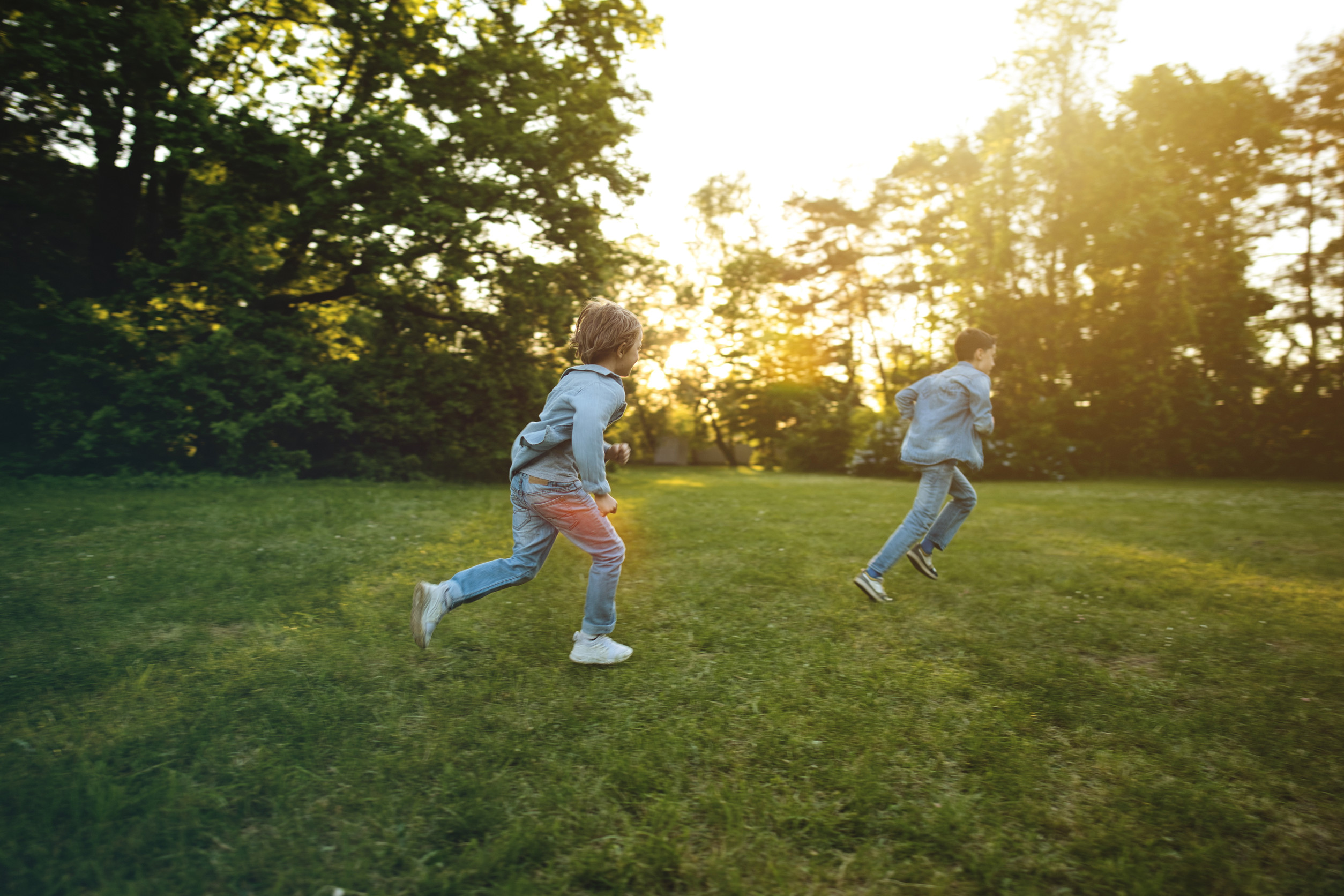
Games, gatherings, pets, and outdoor activities increase wear, especially in open lawn areas used regularly.
Lawn mowers, utility vehicles, trailers, and maintenance equipment exert more concentrated pressure than foot traffic. Turning or stopping repeatedly in the same location intensifies soil compaction.
Cabins and seasonal homes often see bursts of heavy use after periods of minimal activity, which can stress turf that has not gradually adjusted.
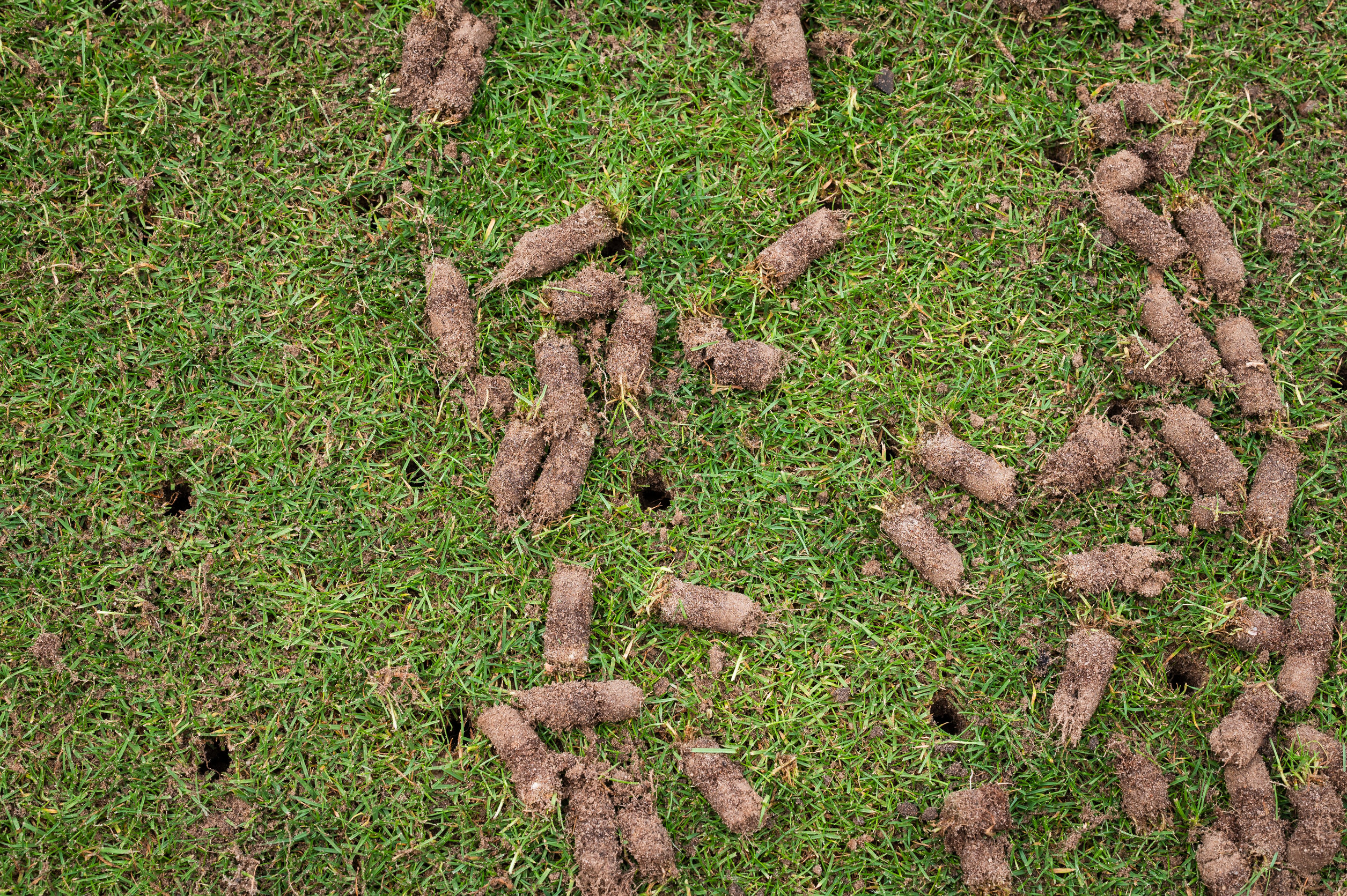
While visible damage appears on the surface, the most significant impact of lawn traffic occurs below ground.
Compacted soil has fewer air pockets, limiting:
Grass growing in compacted soil struggles to establish deep roots, making it more vulnerable to heat and dryness.
Even healthy grass needs space and airflow to recover. Compacted areas recover more slowly and are often the first to thin or fail during stress.
Early identification helps prevent long-term damage. Watch for:
These indicators often appear gradually, making regular observation essential.
One of the most effective ways to protect turf is thoughtful use management.
Encouraging movement across different areas reduces concentrated wear. Temporary stepping stones, designated walkways, or slight layout adjustments can help distribute pressure.
Rotating activity zones allows stressed turf time to recover. Even short rest periods improve resilience.
Areas near entrances, docks, or gathering spaces often benefit from reinforcement through layout design or alternative surfacing.
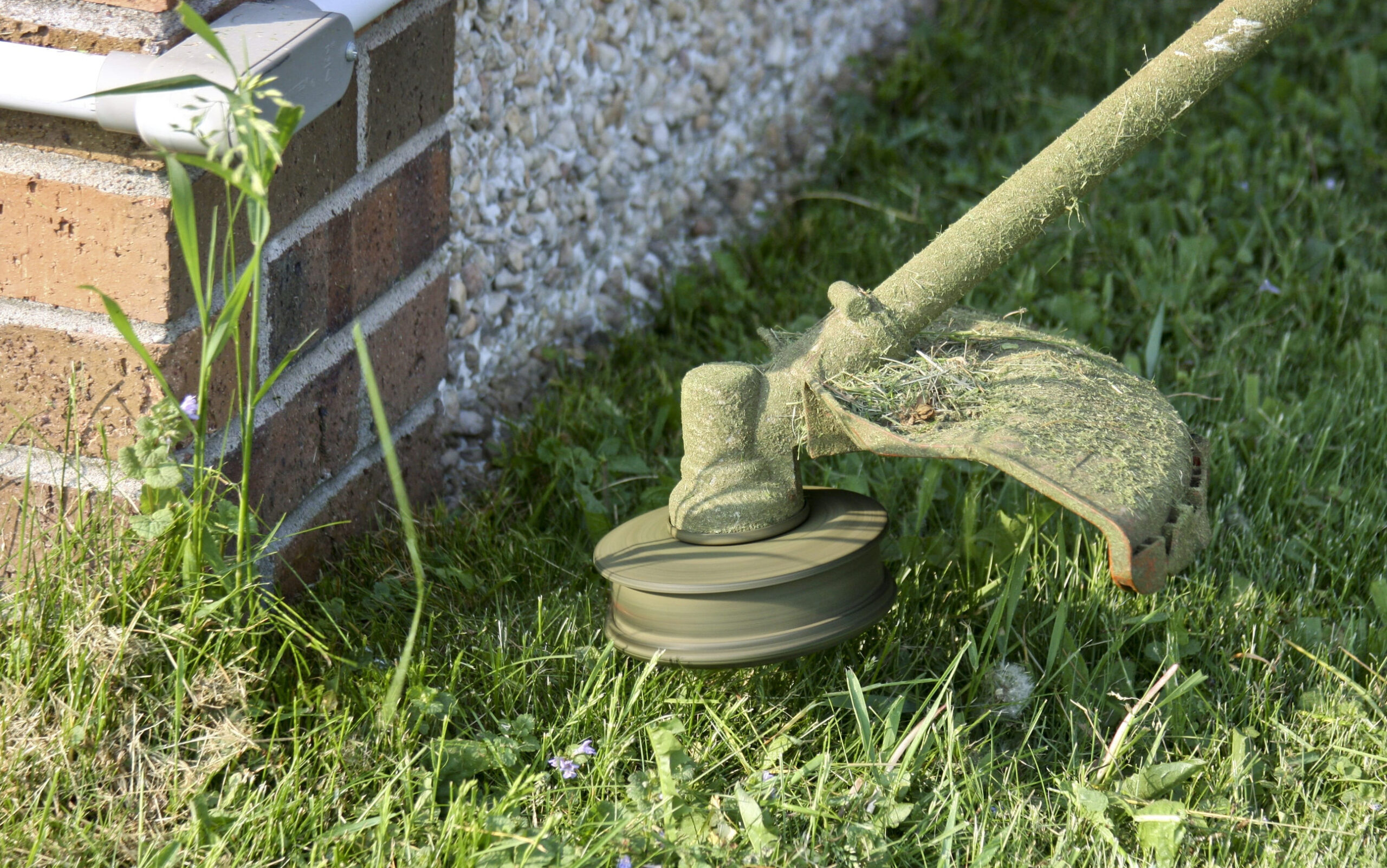
Proper mowing supports turf strength during periods of use.
Slightly taller grass:
Short grass offers less protection and recovers more slowly from wear.
Clean cuts heal faster, allowing grass to maintain density even under stress.
Moisture plays a critical role in turf durability.
Saturated soil compacts more easily under pressure. Lawns should be moist but not soft.
Watering immediately before gatherings or activities increases the risk of compaction and root damage.
Balanced watering supports root strength without weakening soil structure.
Healthy soil improves a lawn’s ability to withstand traffic.
While major aeration is often performed later in the season, recognizing compacted areas early helps guide maintenance planning.
Soils with organic content retain moisture efficiently while remaining structurally stable, reducing compaction risk.
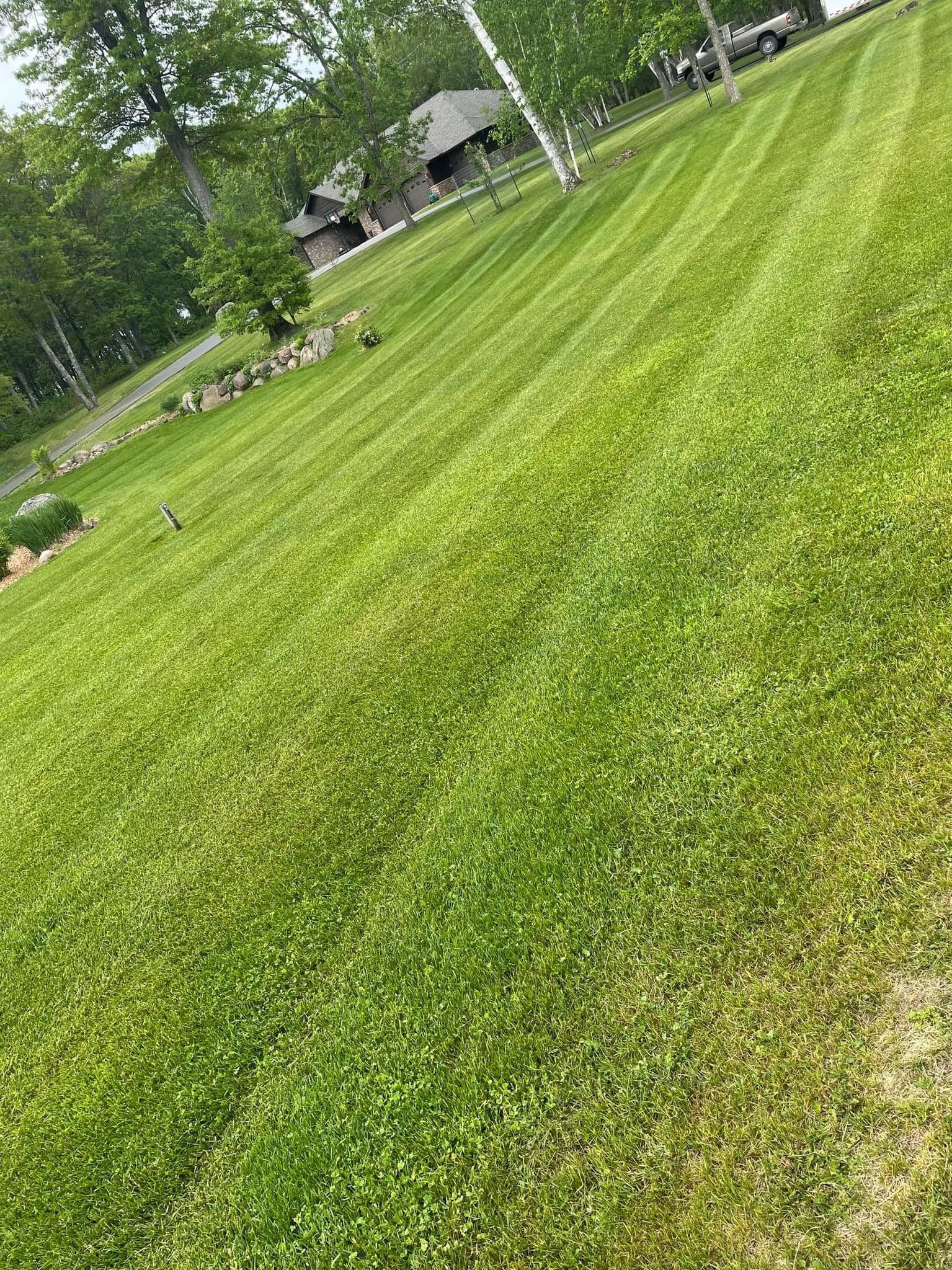
Dense lawns tolerate traffic better than thin turf.
Practices that support density include:
Dense turf distributes pressure across more blades and roots, minimizing damage.
Cabins often experience uneven usage patterns — quiet periods followed by intense activity. Lawns at these properties benefit from:
Proactive planning helps maintain appearance and usability throughout the season.
Traffic management is not about restricting enjoyment — it’s about protecting the lawn so it continues to serve its purpose.
Lawns maintained with wear in mind typically experience:
These benefits reduce the need for repair later in the season.
Professional lawn care providers help evaluate:
This insight allows maintenance plans to reflect actual use rather than assumptions, improving results over time.
If you have questions about maintaining lawn strength, managing high-use areas, or supporting turf health for your Minnesota home or cabin, please contact:
RJ3 Property Maintenance
11189 Sleepy Hollow Drive
Brainerd, MN 56401
Email: info@rj3pm.com
Phone: 218-576-4992