
Summer brings some of the most challenging conditions for lawns in Minnesota. Longer days, rising temperatures, and uneven rainfall patterns can quickly push turf beyond its comfort zone. Even well-maintained lawns may begin to show signs of stress if care routines don’t adapt to seasonal realities.
This stage of the growing season is less about encouraging rapid growth and more about protecting what’s already established. Lawns that receive thoughtful, stress-aware care now are far more likely to maintain their appearance, recover quickly after dry periods, and remain functional for everyday use.
Understanding how heat affects turf — and how to respond — helps homeowners preserve lawn health through the most demanding part of the year.
Most Minnesota lawns consist of cool-season grasses such as Kentucky bluegrass, perennial ryegrass, and fine fescues. These grasses thrive during moderate temperatures but naturally slow growth when heat increases.
During extended warm periods:
Without proper adjustments, lawns may thin, discolor, or enter dormancy earlier than expected.
Heat stress often appears gradually, making early recognition important.
Common indicators include:
Addressing these signs early helps prevent long-term damage and reduces the need for corrective measures later.
Water management becomes the most critical element of lawn care during prolonged warmth.
Rather than frequent light watering, lawns benefit from deeper irrigation that reaches the root zone. This approach encourages roots to grow downward, improving drought tolerance.
Watering early in the morning reduces evaporation and allows grass blades to dry quickly, minimizing disease risk.
Excess water can weaken turf by limiting oxygen availability in the soil and encouraging shallow roots. Balancing moisture is essential.
Roots are the foundation of lawn resilience. Practices that protect root systems help turf withstand heat more effectively.
Slightly taller grass:
Short grass exposes soil, increasing temperature stress and moisture loss.
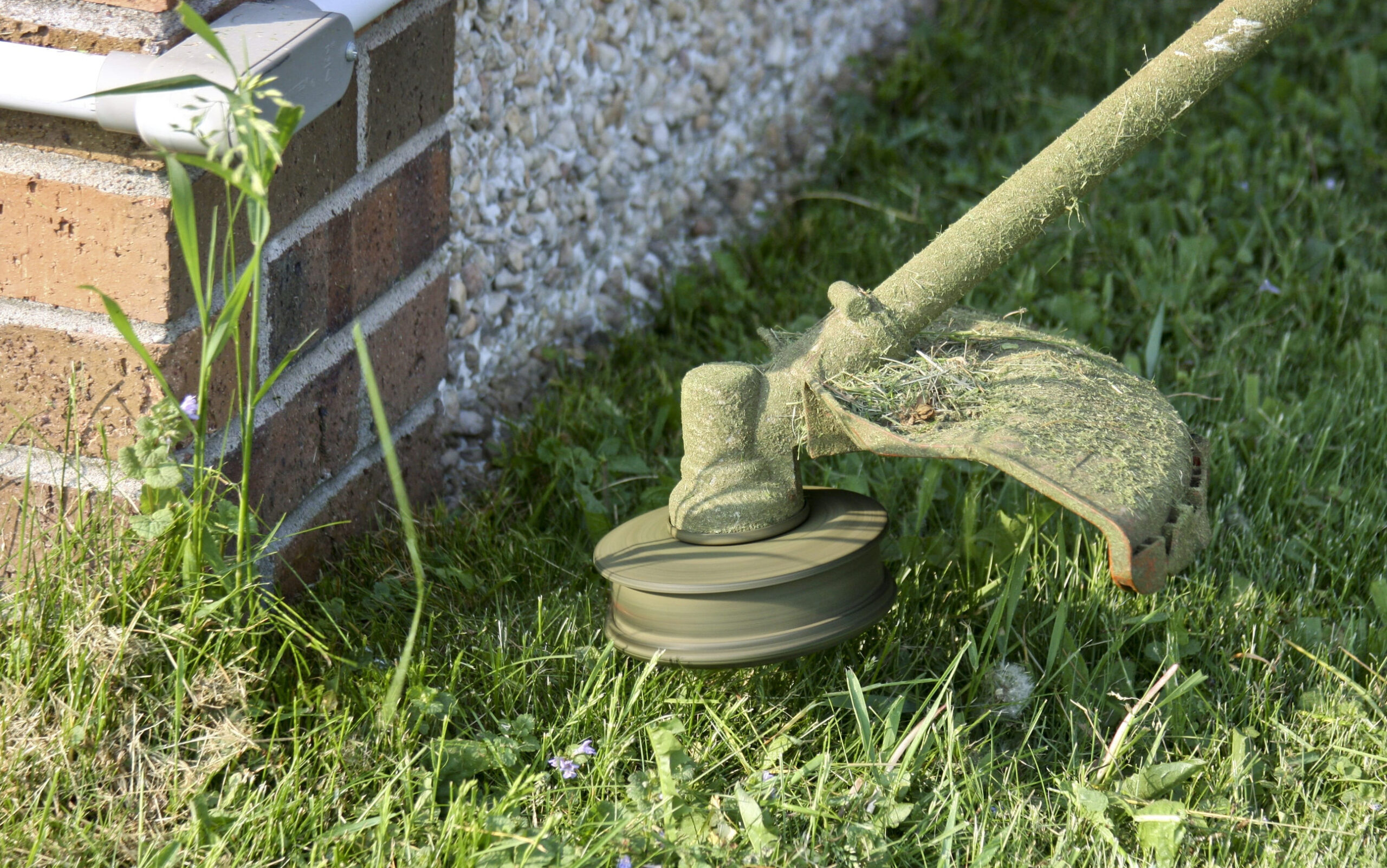
Avoid unnecessary traffic, aggressive trimming, or equipment use during peak heat periods. Allowing lawns to rest improves recovery.
Heavy fertilization during hot conditions can increase stress rather than improve health.
During this phase:
Monitoring growth rather than pushing it helps lawns maintain balance.
Soil health directly affects how lawns respond to heat.
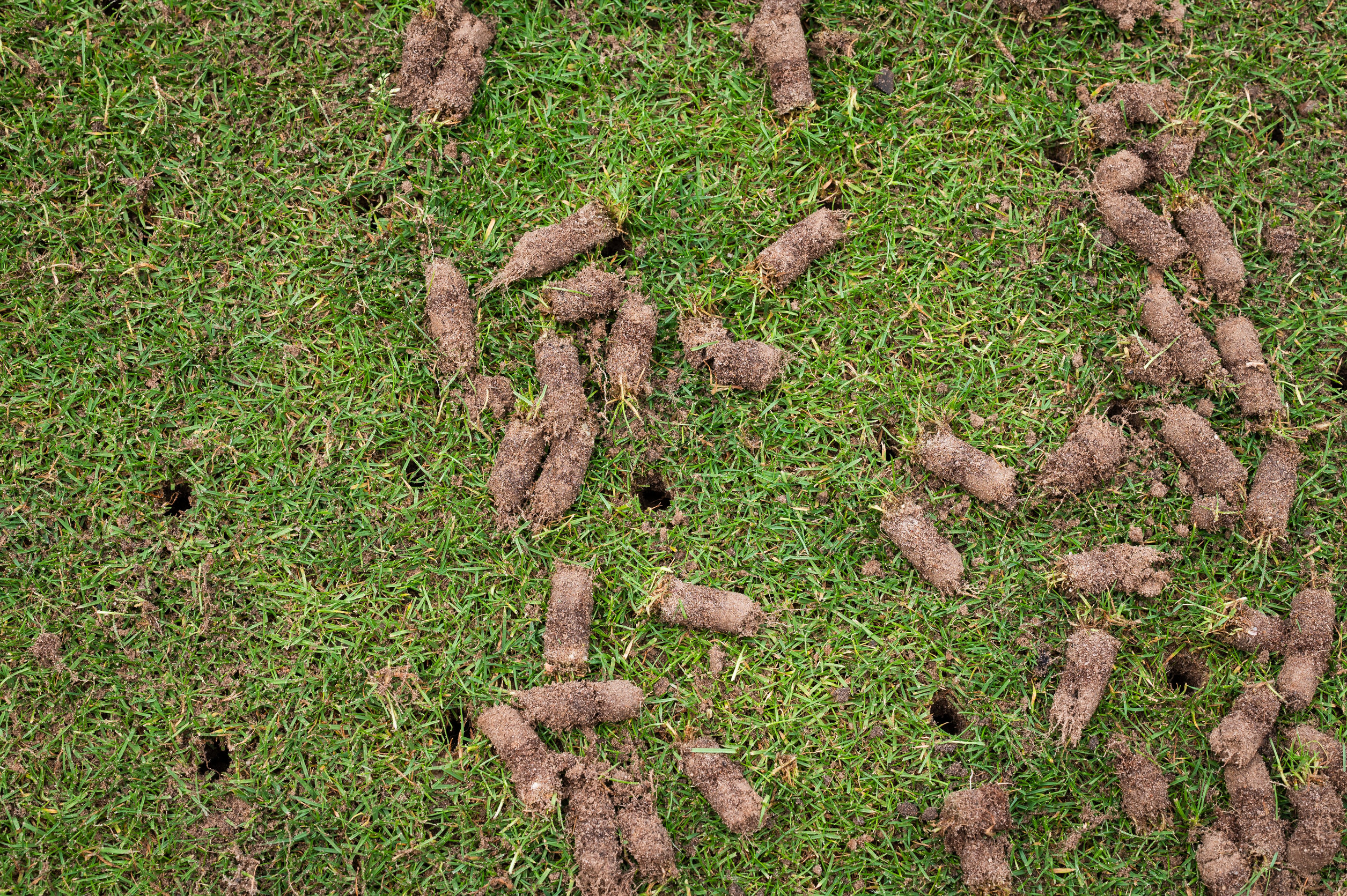
Compacted soil limits water infiltration and oxygen movement. Heat amplifies these issues by drying out shallow root zones more quickly.
Soils with balanced organic content retain moisture efficiently while remaining structurally stable, supporting consistent turf performance.
Under extended heat and limited moisture, lawns may enter dormancy — a natural survival response.
Dormant lawns:
Dormancy is not permanent damage. With proper care and returning moisture, turf can recover.
Understanding this distinction helps homeowners avoid overreacting with excessive watering or treatments.
Heat-stressed lawns are more vulnerable to weed invasion. Thin turf provides open space for opportunistic plants to establish.
Maintaining density through proper mowing and watering helps:
Strong turf remains the best natural defense.
Cabins often experience irregular maintenance schedules during the warmest part of the season.
Key considerations include:
Stable care routines help lawns remain presentable throughout periods of intermittent occupancy.
Supporting lawns through heat doesn’t require excessive resource use.
Sustainable strategies include:
These practices protect lawn health while conserving water and energy.
For broader guidance on water-efficient lawn practices, homeowners can reference national resources focused on sustainable outdoor water use.
Lawns managed with heat resilience in mind often experience:
Protecting turf now supports stronger performance throughout the remainder of the growing season.
Professional lawn care providers understand how seasonal stress affects turf and soil conditions. Their experience helps identify:
This insight supports informed decision-making during challenging weather patterns.
If you have questions about summer lawn care, heat stress management, or maintaining healthy turf for your Minnesota home or cabin, please contact:
RJ3 Property Maintenance
11189 Sleepy Hollow Drive
Brainerd, MN 56401
Email: info@rj3pm.com
Phone: 218-576-4992