
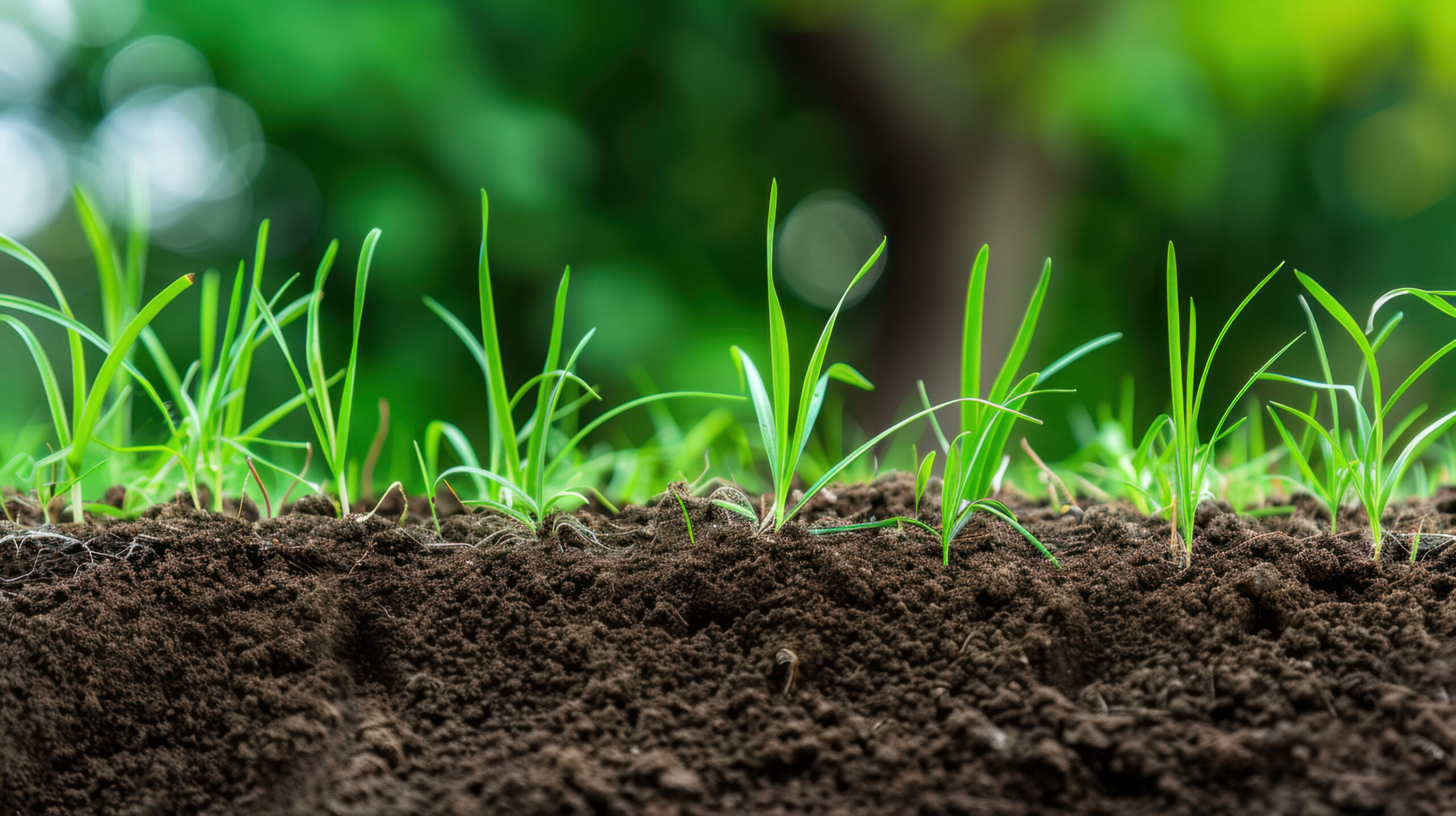
The most successful lawns and landscapes aren’t just beautifully cut or watered on schedule — they are built on healthy soil. Soil is more than dirt; it is a living ecosystem that supplies water, nutrients, and oxygen to roots, supports microbial life, and serves as the foundation for resilient turf and plant growth.
During the summer months in Minnesota, soil health plays a critical role in how lawns respond to heat, irregular rainfall, and heavy foot traffic. Turf grown in balanced, biologically active soil is better equipped to retain moisture, resist disease, and recover from stress.
Understanding the components of healthy soil and how it functions allows homeowners to make informed choices that benefit long-term lawn performance.
Soil health influences nearly every aspect of lawn and landscape performance. A robust soil ecosystem:
Healthy soil is not a luxury; it is a critical asset for weathering seasonal stress and maintaining long-term turf quality.
Soil structure refers to how soil particles (sand, silt, clay, and organic matter) are arranged. Good structure allows water to flow freely yet remain accessible to roots.
Soil that is compacted or poorly structured cannot support strong turf regardless of how much water or fertilizer is applied.
Organic matter — decomposed plant and animal material — feeds soil microbes and improves soil performance.
Benefits include:
Incorporating organic matter gradually over time builds a living soil that supports consistent lawn health.
Soil microbes (bacteria, fungi, and other organisms) break down organic matter and release nutrients in forms turf can absorb. A biologically active soil:
Microbial activity often slows in compacted, dry, or nutrient-imbalanced soils — making biological support a priority for healthy lawns.
Healthy soil doesn’t just “hold” water — it manages it effectively.
Soils with good structure and organic content absorb water more efficiently and release it to roots over time.
Balanced nutrients are essential for turf strength. However, the focus should be on soil health before nutrient inputs.
Excessive fertilizer:
Healthy soil with proper biology needs less frequent, more efficient nutrient inputs to maintain strong, vibrant turf.
Soil testing provides insight into:
Testing allows homeowners to tailor soil amendments rather than guessing, leading to better outcomes and more efficient resource use.
For broader guidance on soil quality and testing methods, helpful national resources provide practical insights.
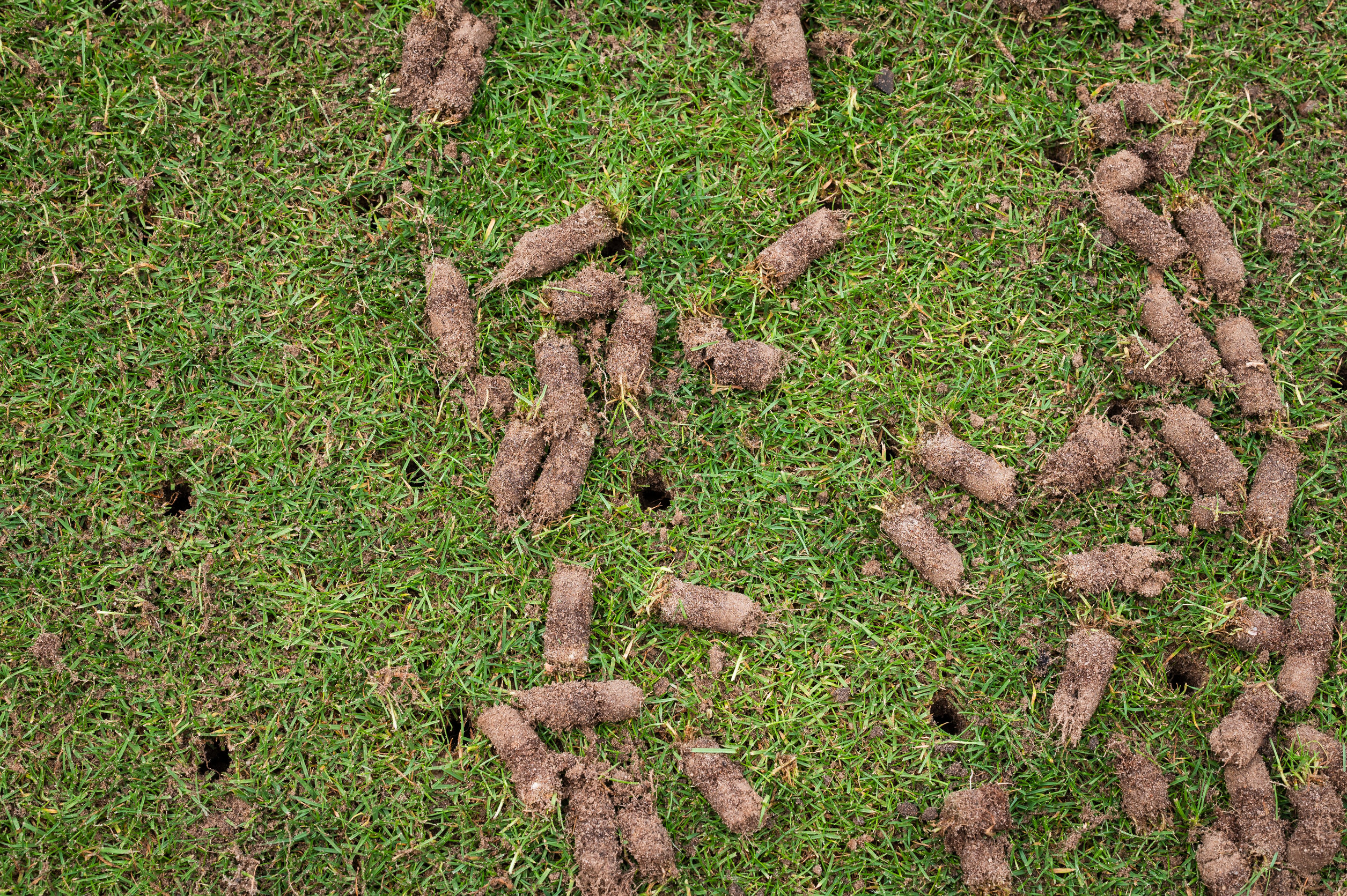
Compacted soil limits airflow and water access, restricting root growth and weakening turf.
De-compacting soil improves oxygen exchange and allows roots to expand deeper.
Mulch isn’t just for beds — it has a positive effect on soil everywhere:
Benefits include:
Strategic mulch use near lawn edges, beds, and landscape features supports soil health without over-application.
Dense turf contributes to soil health by shading soil and moderating temperature. In return, healthy soil promotes dense root systems and rich canopy growth — a symbiotic relationship.
Healthy soil allows turf to fill in thin areas naturally, reducing weed pressure and improving appearance.
Cabins often experience irregular care, making soil maintenance especially important.
Challenges include:
Healthy soils at cabins help turf stabilize quickly after heavy use or drought.
Supporting soil health doesn’t require complex or costly inputs. Sustainable strategies include:
These practices improve soil resilience even under challenging summer conditions.
Lawns maintained with soil health as a priority often experience:
Focusing on soil creates a foundation that supports lawn health year after year.
If you have questions about soil health, lawn performance, or seasonal property care for your Minnesota home or cabin, please contact:
RJ3 Property Maintenance
11189 Sleepy Hollow Drive
Brainerd, MN 56401
Email: info@rj3pm.com
Phone: 218-576-4992