
The height of summer brings vibrant lawns, active outdoor living, and increased use of lakeshore properties throughout the Brainerd Lakes Area. While lush turf and green landscapes are part of the seasonal appeal, this period also presents challenges that are easy to overlook. Lawn care practices during peak summer can directly affect nearby lakes through runoff, erosion, and excess nutrients entering the water.
Understanding how to balance lawn health with water stewardship is especially important in lake-rich regions. With thoughtful adjustments, property owners can maintain attractive lawns while reducing their impact on surrounding waterways. Lake-friendly lawn care is not about sacrificing appearance — it’s about making informed choices that protect both turf and the environment.
During the warmest stretch of the growing season, lawns often receive more water and maintenance attention than at any other time. These conditions increase the likelihood of runoff, particularly during heavy rainfall or over-irrigation.
Runoff can carry:
Once these materials reach lakes, they contribute to algae growth, reduced water clarity, and long-term ecosystem stress.
Lawns act as a transition zone between developed spaces and natural water bodies. How turf is managed directly influences how water moves across a property.
Healthy lawns with strong root systems:
Conversely, stressed or compacted lawns shed water quickly, increasing nutrient transport into lakes.
Water management is one of the most impactful factors in protecting nearby waterways.
Overwatering not only weakens turf but increases runoff potential. Water that cannot be absorbed by soil flows toward low areas and drainage paths.
Watering deeply allows moisture to reach root zones while reducing surface saturation. This approach strengthens roots and minimizes runoff.
During periods of rainfall or high humidity, irrigation schedules should be reduced to prevent oversaturation.
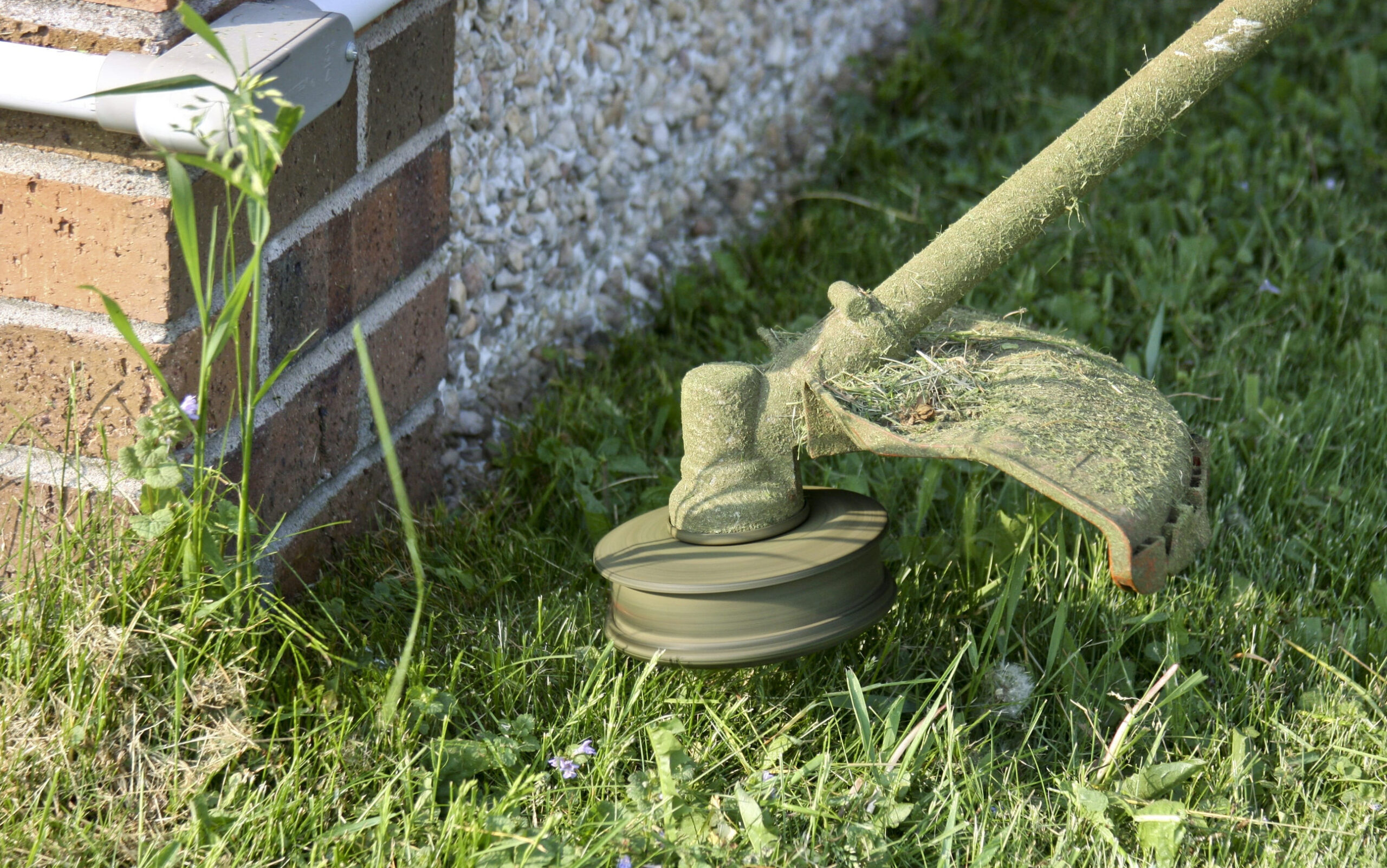
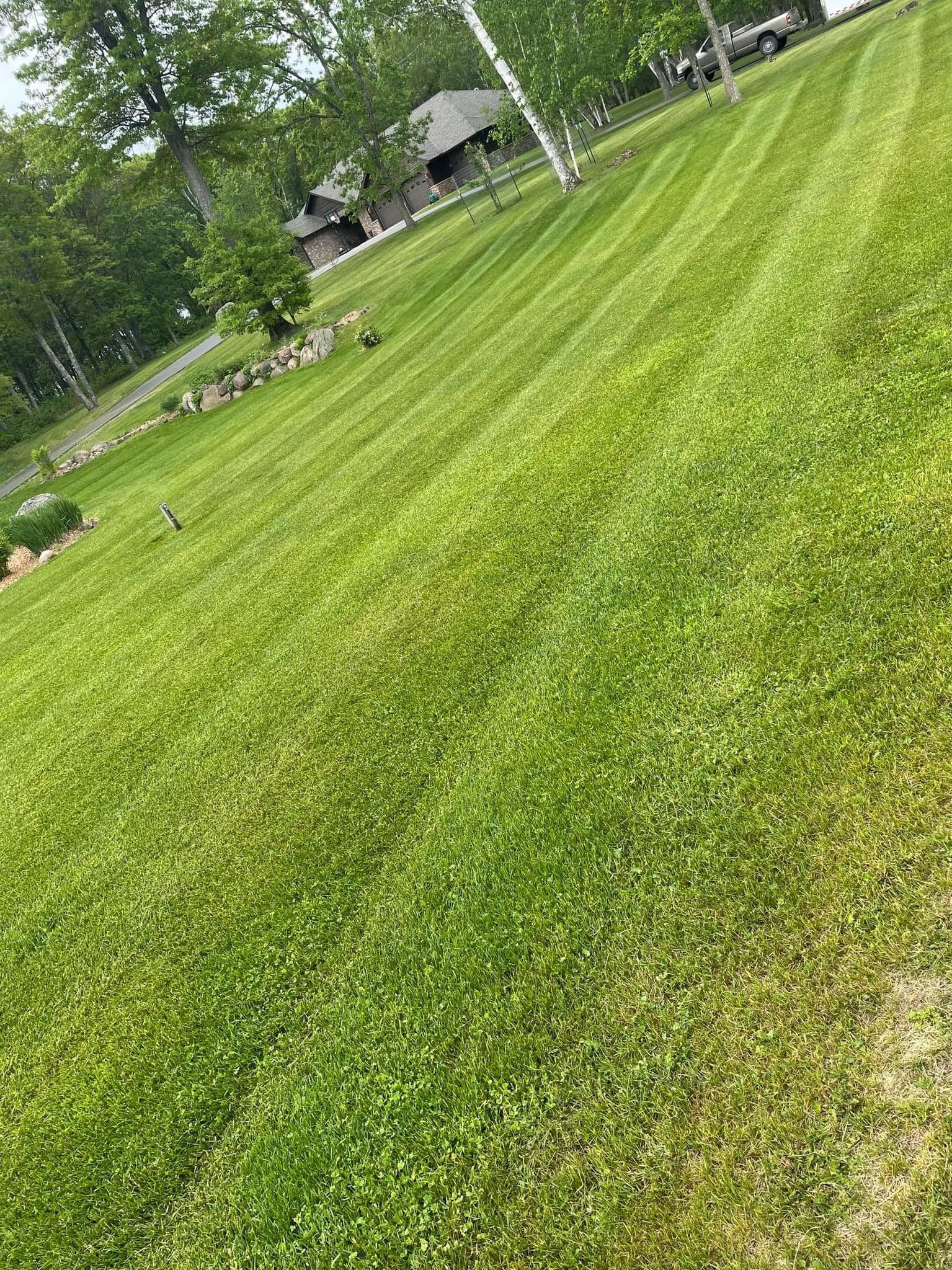
Mowing practices influence how water interacts with turf.
Maintaining slightly taller grass:
Short grass exposes soil, increasing runoff and nutrient loss during storms.
Grass clippings should remain on the lawn whenever possible, as they recycle nutrients without contributing to runoff when managed properly.
Nutrient application timing is critical near lakes.
Applying fertilizer during peak summer:
Many lake-friendly lawn programs emphasize reducing or eliminating mid-summer fertilization unless soil testing indicates a specific need.
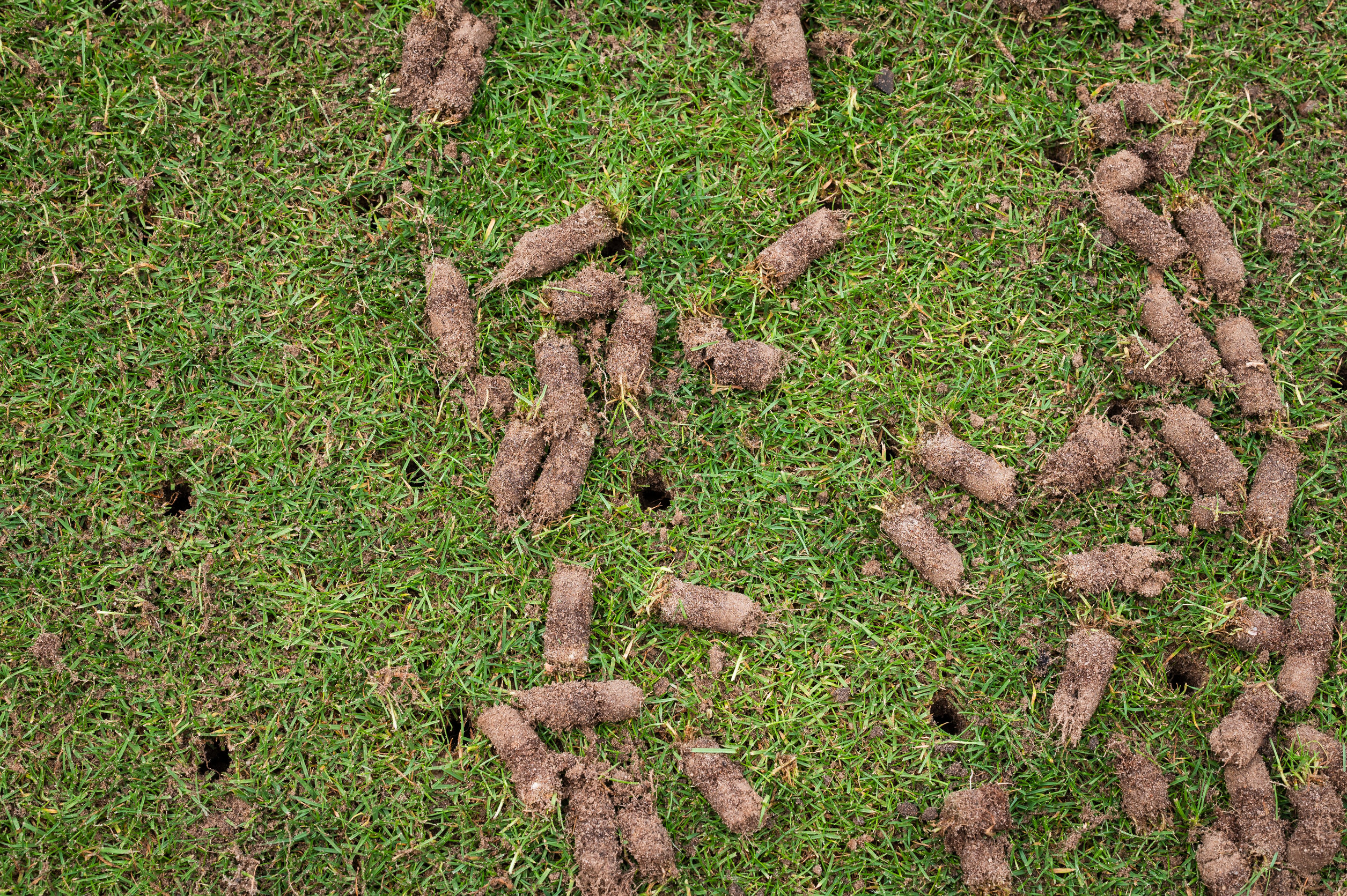
Soil structure plays a major role in runoff prevention.
Healthy soils:
Compacted or degraded soils shed water quickly, carrying nutrients and sediment toward lakes.
Improving soil health through organic matter and reduced compaction strengthens turf while protecting water quality.
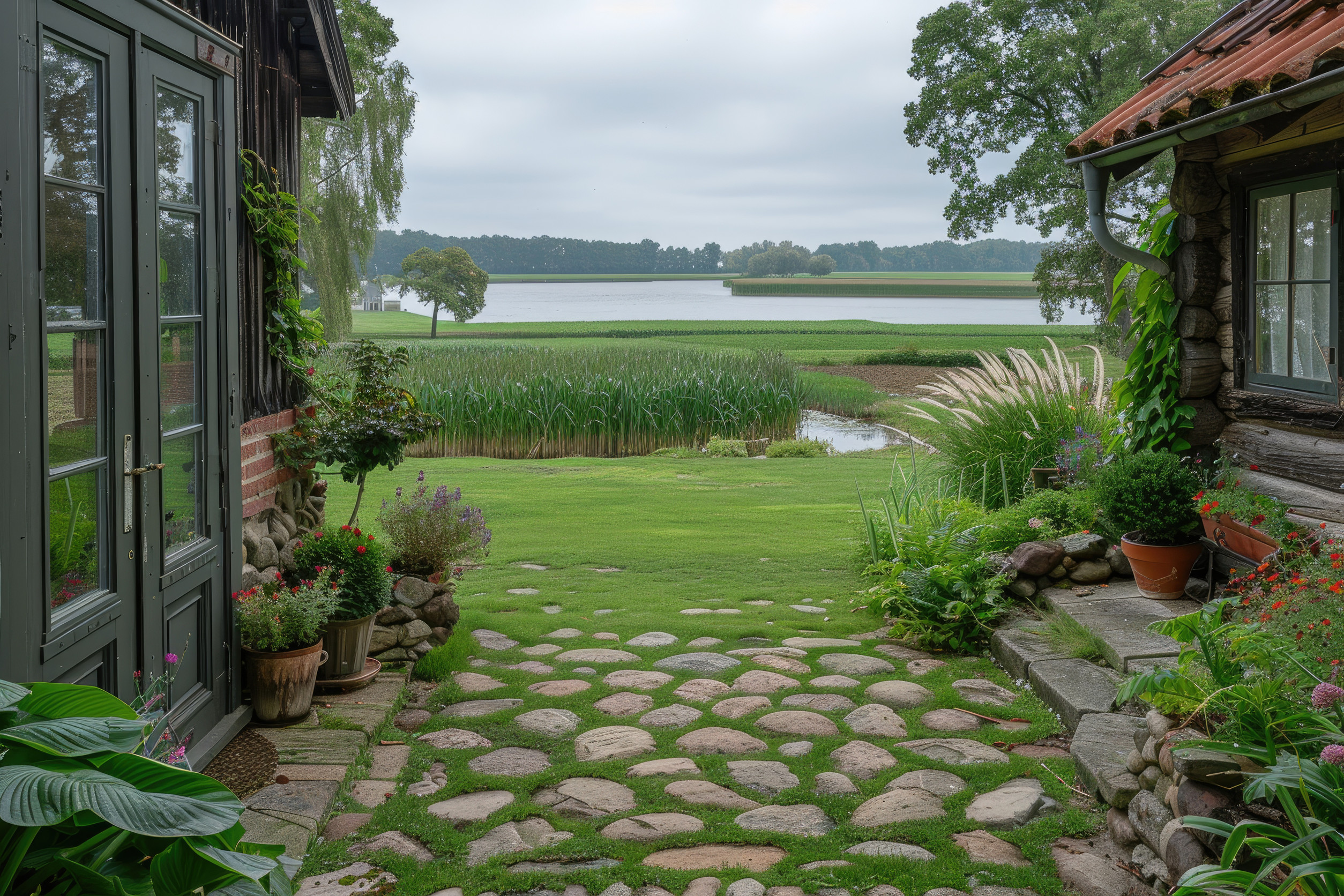
Properties near lakes benefit from maintaining buffer areas between turf and water.
Buffer zones:
Even small buffer areas significantly reduce nutrient movement into lakes while enhancing shoreline resilience.
Peak summer often brings increased foot traffic near docks, patios, and shorelines.
High-use areas:
Stabilizing these areas with thoughtful layout design and traffic management helps preserve both turf and shoreline integrity.
Cabins often experience intermittent care combined with periods of heavy use.
Best practices include:
These steps help maintain lawn stability without increasing environmental impact.
Driveways, walkways, and patios contribute to runoff when water flows directly into turf or lakes.
Managing runoff from hard surfaces:
Directing water toward absorbent landscape areas improves infiltration.
Lake-friendly lawn care emphasizes balance rather than intensity.
Sustainable strategies include:
These practices protect both lawn health and surrounding ecosystems.
Properties that prioritize water stewardship often experience:
These benefits extend beyond the current season and help preserve the natural beauty of the Brainerd Lakes Area.
Professional property maintenance teams understand how regional conditions affect lawns near water. Their experience helps identify:
This insight supports smarter, more sustainable lawn care decisions.
Peak summer lawn care in the Brainerd Lakes Area requires a thoughtful balance between maintaining attractive turf and protecting nearby lakes. By adjusting watering, mowing, soil management, and nutrient practices, property owners can significantly reduce runoff and nutrient loss without compromising lawn quality. Lake-friendly lawn care supports healthier landscapes, cleaner water, and long-term property value — making it an essential consideration during the most active part of the summer season.
If you have questions about lake-friendly lawn care, runoff management, or maintaining healthy turf near water in the Brainerd Lakes Area, please contact:
RJ3 Property Maintenance
11189 Sleepy Hollow Drive
Brainerd, MN 56401
Phone: 218-576-4992