
Landscaping is often viewed as a one-time project, but in reality, it’s an ongoing process that evolves throughout the growing season. In northern Minnesota, landscapes must withstand changing weather patterns, active growth cycles, and varying soil conditions. Without consistent attention, even well-planned landscapes can begin to look cluttered, uneven, or stressed.
Smart landscaping is not about constant intervention. It’s about making informed choices that support plant health, maintain clean lines, and reduce the need for corrective work later. When beds, shrubs, and borders are managed thoughtfully, outdoor spaces feel cohesive and easier to maintain.
Strong landscapes are built on structure. Before focusing on decorative elements, it’s important to evaluate the underlying layout.
Key structural elements include:
When structure is clear, the entire landscape appears more organized, even as plants grow and mature.
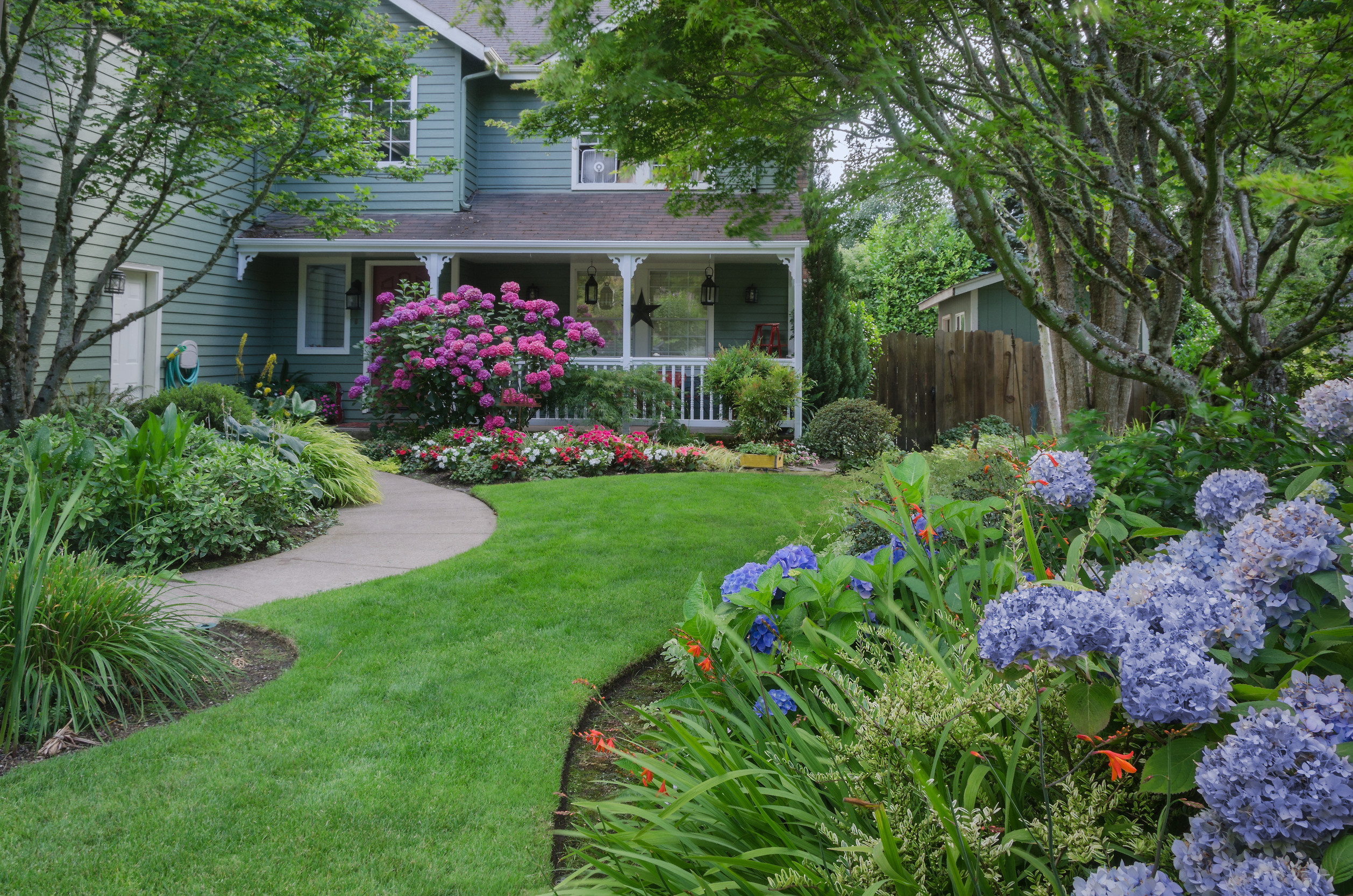
Landscape beds frame the lawn and anchor the overall design.
Clean bed edges:
Beds that lose definition often make properties appear unmaintained, even if plants are healthy.
Re-establishing bed lines periodically helps maintain a polished appearance throughout the season.
Mulch plays both a functional and visual role in landscaping.
Mulch should be applied evenly and at an appropriate depth. Too little reduces effectiveness, while too much can trap excess moisture and stress plant roots.
Refreshing mulch after soil has warmed helps beds stay tidy and manageable during peak growth.
Crowded plants compete for light, water, and nutrients. Proper spacing supports healthier growth and reduces disease risk.
Benefits of appropriate spacing include:
Overcrowding often leads to aggressive trimming later, which can stress plants unnecessarily.
Trimming is one of the most misunderstood aspects of landscaping.
Thoughtful trimming:
Excessive or poorly timed trimming can lead to uneven growth or reduced flowering.
Shrubs and ornamental plants benefit from light, regular shaping rather than heavy cuts.
Landscapes look best when no single area dominates visually.
Consider:
Balanced landscapes feel intentional and are easier to maintain as the season progresses.
Weeds compete directly with landscape plants for nutrients and moisture.
Preventive strategies include:
Consistent attention prevents small issues from becoming time-consuming problems later.
Landscape plants often have different water needs than turf.
Best practices include:
Overwatering beds can weaken roots and encourage disease, while underwatering slows establishment.
Healthy soil supports plant longevity and reduces maintenance needs.
Key soil considerations:
Improving soil conditions helps plants establish stronger root systems and handle stress more effectively.
Low-stress landscapes are designed for long-term care.
Maintenance-friendly design includes:
Designing with maintenance in mind reduces the need for frequent trimming or replacement.
Cabins often experience bursts of use followed by periods of minimal attention.
Ideal strategies include:
This approach keeps landscapes attractive without requiring constant oversight.
Sustainable landscaping benefits both the property and the surrounding environment.
Examples include:
Sustainable choices often result in stronger, more resilient landscapes over time.
As the season progresses, landscapes change.
Staying proactive allows homeowners to:
Regular observation is one of the most effective landscaping tools.
Professional landscaping services help ensure:
This support allows landscapes to perform well throughout the growing season.
Successful landscaping is built on structure, balance, and informed care. By focusing on bed definition, proper spacing, strategic trimming, and soil health, homeowners can maintain landscapes that look polished without becoming overwhelming. Thoughtful landscaping practices reduce long-term maintenance demands while supporting plant health and property appearance throughout the season.
If you have questions about landscaping maintenance, bed care, or managing outdoor spaces for your home or cabin in the Brainerd Lakes Area, please contact:
RJ3 Property Maintenance
11189 Sleepy Hollow Drive
Brainerd, MN 56401
Phone: 218-576-4992