
By the time late summer fades, many lawns show visible signs of stress. Discoloration, thinning grass, compacted soil, and dry patches are common across residential and seasonal properties in the Brainerd Lakes Area. While some of this stress is unavoidable, how lawns are managed during this transitional period greatly influences their ability to recover.
This stage of the growing season is a reset opportunity. Cooler temperatures, increased moisture, and reduced heat stress allow grass to redirect energy toward root repair and nutrient storage. Strategic watering and soil care during this window support turf recovery and lay the groundwork for healthier growth in the following season.
Summer conditions in Central Minnesota often include heat spikes, sporadic rainfall, and heavy lawn usage. These factors place stress on cool-season grasses, which are better suited to moderate temperatures.
Common indicators of summer stress include:
While lawns may appear dormant or damaged, many grass plants are still alive below the surface. Supporting recovery requires adjusting maintenance practices rather than forcing rapid growth.
Watering needs change as temperatures cool and evaporation rates decrease. Continuing summer watering habits into early fall can lead to shallow roots, excess moisture, or disease pressure.
The goal during this phase is to encourage deeper root growth rather than frequent top growth. Deep, infrequent watering supports moisture penetration into the soil profile, helping roots access water more efficiently.
As overnight temperatures drop, lawns retain moisture longer, making overwatering a greater risk than underwatering. Adjusting irrigation schedules helps maintain proper balance and prevents unnecessary stress.
Not all lawn issues are caused by drought. Understanding the difference between moisture stress and other turf problems prevents unnecessary watering.
Signs of moisture imbalance include:
Addressing these issues may involve reducing watering frequency, improving drainage, or adjusting sprinkler coverage rather than simply adding more water.
Soil structure plays a major role in how well lawns manage water. Compacted soil prevents moisture from penetrating deeply, leading to surface runoff and shallow root systems.
Improving soil conditions allows water to move more effectively through the root zone. Aeration, organic matter management, and proper grading all contribute to better moisture retention and drainage.
Healthy soil helps lawns recover faster from summer stress while reducing reliance on frequent watering.
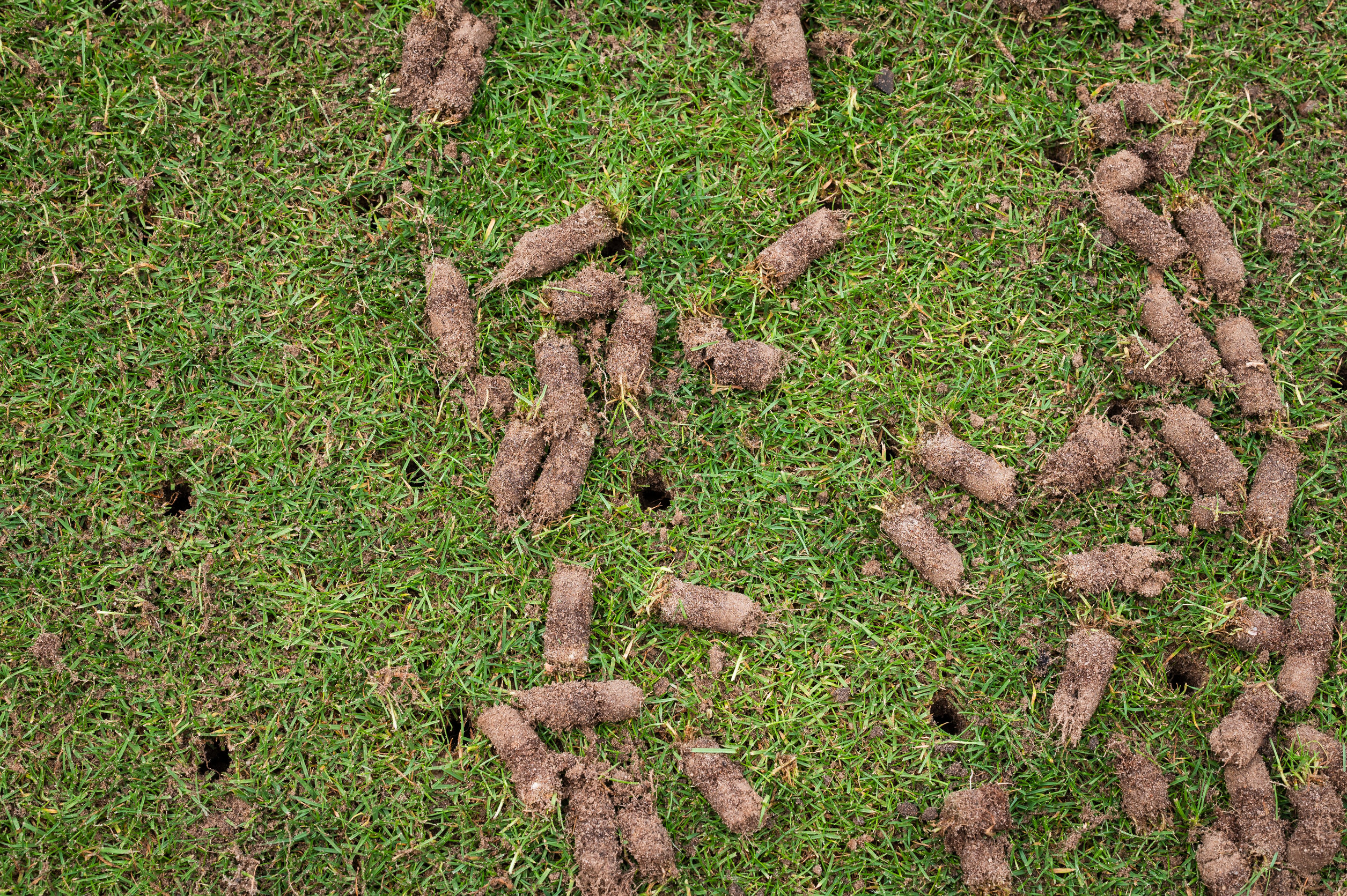
Aeration is one of the most effective ways to support lawns recovering from heat and drought stress. By reducing compaction and improving airflow, aeration allows roots to access water and nutrients more efficiently.
When paired with proper watering, aeration helps lawns rebuild root mass and improve turf density. This process supports recovery without forcing excessive top growth that can weaken grass before winter.
For Brainerd Lakes properties with heavy soil or high foot traffic, aeration is particularly valuable during seasonal transitions.
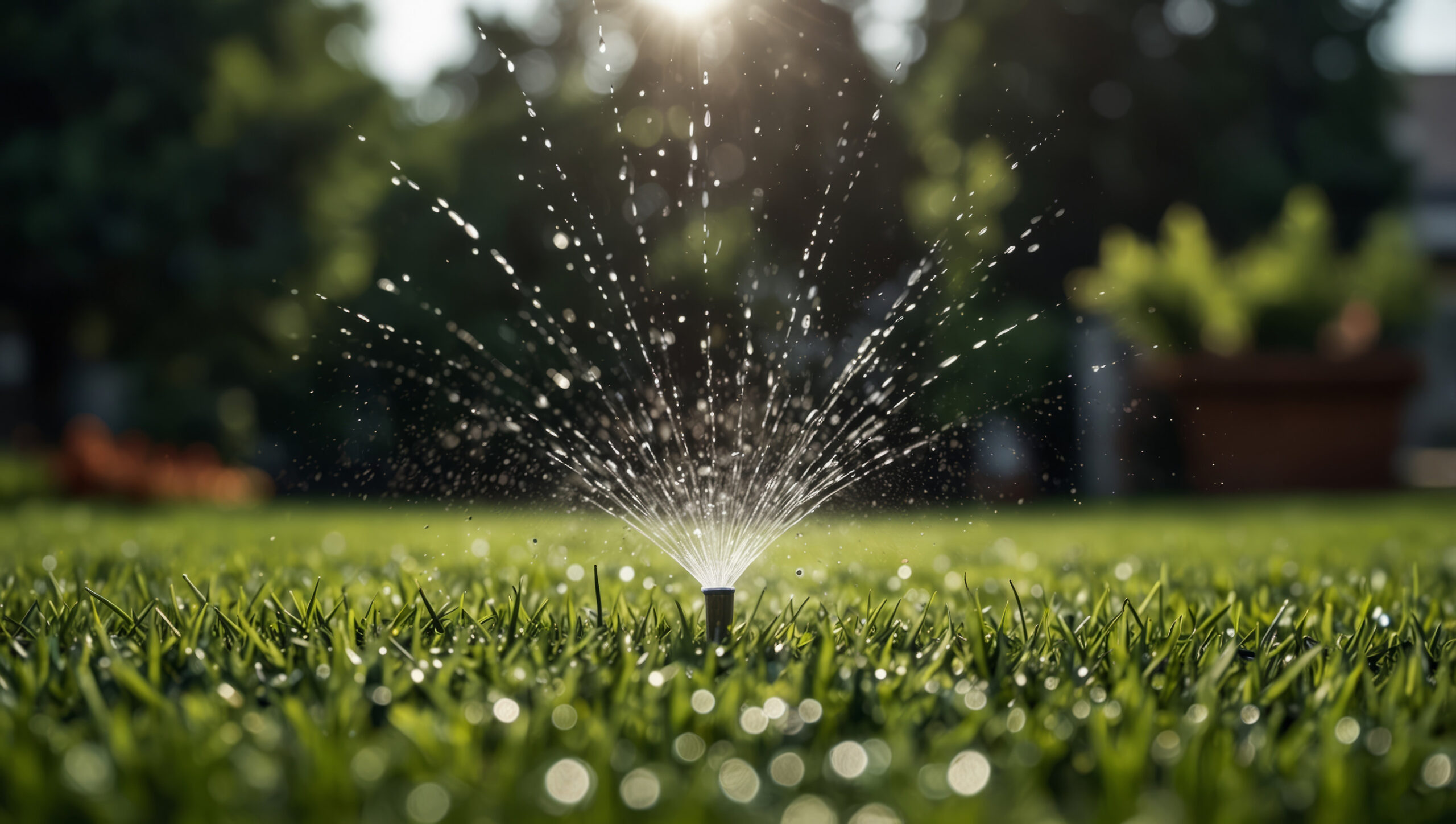
Automatic irrigation systems are convenient, but they require seasonal adjustments to remain effective. Systems set for peak summer demand often deliver more water than lawns need as temperatures cool.
Key irrigation adjustments include:
These changes protect lawns from overwatering while conserving water and supporting healthier root development.
Some areas of the lawn recover more slowly than others due to soil composition, sun exposure, or compaction. Dry patches often appear on slopes, near pavement, or in high-traffic areas.
Addressing these zones may require:
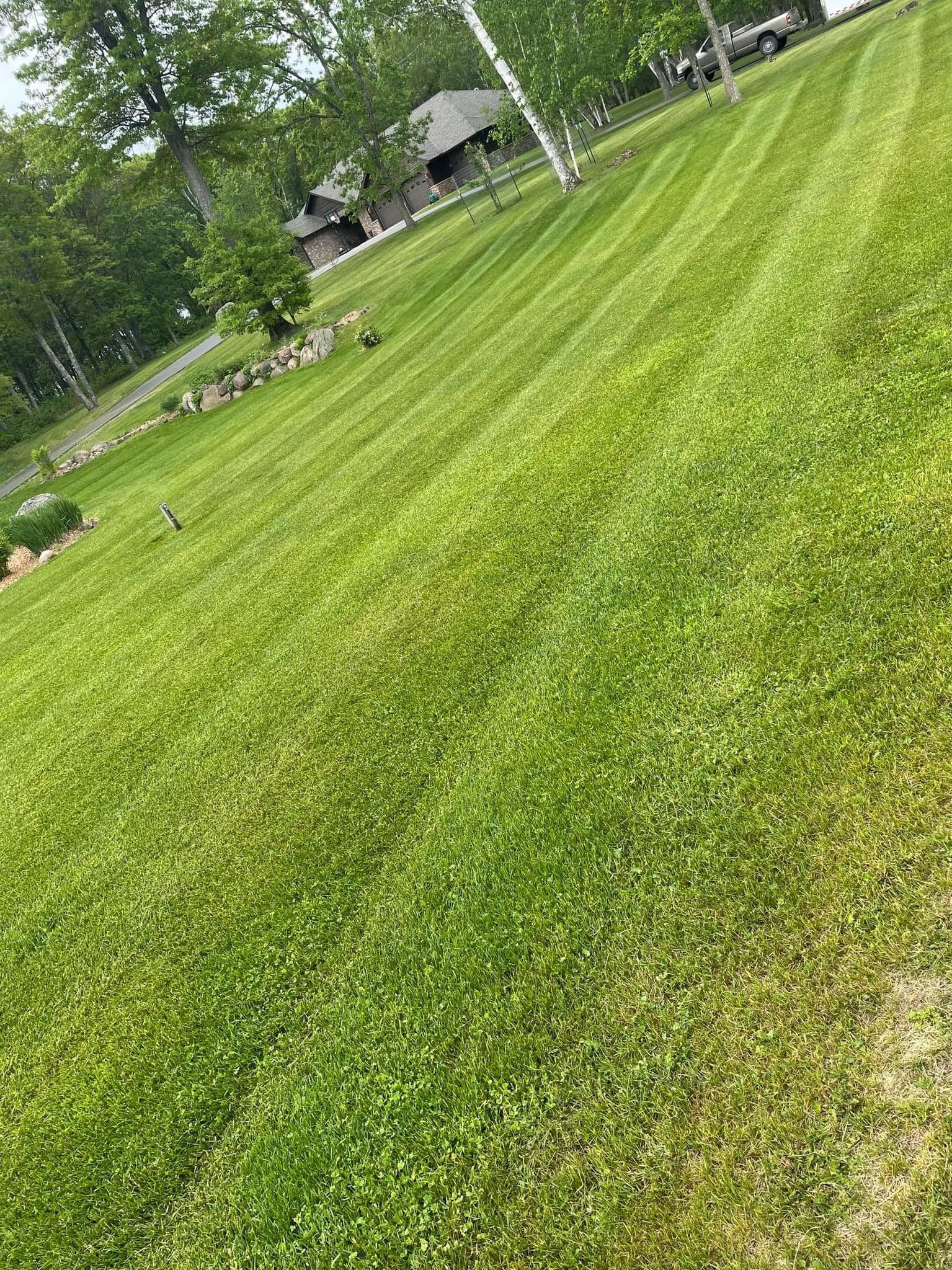
Focusing on problem areas helps create a more uniform lawn and prevents long-term thinning.
Well-intentioned lawn care efforts can sometimes cause more harm than good. Common mistakes include:
Thoughtful watering practices protect lawns during this sensitive recovery period and reduce the likelihood of disease or root damage.
As lawns prepare for dormancy, root health becomes more important than blade appearance. Strong roots improve winter survival and allow lawns to green up faster when conditions improve.
Proper moisture management, combined with aeration and responsible fertilization, supports carbohydrate storage in grass plants. This stored energy fuels recovery and growth once temperatures rise again.
Properties near water often experience unique moisture challenges, including variable soil conditions and environmental regulations. Seasonal properties may also go extended periods without active management.
Consistent lawn care during transitional seasons helps protect turf when properties are unoccupied. Professional maintenance ensures watering practices align with environmental considerations and local guidelines.
Lawns that recover properly from summer stress experience fewer issues later, including:
Seasonal moisture management is an investment in lawn stability rather than a short-term cosmetic fix.
Central Minnesota lawns face different challenges than those in other regions. Understanding local climate patterns, soil conditions, and seasonal transitions allows for smarter lawn care decisions.
RJ3 Property Maintenance brings regional expertise to lawn care and property maintenance in the Brainerd Lakes Area, helping property owners manage seasonal stress and support long-term lawn health.
RJ3 Property Maintenance
11189 Sleepy Hollow Drive
Brainerd, MN 56401
Phone: (218) 576-4992
Email: info@rj3pm.com
RJ3 Property Maintenance provides professional lawn care and property maintenance services for residential, seasonal, and commercial properties throughout the Brainerd Lakes Area.