
Spring planting success begins long before the ground thaws. In northern Minnesota, where winters are long and growing seasons are shorter, selecting plants suited to local conditions is essential. The Brainerd Lakes area presents unique challenges, including cold winters, fluctuating spring temperatures, and varied soil conditions.
Planning plant choices during January gives homeowners time to evaluate options carefully and make informed decisions that support healthier landscapes and long-term performance.
The Brainerd Lakes area falls within colder USDA hardiness zones, meaning plants must tolerate extended cold, late frosts, and occasional temperature swings well into spring. Selecting plants adapted to these conditions reduces the risk of winter dieback and delayed growth.
Key regional factors to consider include:
Plants well-suited to these conditions tend to establish more quickly and require less corrective care.
Native and cold-hardy plants are often the most reliable choice for northern landscapes. These plants have adapted over time to local climate patterns, soil types, and moisture levels.
Benefits of choosing native or regionally adapted plants include:
Incorporating these plants into spring landscaping plans helps create resilient landscapes that perform consistently year after year.
Trees and shrubs form the backbone of many landscapes, providing structure, shade, and seasonal interest. In the Brainerd Lakes area, selecting varieties that tolerate cold winters and variable soil conditions is especially important.
When planning spring plantings, homeowners should consider:
Choosing the right trees and shrubs early helps avoid overcrowding, pruning challenges, and long-term maintenance issues.
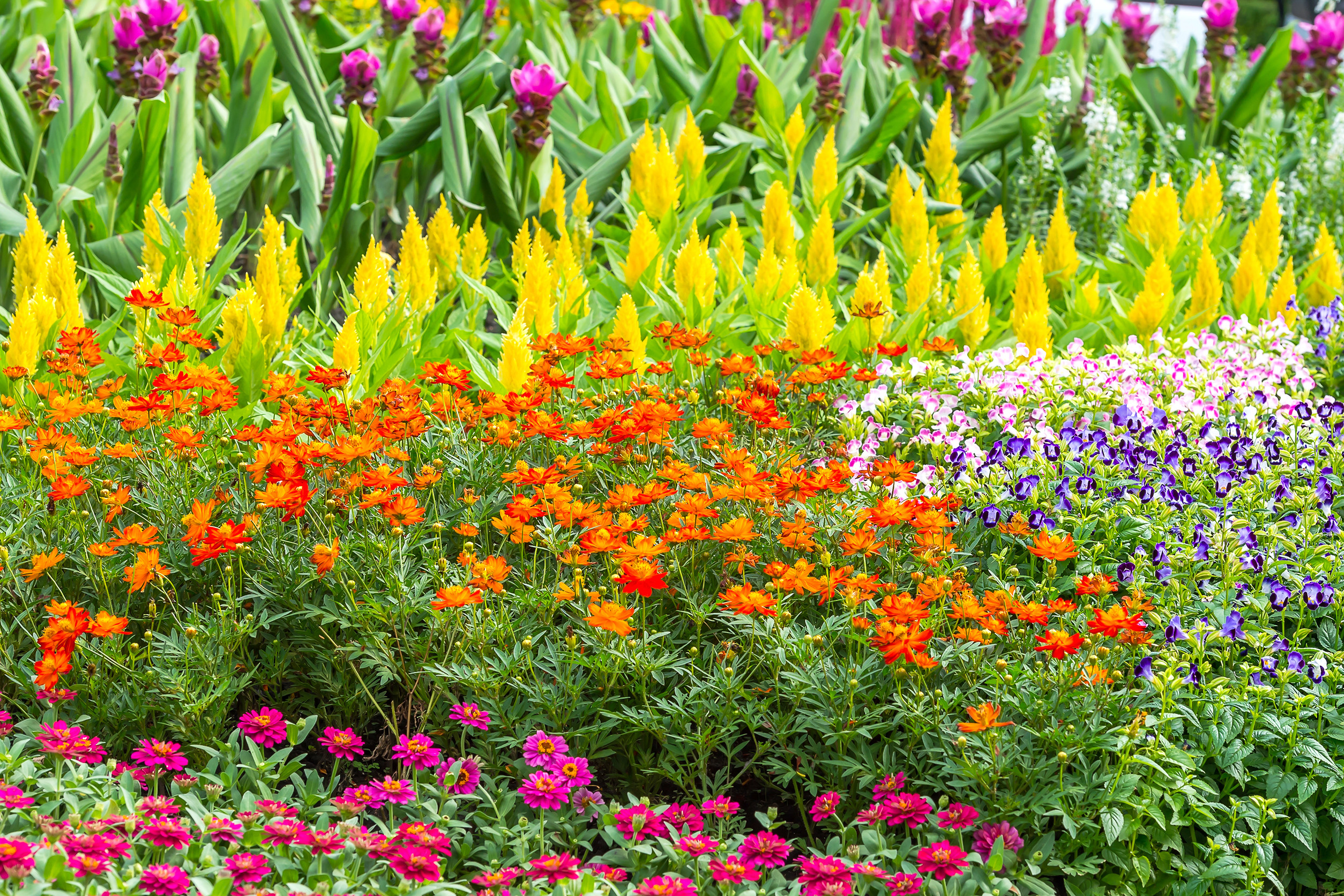
Perennials are a popular choice for adding color and texture to landscapes, but not all varieties perform equally well in northern climates. Selecting perennials known for cold hardiness and reliable bloom cycles ensures stronger results.
Spring planning allows homeowners to:
Well-chosen perennials contribute to a landscape that matures gracefully over time.
Plant success depends not only on climate but also on soil health and drainage. Snowmelt and spring rains can reveal areas where water pools or drains slowly.
During winter planning, homeowners can:
Matching plants to existing soil conditions reduces stress and supports healthier root development.
Understanding sun exposure is critical when selecting spring plants. Snow patterns and winter shadows often reveal how sunlight moves across the property throughout the year.
Planning ahead helps homeowners:
Thoughtful placement improves plant performance and reduces the need for adjustments later.
Winter planning removes the pressure of last-minute decisions once spring arrives. Homeowners who plan ahead benefit from better plant availability, clearer design goals, and smoother project timelines.
January is an ideal time to:
This proactive approach leads to healthier landscapes and more satisfying results.
Choosing the right plants is a foundational step in landscape success. When selections are based on regional conditions, soil characteristics, and long-term goals, landscapes are more resilient and easier to maintain.
Thoughtful planning during winter sets the stage for strong establishment, vibrant growth, and lasting curb appeal throughout the growing season.
If you have questions about spring planting, landscape planning, or preparing your property for the growing season, RJ3 Property Maintenance is a trusted local resource for year-round property and landscaping support.
RJ3 Property Maintenance
Phone: 218-576-4992
Email: info@rj3pm.com