
As winter fades and temperatures begin to rise across the Brainerd Lakes area, homeowners turn their attention to one of the most important tasks of the year—spring planting. After months of snow and frozen ground, spring offers a fresh start for lawns, gardens, and landscapes. It’s a time to restore vitality to outdoor spaces and prepare for the months ahead.
Spring planting plays a foundational role in overall property maintenance. From enhancing curb appeal to supporting long-term plant health, the decisions made early in the season can have a lasting impact. In Minnesota, where weather patterns can be unpredictable, understanding how to approach spring planting is essential.
This guide explores how to successfully plan and execute spring planting in Minnesota, with a focus on the Brainerd Lakes region. From soil preparation to plant selection and ongoing maintenance, each step contributes to a healthy and visually appealing landscape.
Spring planting in Minnesota differs significantly from planting in milder climates. The region’s long winters and fluctuating spring temperatures require careful planning and timing.
One of the most important considerations is the last frost date. In northern Minnesota, including Brainerd and surrounding communities, frost can linger well into May. Planting too early may expose new plants to freezing temperatures, which can damage or kill them.
In early spring, soil may still be cold and saturated from snowmelt. Planting in overly wet soil can compact it further and inhibit root development. Waiting until the soil is workable and well-drained creates better conditions for plant growth.
Rather than rushing into full planting, many homeowners begin with early-season tasks such as cleanup, soil preparation, and planning. This gradual approach helps ensure that planting efforts are successful.
Before planting begins, proper yard preparation is essential. This step sets the stage for healthy growth and reduces the likelihood of issues later in the season.
Winter often leaves behind debris such as leaves, branches, and organic matter. Removing this buildup allows sunlight and air to reach the soil, promoting healthy growth.
Cleanup also helps reduce the risk of disease and pests, which can thrive in damp, cluttered environments.
Healthy soil is the foundation of any successful planting project. In Minnesota, soil conditions can vary widely, making preparation even more important.
Common preparation steps include:
These improvements help create an environment where plants can establish strong root systems.
Installing or refreshing mulch beds helps retain moisture, regulate soil temperature, and suppress weed growth. Mulch also enhances the appearance of garden areas, creating a clean and organized look.
Mulch installation is often part of broader landscaping services designed to improve both function and aesthetics.
Plant selection is one of the most critical components of spring planting. Choosing plants that are well-suited to Minnesota’s climate ensures better performance and long-term success.
Some plants can tolerate cooler temperatures and can be planted earlier in the season. These include:
These plants provide early color and productivity while the weather is still mild.
Other plants require warmer soil and should be planted after the risk of frost has passed. Examples include:
Waiting for consistent warmth helps these plants establish and thrive.
Perennials and shrubs are valuable additions to any landscape because they return year after year. Popular options for Minnesota include:
These plants provide structure and continuity within garden designs.
For region-specific recommendations, horticultural resources can offer guidance on plant varieties that perform well in Minnesota conditions.
A well-designed planting layout enhances both the visual appeal and functionality of your landscape.
Plants should be grouped based on their sunlight requirements. Placing sun-loving plants in shaded areas—or vice versa—can limit their growth and reduce their lifespan.
Layering plants by height creates depth and balance:
This approach ensures all plants are visible while creating a natural flow.
Mixing colors and textures adds visual interest to planting areas. Combining flowering plants with different leaf shapes and sizes helps create a dynamic landscape.
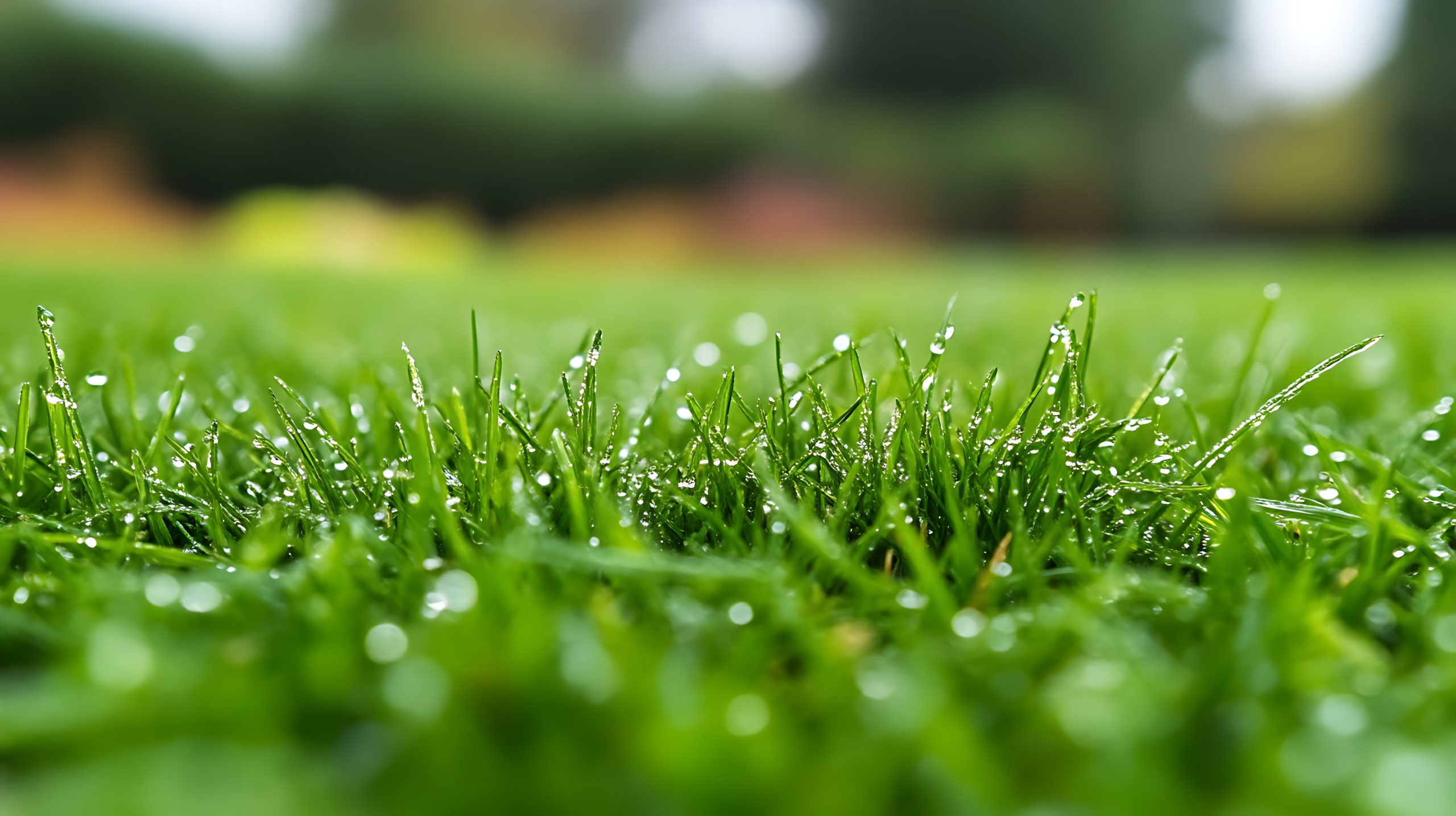
Spring planting and lawn care go hand in hand. A healthy lawn provides the foundation for a well-maintained property.
After winter, lawns often become compacted and patchy. Aeration helps improve soil structure, while overseeding fills in bare spots.
Applying fertilizer early in the season supports root development and encourages healthy grass growth.
Weeds can quickly take hold in spring. Addressing them early helps prevent competition for nutrients and sunlight.
Consistent lawn care ensures that planting areas and turf work together to create a cohesive landscape.
Proper watering is essential during the early stages of plant growth.
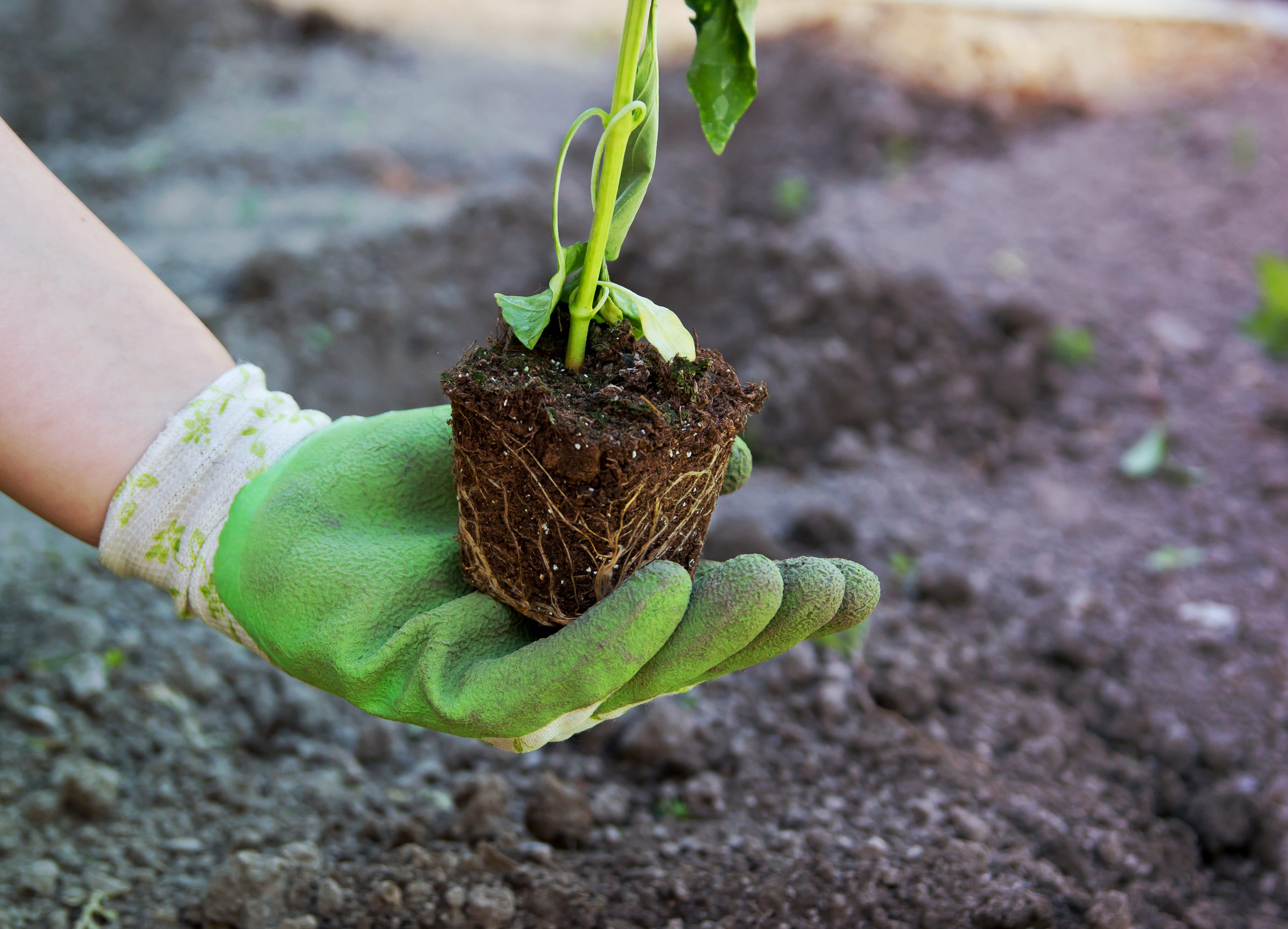
Newly planted flowers, shrubs, and garden plants require consistent moisture to establish roots.
While hydration is important, too much water can lead to root rot. Monitoring soil moisture levels helps maintain balance.
Watering in the early morning or evening reduces evaporation and allows plants to absorb moisture effectively.
Spring planting in Minnesota comes with unique challenges that homeowners should be prepared to manage.
Unexpected cold snaps can damage young plants. Covering plants or delaying planting can help mitigate this risk.
Compacted soil can restrict root growth. Aeration and soil amendments help improve soil structure.
As temperatures rise, pests and wildlife become more active. Protecting plants with natural deterrents or barriers can help reduce damage.
Spring planting is often part of a broader landscaping strategy. Incorporating planting into a larger design plan helps create a cohesive outdoor environment.
Landscaping may include:
By combining planting with other landscaping features, homeowners can create functional and visually appealing outdoor areas.
Investing time and effort into spring planting provides benefits that extend throughout the year.
A well-planted landscape enhances the appearance of your property and creates a welcoming environment.
Proper planting techniques support strong root systems and long-term plant health.
Attractive landscaping contributes to overall property value and can make a home stand out.
Spring planting sets the stage for enjoying outdoor spaces during the warmer months.
The Brainerd Lakes region offers a unique environment for landscaping, with its mix of wooded areas, lakeside properties, and varying soil conditions.
Spring planting in this area often focuses on:
By tailoring planting strategies to the local environment, homeowners can create landscapes that are both beautiful and sustainable.
Spring planting is just one part of maintaining a healthy property. Ongoing maintenance throughout the season ensures that landscapes continue to thrive.
This may include:
Comprehensive property maintenance services help ensure that all aspects of the landscape are properly cared for.
RJ3 Property Maintenance
11189 Sleepy Hollow Drive
Brainerd, MN 56401
Phone: (218) 576-4992
Email: info@rj3pm.com
RJ3 Property Maintenance provides lawn care, landscaping, seasonal cleanup, snow removal, and property maintenance services throughout the Brainerd Lakes area, including Brainerd, Baxter, Pillager, Nisswa, Lake Shore, Merrifield, Crosslake, Garrison, Deerwood, Crosby, and Little Falls.