
A lush, green lawn doesn’t happen by accident. It takes consistent mowing, proper watering, healthy soil, seasonal maintenance, and attention to changing conditions throughout the year. Even when homeowners do everything right, one hidden problem can quickly undo months of hard work: lawn pests.
Many insects spend most of their lives beneath the surface, feeding on grass roots or damaging turf before visible symptoms ever appear. By the time brown patches develop or sections of grass begin lifting away from the soil, a relatively small problem may have grown into a widespread issue.
For homeowners throughout the Brainerd Lakes Area, understanding how pests affect lawn health is an important part of protecting their property’s appearance and long-term value. Identifying problems early and maintaining healthy turf can significantly reduce the impact of damaging insects while helping your lawn recover more quickly.
One common misconception is that lawn pests only attack neglected properties. While unhealthy lawns can certainly become more vulnerable, insects are often attracted by environmental conditions rather than appearance alone.
Warm weather, moisture levels, soil conditions, and even nearby wooded areas all influence insect activity. Minnesota’s changing seasons create an environment where several types of lawn pests become active during different parts of the year.
A healthy lawn is naturally more resilient, but no yard is completely immune.
Several insects are known to cause problems for lawns throughout Central Minnesota.
White grubs are among the most destructive lawn pests.
These C-shaped larvae feed on grass roots beneath the soil, preventing turf from absorbing water and nutrients. As root systems become damaged, grass begins turning brown despite regular watering.
Signs of grub damage often include:
Because the damage occurs underground, many homeowners mistake grub infestations for drought stress.
Although smaller than grubs, chinch bugs can cause significant lawn damage.
These insects feed by piercing grass blades and extracting plant fluids while injecting toxins into the plant. The result is irregular brown patches that often continue expanding during hot, dry weather.
Without close inspection, chinch bug damage can easily be confused with underwatering.
Adult sod webworms are harmless moths, but their larvae feed on grass blades near the soil surface.
Early warning signs include:
If left untreated, multiple feeding areas can combine into much larger damaged sections.
Billbugs are another insect capable of damaging cool-season grasses.
Their larvae tunnel inside stems before feeding on roots, weakening grass and causing scattered dead patches that may resemble disease or drought damage.
Grass depends on a healthy root system to absorb water, nutrients, and oxygen.
When insects destroy roots or feed directly on grass blades, several problems begin developing:
Even regular irrigation cannot compensate for roots that have already been damaged.
One of the biggest mistakes homeowners make is increasing irrigation when they notice brown patches.
While drought can certainly stress grass, overwatering a pest-damaged lawn often fails to solve the problem and may create additional issues such as fungal disease or shallow root development.
If watering isn’t improving your lawn after several days, it’s worth investigating other possible causes.
Lawn pests rarely announce themselves immediately.
Instead, homeowners often notice subtle changes before widespread damage appears.
Watch for signs such as:
The sooner these symptoms are identified, the easier it is to minimize long-term damage.
Brown grass can result from many different problems.
Diseases typically produce visible patterns, discoloration, mold, or circular patches that spread under humid conditions.
Pest damage often begins below the surface, where roots are being consumed.
Proper diagnosis matters because treatments for insects differ significantly from those used for fungal diseases.
A healthy lawn begins beneath the surface.
Healthy soil encourages deeper root growth, allowing grass to better withstand environmental stress and recover from minor insect feeding.
Practices that improve soil health include:
These services strengthen the lawn naturally while supporting long-term turf health.
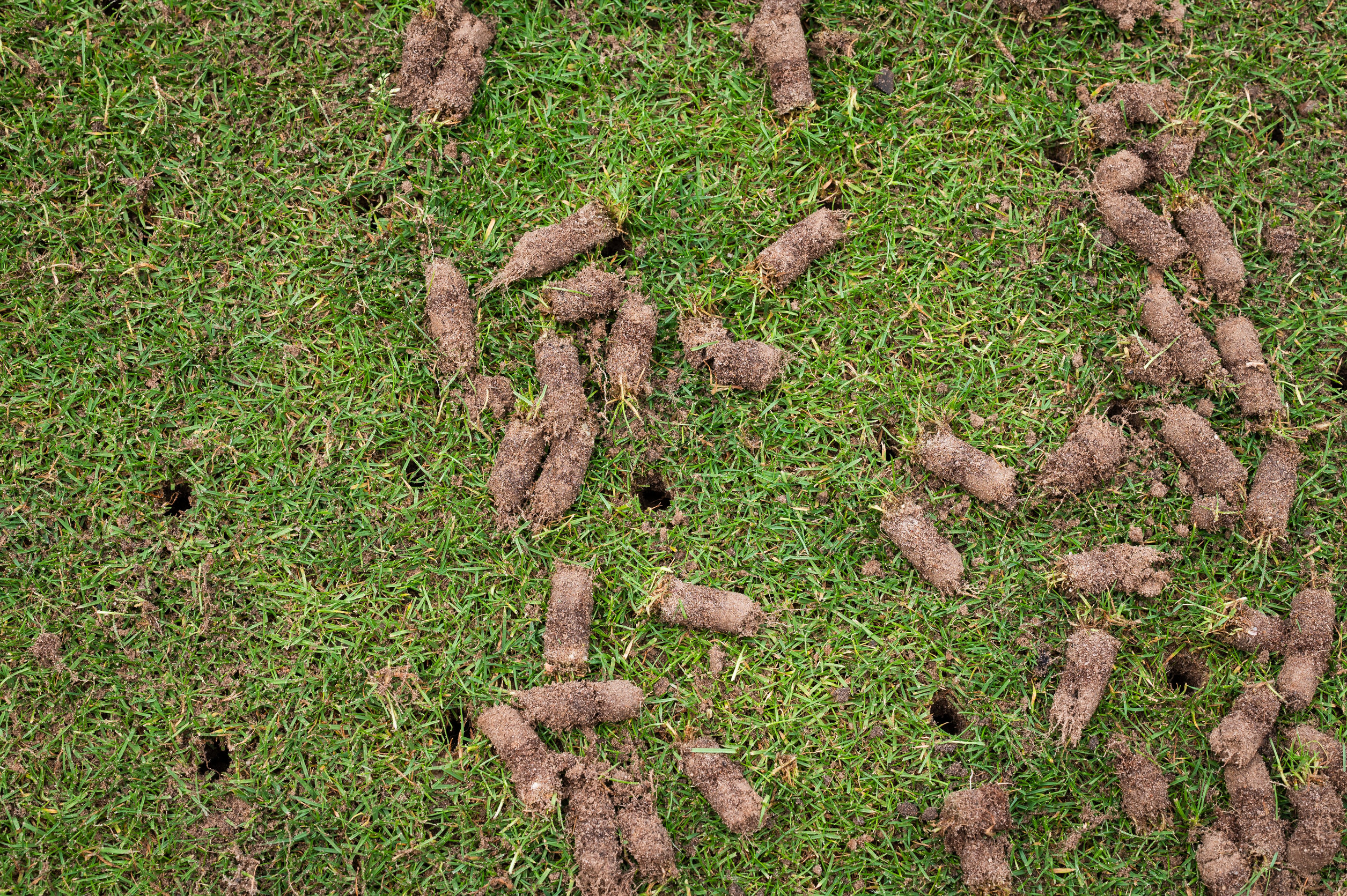
Compacted soil limits the movement of water, oxygen, and nutrients.
Core aeration relieves compaction by removing small plugs of soil, allowing roots to expand more easily.
Benefits include:
Although aeration does not eliminate pests, it creates growing conditions that help lawns recover more effectively after damage occurs.
Watering remains important—but only when done correctly.
Healthy lawns generally benefit from deep, infrequent watering rather than frequent shallow irrigation.
Deep watering encourages roots to grow farther into the soil, making grass more resilient against drought, summer heat, and minor insect feeding.
Morning watering also reduces evaporation while minimizing disease risks associated with prolonged moisture overnight.
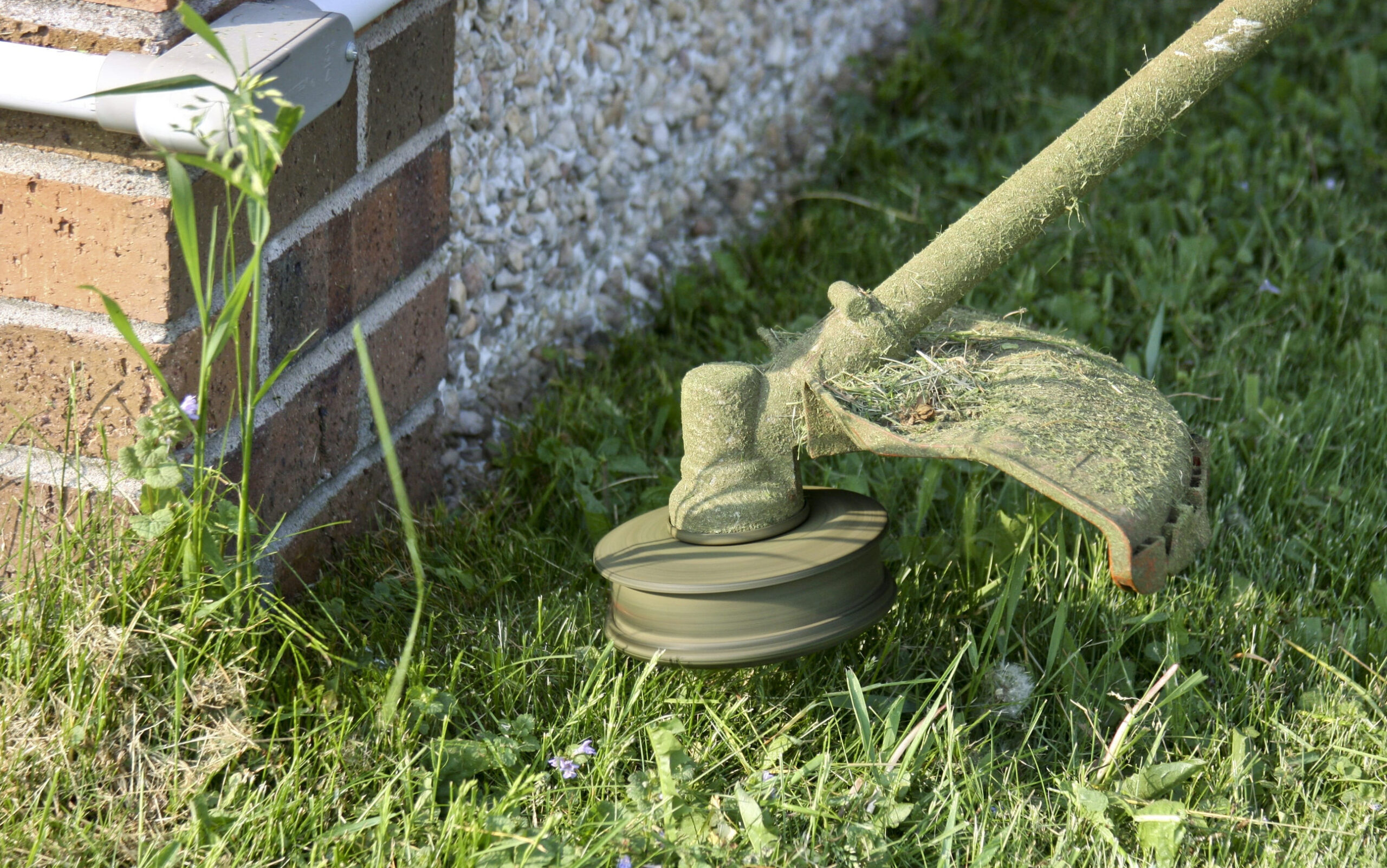
Grass that is consistently cut too short experiences unnecessary stress.
Longer grass blades:
Sharp mower blades are equally important because clean cuts heal faster than torn grass tips.
Proper fertilization provides nutrients that support vigorous growth.
A thick, healthy lawn is often better able to recover from insect feeding than weak or nutrient-deficient turf.
Applying fertilizer according to seasonal needs helps maintain:
Balanced fertilization also complements overseeding and aeration programs.
Consistent maintenance helps homeowners identify developing problems before they become severe.
Routine services may include:
Regular visits allow changing lawn conditions to be observed throughout the growing season rather than only after visible damage appears.
While no lawn is completely immune to insects, maintaining healthy growing conditions often reduces the severity of pest-related problems.
Good lawn care practices include:
Combined, these practices encourage thicker turf that can better withstand environmental pressures.
Every lawn faces unique challenges depending on soil conditions, shade, drainage, weather, and seasonal changes.
RJ3 Property Maintenance provides comprehensive lawn care and property maintenance services designed specifically for homeowners throughout the Brainerd Lakes Area. Services include lawn mowing, aeration, overseeding, mulch installation, shrub trimming, seasonal cleanup, landscaping, paver path installation, home and cabin maintenance, snow removal, and more.
Maintaining healthy turf throughout the year not only improves curb appeal but also helps reduce stress caused by insects, weeds, and changing environmental conditions.
Whether your lawn is recovering from pest activity or you’re looking to prevent future problems, consistent maintenance creates the strongest foundation for long-term lawn health.
Lawn pests may be small, but the damage they cause can become significant if left unchecked. Brown patches, thinning grass, and weakened roots are often symptoms of a larger issue developing beneath the surface.
By understanding common lawn pests, recognizing the warning signs early, and maintaining healthy turf through proper mowing, watering, aeration, and seasonal care, homeowners can help protect one of the most visible and valuable parts of their property.
A healthy lawn isn’t just more attractive—it is better equipped to withstand the challenges that each Minnesota growing season brings.
RJ3 Property Maintenance
11189 Sleepy Hollow Drive
Brainerd, MN 56401
Phone: (218) 576-4992
Email: info@rj3pm.com
Website: https://rj3pm.com
RJ3 Property Maintenance proudly serves Brainerd, Baxter, Nisswa, Crosslake, Pillager, Merrifield, Deerwood, Crosby, Pequot Lakes, Little Falls, and surrounding Central Minnesota communities with professional lawn care, landscaping, seasonal cleanup, and property maintenance services.