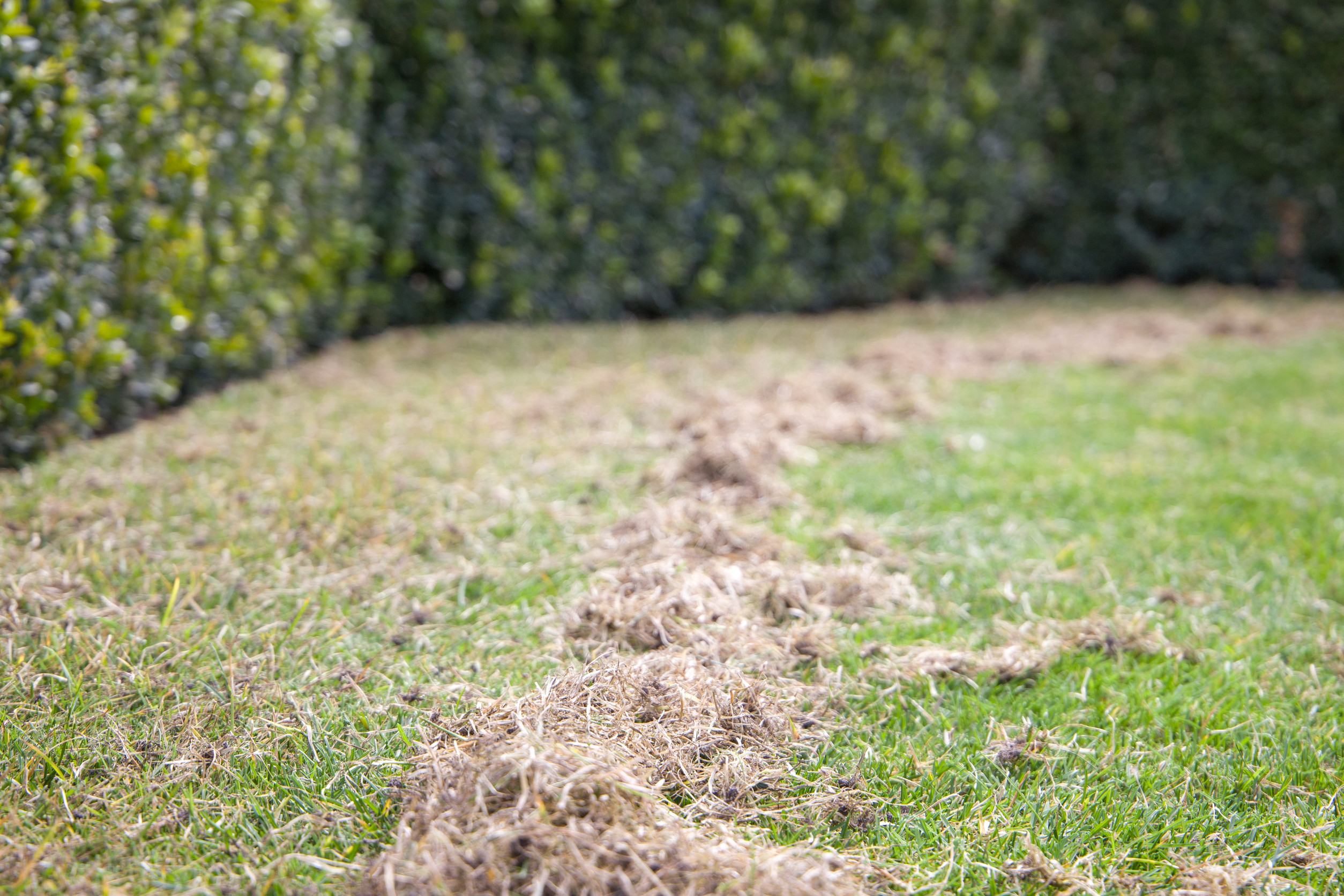

You might water faithfully, mow on schedule, and even overseed regularly — but if your soil isn’t balanced, your lawn will never reach its full potential. Soil health influences everything from nutrient availability and moisture retention to root strength and disease resistance. Without knowing what’s happening below the surface, even the best lawn care routines can fall short.
Conducting a soil health check provides insights that empower smarter decisions, targeted treatments, and long-term lawn vitality. For Brainerd Lakes Area lawns — where soil types and nutrient needs vary — understanding soil conditions can be the difference between a patchy yard and a truly thriving landscape.
Soil isn’t just dirt. It is a living ecosystem that supplies grass with essential nutrients and supports root development. Factors like pH, organic matter content, and nutrient levels directly affect how well your lawn thrives.
A soil test reveals critical information, including:
Many homeowners underestimate how much soil condition impacts lawn health. Here are compelling reasons to prioritize soil testing:
1. Reveals Nutrient Imbalances
Certain nutrients may be in excess or deficiency, leading to weak growth or disease susceptibility. A soil test shows these levels clearly so you can correct them strategically.
2. Helps Correct pH Issues
Soil pH affects nutrient availability. When pH is too acidic or too alkaline, your grass may struggle to absorb nutrients even if they are present. Testing tells you exactly what your soil needs.
3. Saves You Time and Money
Rather than applying generic fertilizers and amendments, a soil test offers targeted recommendations — avoiding wasted products and unnecessary expenses.
4. Protects the Environment
Applying only what your lawn truly needs reduces fertilizer runoff into waterways, which is especially important in lake-rich regions like the Brainerd Lakes Area.
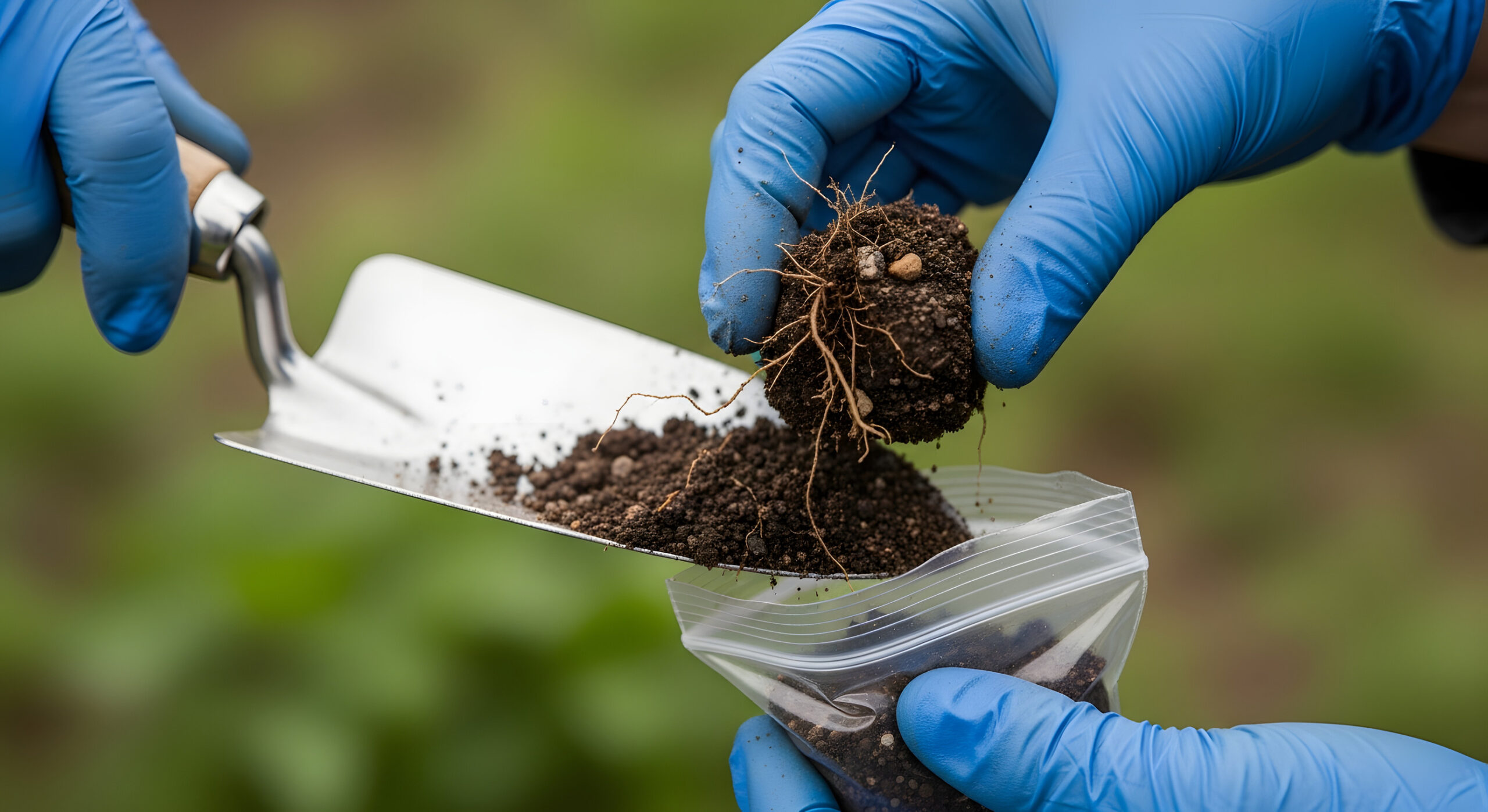
When you submit a soil sample to a reputable lab — such as the University of Minnesota Soil Testing Laboratory — the results include information on:
To get accurate results, collect soil samples from multiple areas of your yard. Experts suggest:
Following proper sampling techniques ensures the test reflects your lawn’s overall condition and guides effective care decisions.
Once you receive your soil test report:
Using data from a soil test makes every lawn care action you take more intelligent and effective.
Though soil testing can be done any time soil isn’t frozen, lawn professionals often recommend testing during periods when soil is workable. Results then inform spring fertilization, overseeding, and amendments — giving your lawn every advantage as the growing season returns.
Minnesota’s soils vary widely — from clay‐rich sections to sandy areas. That variability means a blanket lawn care approach isn’t effective everywhere. Working with local insight and soil test results allows you to align your lawn care practices with the specific needs of your soil, not just general guidelines.
RJ3 Property Maintenance
11189 Sleepy Hollow Drive
Brainerd, MN 56401
Phone: (218) 576-4992
Email: info@rj3pm.com
RJ3 Property Maintenance offers expert lawn care and property maintenance services throughout the Brainerd Lakes Area, helping homeowners optimize lawn health from the ground up with soil-informed strategies.