

A thin, patchy lawn can make an otherwise well-maintained Minnesota property look tired. Bare areas also leave room for weeds to establish, while weak turf may struggle to recover from summer heat, heavy foot traffic, winter damage, pests, or other stresses.
Reseeding can help restore density and encourage a healthier lawn, but spreading grass seed at the wrong time can produce disappointing results. In Minnesota, timing matters considerably because new grass has a relatively short growing season in which to germinate, develop roots, and become established before winter.
So, when is the best time to reseed your lawn in Minnesota?
For most Minnesota lawns, late summer into early fall is the best time to reseed, with August and September providing particularly favorable conditions. University of Minnesota Extension identifies late summer as the preferred period for establishing grass from seed, although exact timing can vary depending on weather, location, grass species, and the condition of the lawn.
Understanding why this window works—and what you should do before and after seeding—can make the difference between scattered new grass and a thicker, healthier lawn.
Cool-season grasses usually make up Minnesota lawns. These grasses perform best when temperatures are moderate rather than during the hottest portion of summer.
Late summer provides several advantages for new grass seed.
The intense heat of July is beginning to fade, but the soil is still warm from summer. Warm soil encourages seed germination, while increasingly moderate air temperatures reduce stress on tender seedlings.
Late summer also gives young grass time to begin developing before Minnesota’s freezing winter temperatures arrive.
For homeowners in Brainerd, Baxter, Nisswa, Crosslake, and surrounding Central Minnesota communities, this makes August and early September an especially important period on the lawn-care calendar.
Weather is never completely predictable, however. A particularly hot August, extended drought, unusually early frost, or excessive rainfall can affect the ideal reseeding date. Rather than relying exclusively on a calendar date, consider current lawn and weather conditions as well.
The terms reseeding and over-seeding are frequently used interchangeably, but they can describe slightly different projects.
over-seeding generally means spreading grass seed over an existing lawn to improve turf density. Most of the lawn remains intact, but additional seed helps fill thin areas and encourage a more uniform appearance.
Reseeding can refer more broadly to adding new seed to damaged, bare, or thin portions of a lawn. A severely deteriorated lawn may require more extensive preparation than a healthy lawn that simply needs additional density.
Both approaches depend on one essential principle: grass seed needs adequate contact with the soil to establish successfully.
Simply throwing seed over thick thatch, compacted ground, leaves, or existing dense turf may result in poor germination.
Minnesota has a dramatically different lawn-care calendar than warmer parts of the country.
Central Minnesota properties experience conditions that can include:
These seasonal changes affect when grass can successfully germinate and establish.
Seeding too early in spring can expose a project to cold, wet conditions. Waiting until midsummer may subject new seedlings to intense heat and greater moisture demands. Waiting too long into fall can leave young grass without enough time to establish before winter.
Late summer provides a valuable middle ground.
Yes, spring reseeding is possible, but it generally isn’t the preferred window when you have the flexibility to choose.
Spring may make sense when winter has left obvious bare patches or a lawn needs immediate repair. Grass seed can germinate as temperatures rise, particularly when moisture conditions are favorable.
However, spring-seeded grass soon faces summer.
Young turf that has only recently developed roots can encounter hot weather before becoming fully established. Spring lawn projects may also coincide with weed germination, creating additional competition for sunlight, nutrients, moisture, and space.
There is another practical consideration: certain weed-control products can interfere with grass-seed germination. When reseeding is part of a broader spring lawn-care program, product labels and timing need to be considered carefully.
Spring can therefore be an acceptable reseeding period under the right conditions, but late summer usually offers a more favorable combination of warm soil and moderate temperatures.
The middle of summer is generally a challenging time to establish new grass in Minnesota.
Grass seed and newly emerged seedlings require consistent moisture. During hot, dry weather, the soil surface can dry quickly, increasing the amount of attention required to keep newly seeded areas adequately moist.
Existing lawns can also experience summer stress. Adding vulnerable new seedlings during periods of extreme heat can make successful establishment more difficult.
If a bare area must be repaired during summer, careful watering becomes especially important. For a larger over-seeding or lawn renovation project, waiting for the late-summer seeding window will often provide better growing conditions.
Yes.
One of the most common lawn-seeding mistakes is waiting until late fall and expecting new grass to establish before winter.
Grass needs more than germination. Young plants need an opportunity to develop roots and become established.
As temperatures decline, grass growth slows. Seed planted too late may germinate without having adequate time to develop before freezing conditions arrive.
This doesn’t mean grass seed can never be applied later in the year. Minnesota also has a technique known as dormant seeding, in which seed is applied after conditions have become cold enough to prevent immediate germination. The seed remains in place over winter and germinates when favorable conditions return.
Dormant seeding is different from conventional fall over-seeding and needs to be timed accordingly.
Not every lawn needs to be over-seeded every year. The condition of the turf should guide the decision.
Reseeding may be worth considering when you notice:
A lawn may remain green but lack density. over-seeding can introduce new plants into thinner areas and help develop a fuller turf canopy.
Bare areas may result from winter damage, pet activity, heavy traffic, construction, pests, disease, drought, or other stresses.
Before reseeding, determine why the grass disappeared. Adding new seed without correcting the underlying problem may only produce temporary results.
Weeds frequently take advantage of open spaces in a lawn. Improving turf density can be one part of a long-term approach to limiting opportunities for weeds.
Children, pets, outdoor entertaining, equipment, and repeated walking patterns can gradually thin grass in high-use areas.
Heat and insufficient rainfall can leave some lawns noticeably thinner by August. Late-summer reseeding can help restore damaged areas as conditions become more favorable.
Snow, ice, freeze-thaw conditions, and other winter stresses can leave patches that become visible once the lawn begins growing in spring.
Compacted soil is another obstacle to healthy turf.
Over time, regular foot traffic, equipment, and normal property use can compact soil, reducing the movement of water, oxygen, and nutrients into the root zone.
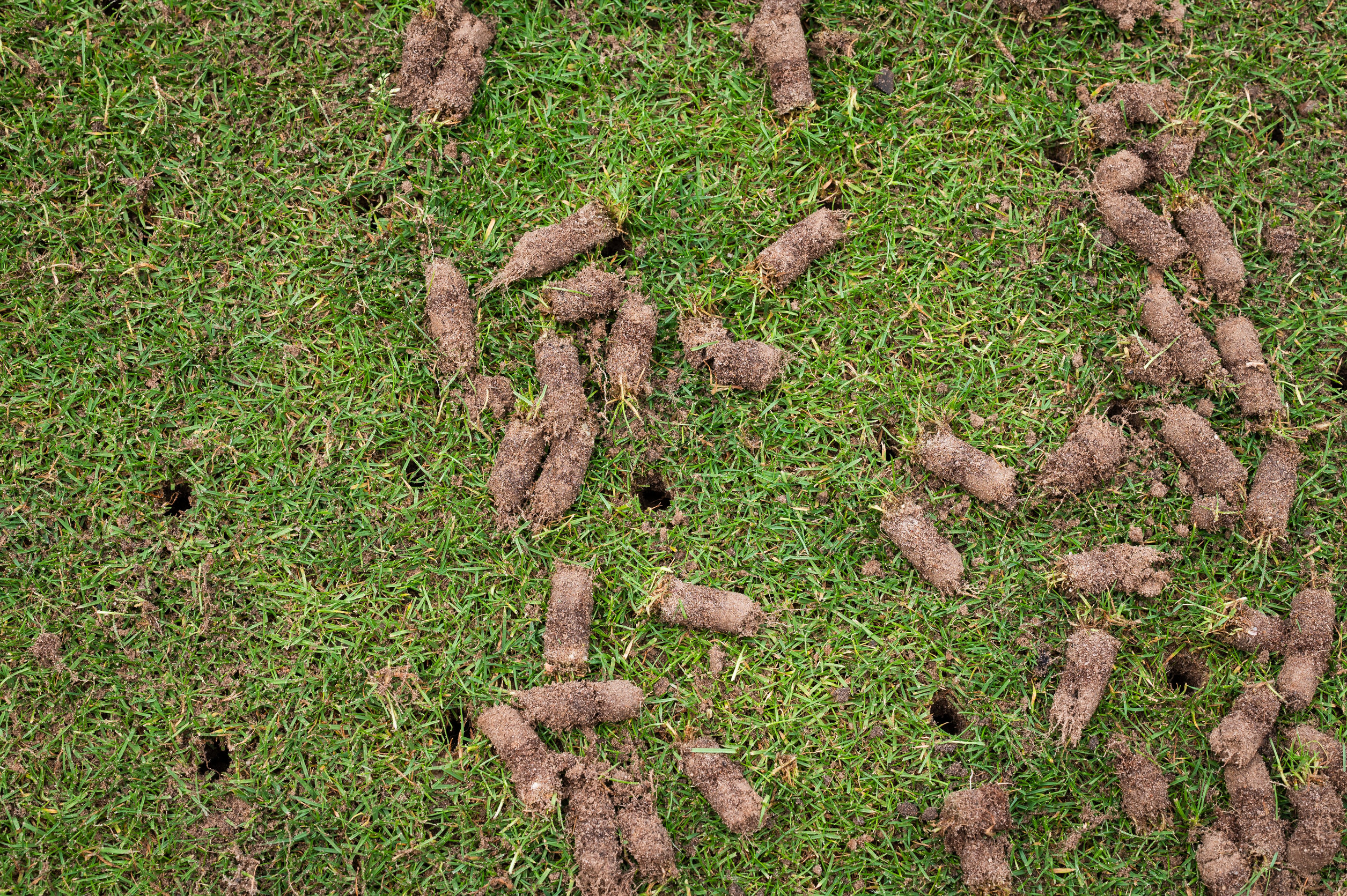
Core aeration removes small plugs of soil from the lawn. The resulting openings can help relieve compaction while improving access to the soil surface.
That makes aeration and over-seeding a natural combination for some lawns.
When grass seed is applied around the time of aeration, some seed can reach exposed soil rather than resting entirely on existing grass or accumulated organic material.
RJ3 Property Maintenance lists aeration and over-seeding among its property-maintenance capabilities, making the topic especially relevant for homeowners looking at ways to improve lawn density as part of a broader seasonal maintenance plan.
Good preparation can dramatically affect the success of a reseeding project.
Start by mowing the existing grass to an appropriate height. Excessively tall turf can prevent seed from reaching the soil and compete with emerging seedlings for sunlight.
Remove leaves, sticks, excessive dead material, and other debris from areas being seeded.
Bare areas may benefit from light raking to loosen the surface. The goal is to create better seed-to-soil contact without unnecessarily disturbing healthy portions of the lawn.
If the soil is heavily compacted, aeration may be appropriate.
For persistent lawn problems, a soil test can also provide useful information. Soil conditions influence nutrient availability and turf performance, and guessing at amendments isn’t as useful as understanding what the soil actually needs.
Grass selection is another important part of successful reseeding.
Minnesota lawns commonly use cool-season turf grasses such as:
There isn’t one universally perfect seed for every property.
A sunny, high-use lawn may have different requirements than a shaded cabin property surrounded by mature trees. Soil characteristics, irrigation, maintenance expectations, sunlight, and existing grass should all influence seed selection.
Homeowners should also pay attention to seed labels rather than purchasing solely on price. Knowing which grass species are included in the mix provides a better idea of how the finished lawn is likely to perform.
Water management is one of the most important parts of lawn reseeding.
Grass seed needs consistent moisture during germination. If the seedbed repeatedly dries out during this stage, establishment can suffer.
That doesn’t mean the lawn should be flooded.
The objective during germination is generally to keep the surface consistently moist without creating standing water, runoff, or erosion. Light, appropriately timed irrigation may be needed more frequently during this initial period than it would be for an established lawn.
As seedlings develop and roots extend farther into the soil, watering practices can gradually transition toward deeper, less frequent irrigation.
Weather should always influence the schedule. Rainfall may reduce or eliminate the need for supplemental watering on a given day, while warm and windy conditions may dry the soil more quickly.
Newly germinated grass needs time to establish before being subjected to regular lawn traffic and mowing.
Allow seedlings to develop sufficiently before the first cut, and avoid removing too much of the grass blade at once.
RJ3’s lawn-care guidance recommends following the general one-third rule for established turf: avoid cutting more than approximately one-third of the grass blade in a single mowing.
Maintaining an appropriate mowing height supports healthy growth and helps prevent unnecessary stress on the lawn.
Even when the timing is right, several mistakes can reduce the effectiveness of a reseeding project.
Seed sitting on top of thick grass, leaves, or debris may never achieve sufficient soil contact.
Hot summer conditions increase moisture stress and make it harder for seedlings to establish.
Seedlings need time to develop before winter.
Consistent moisture is especially important during germination.
Too much water can cause runoff, move seed, saturate soil, or contribute to other lawn problems.
If shade, drainage, compaction, pests, or another underlying condition caused the original damage, reseeding alone may not solve it.
A grass mixture that isn’t appropriate for the site’s sunlight, soil, or intended use may struggle regardless of how carefully it is planted.
A thick Minnesota lawn isn’t created through a single seasonal treatment.
Long-term turf health depends on a combination of proper mowing, watering, soil conditions, aeration when appropriate, weed management, seasonal cleanup, and reseeding where needed.
Consistent maintenance is particularly important in the Brainerd Lakes Area, where lawns must recover from winter and then handle changing moisture and temperature conditions throughout a relatively short growing season.
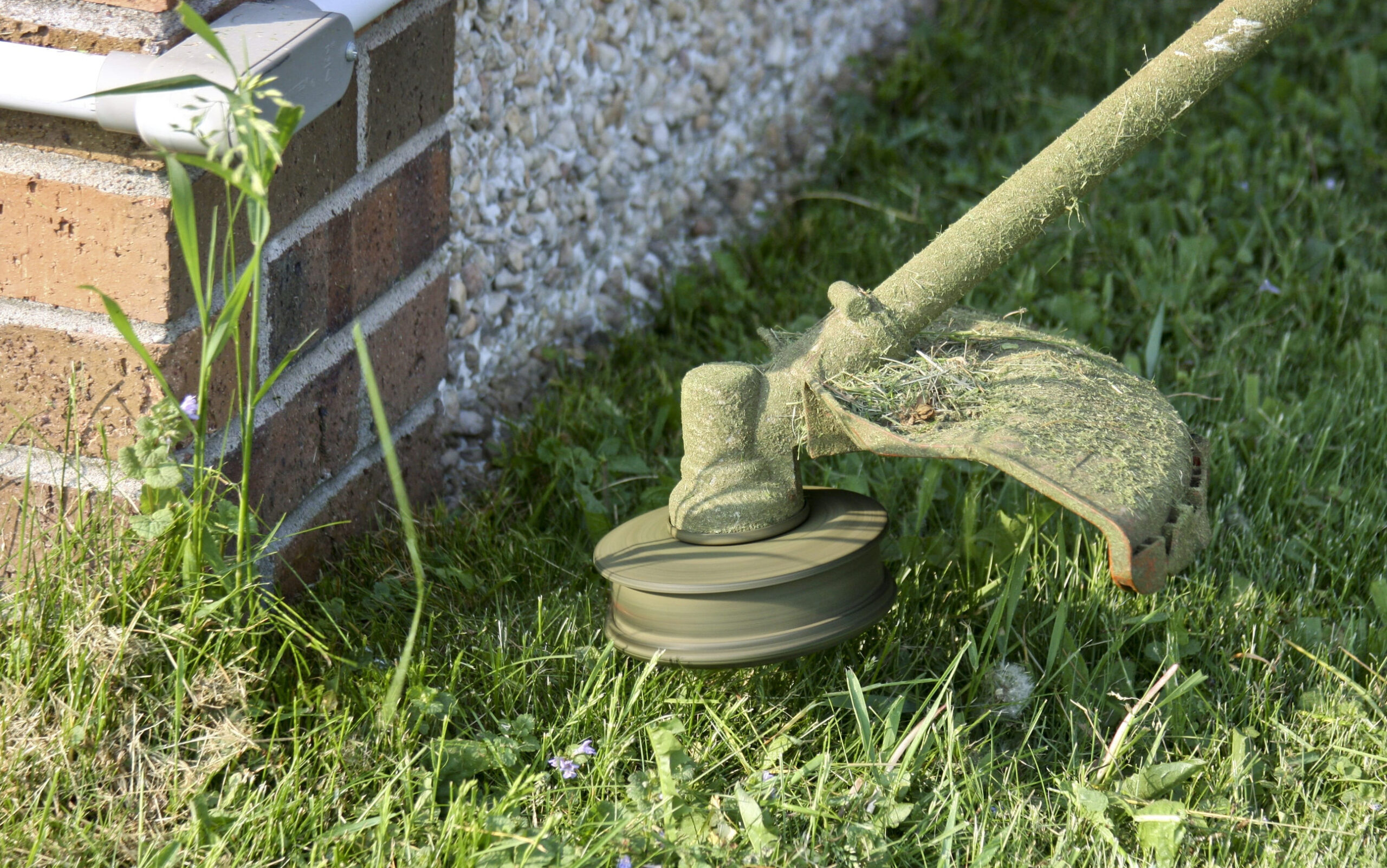
RJ3 Property Maintenance provides regular lawn care for properties throughout Brainerd, Baxter, Pillager, Nisswa, Lake Shore, Merrifield, Crosslake, Garrison, Crosby, Deerwood, Little Falls, and other nearby communities. Its lawn-care services include mowing, trimming, edging, and debris cleanup, while the company also provides additional property services such as aeration and over-seeding.
For most Minnesota homeowners, the simplest answer is late summer to early fall.
August into September generally offers the strongest combination of warm soil, cooler air temperatures, and remaining growing time before winter.
Spring can be used when repairs can’t wait, while dormant seeding provides another option once the growing season has ended. Mid-summer reseeding is generally more difficult because young grass must contend with heat and rapidly drying soil.
Most importantly, the calendar should be treated as a guide rather than the only factor.
Before reseeding, consider:
Taking those factors into account helps ensure reseeding addresses the actual needs of the property.
The best time to reseed a lawn in Minnesota is typically late summer into early fall, when conditions favor the cool-season grasses commonly found throughout the state.
For homeowners in the Brainerd Lakes Area, August and September provide an important opportunity to assess summer lawn damage, address thin or bare areas, consider aeration, and establish new grass before winter.
Timing alone won’t create a healthy lawn. Proper seed selection, soil preparation, seed-to-soil contact, watering, mowing, and ongoing maintenance all play important roles in successful establishment.
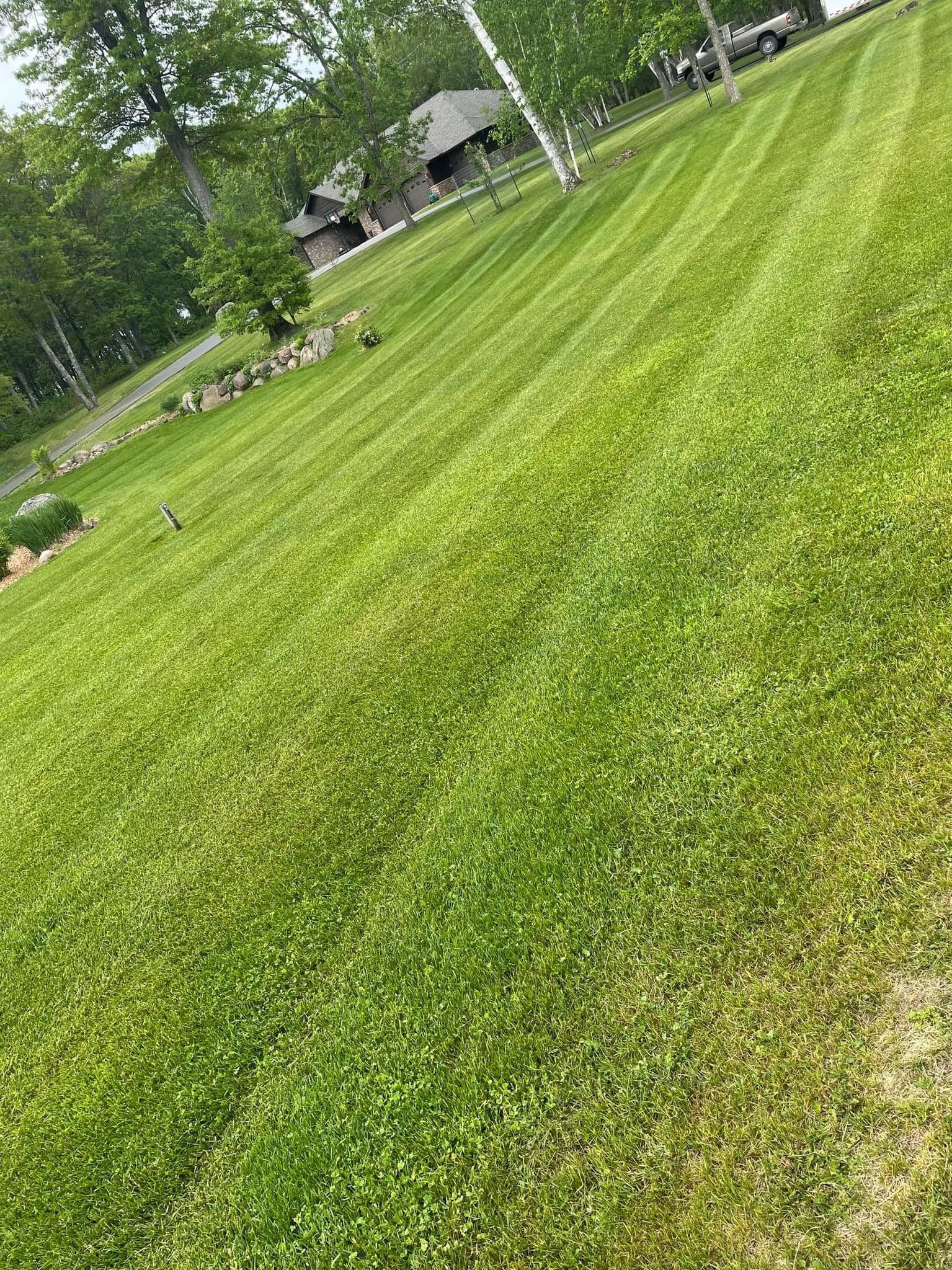
When those elements work together, reseeding can help turn a thin or stressed lawn into denser, healthier turf that is better prepared for Minnesota’s demanding seasons.
For questions about lawn care, aeration, over-seeding, landscaping, or seasonal property maintenance in the Brainerd Lakes Area:
RJ3 Property Maintenance
11189 Sleepy Hollow Drive
Brainerd, MN 56401
Phone: (218) 576-4992
Email: info@rj3pm.com
Website: https://rj3pm.com
RJ3 Property Maintenance serves Brainerd, Baxter, Pillager, Nisswa, Lake Shore, Merrifield, Crosslake, Garrison, Crosby, Deerwood, Little Falls, and other surrounding Central Minnesota communities.