
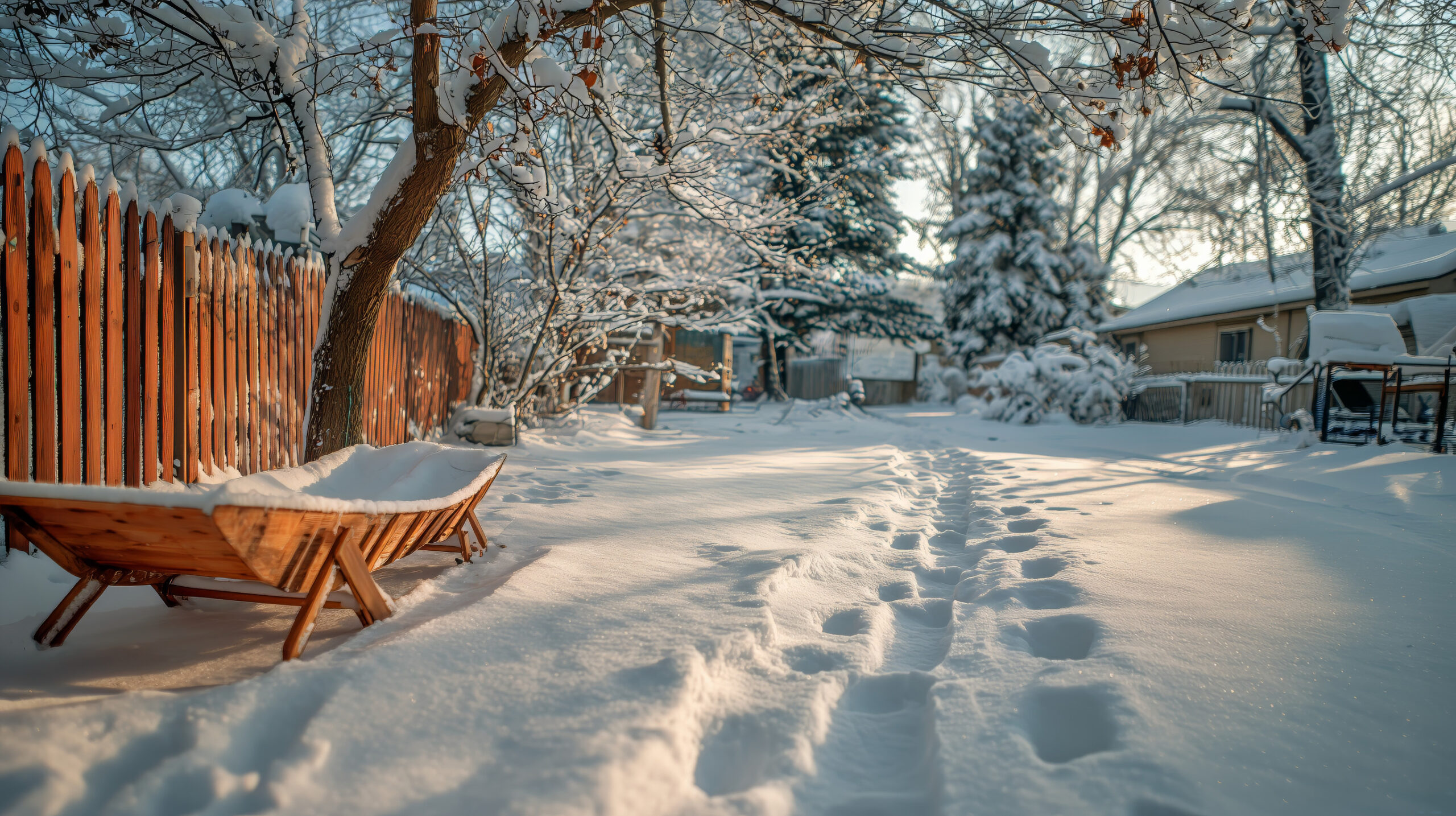
Once snow settles in for an extended period, lawns become sealed beneath a heavy, insulating layer. While snow provides some protection from extreme cold, it also traps moisture, blocks airflow, and limits light exposure.
Any imbalance present before snow arrives—such as excess debris, tall grass, or compacted soil—becomes magnified during this time. Proper preparation helps lawns withstand months of coverage and emerge healthier when snow finally melts.
Extended snow cover creates conditions that stress grass plants:
Grass that enters snow cover weakened or matted is more susceptible to disease and crown damage.
Snow mold develops under long-lasting snow when turf remains damp and compressed. It often appears in spring as circular patches of discolored grass.
Contributing factors include:
Preventive care before snow arrives dramatically reduces snow mold risk.
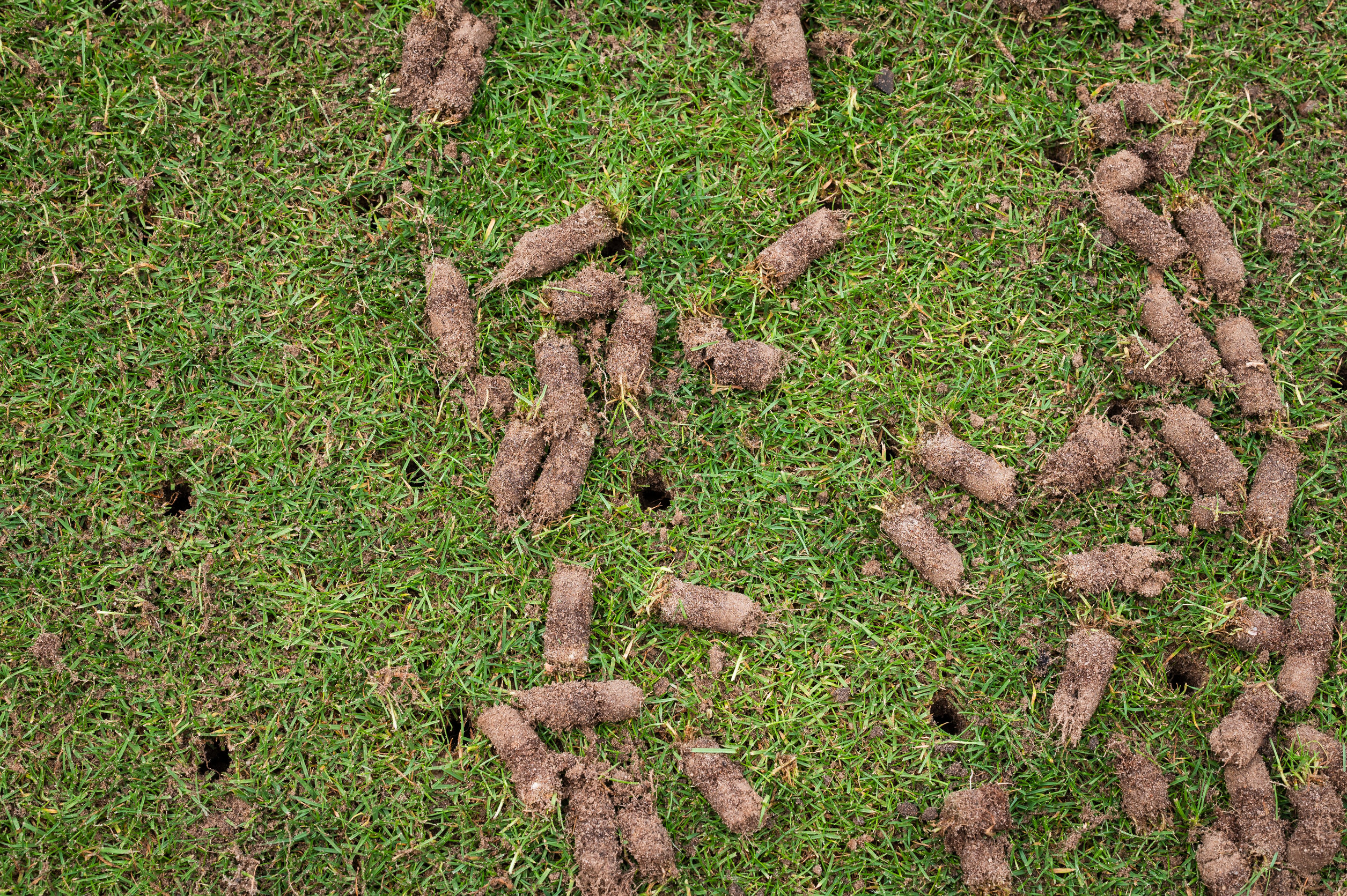
Debris left on turf becomes trapped beneath snow, creating ideal conditions for disease and decay.
Removing:
improves airflow and reduces moisture buildup beneath the snowpack.
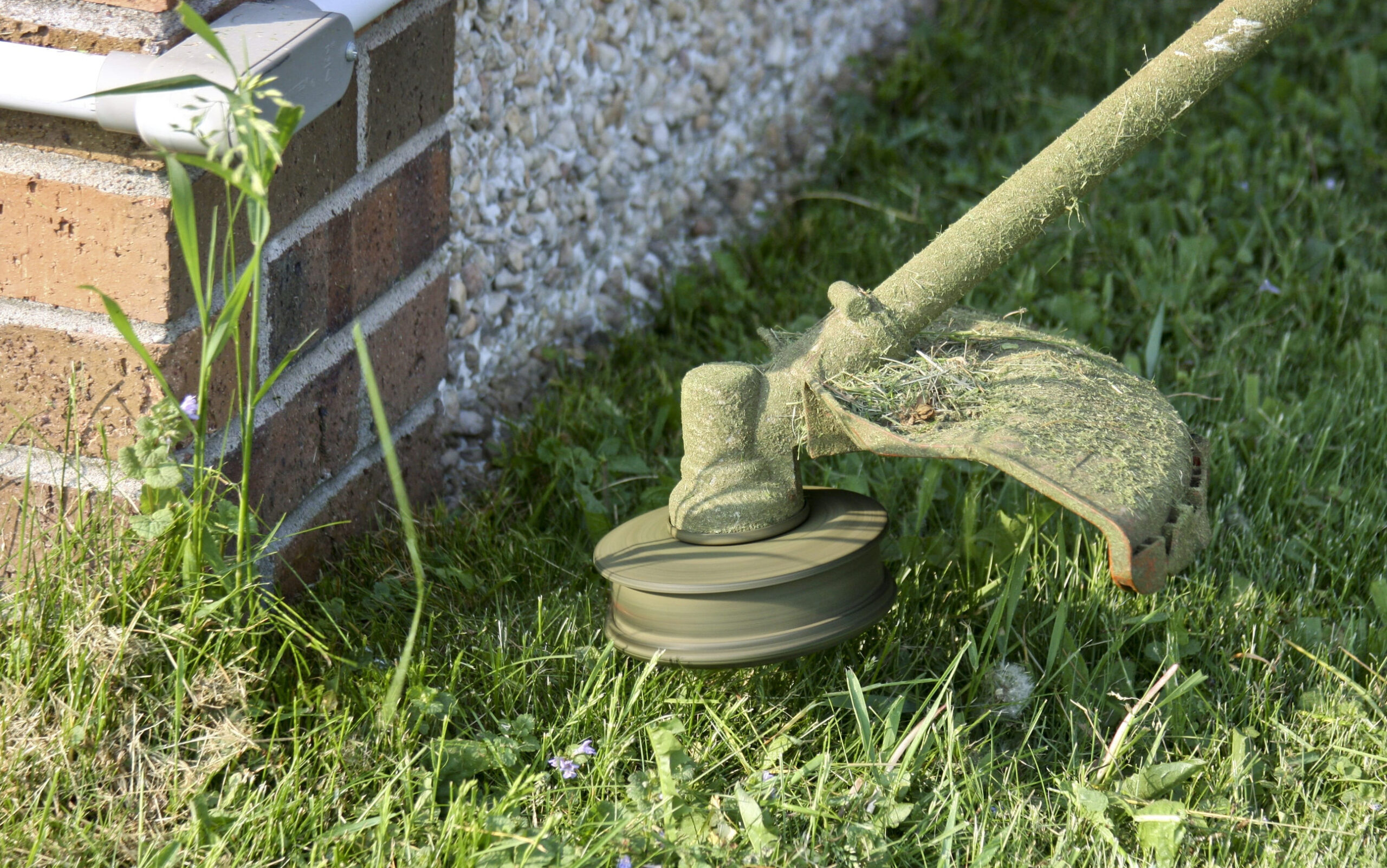
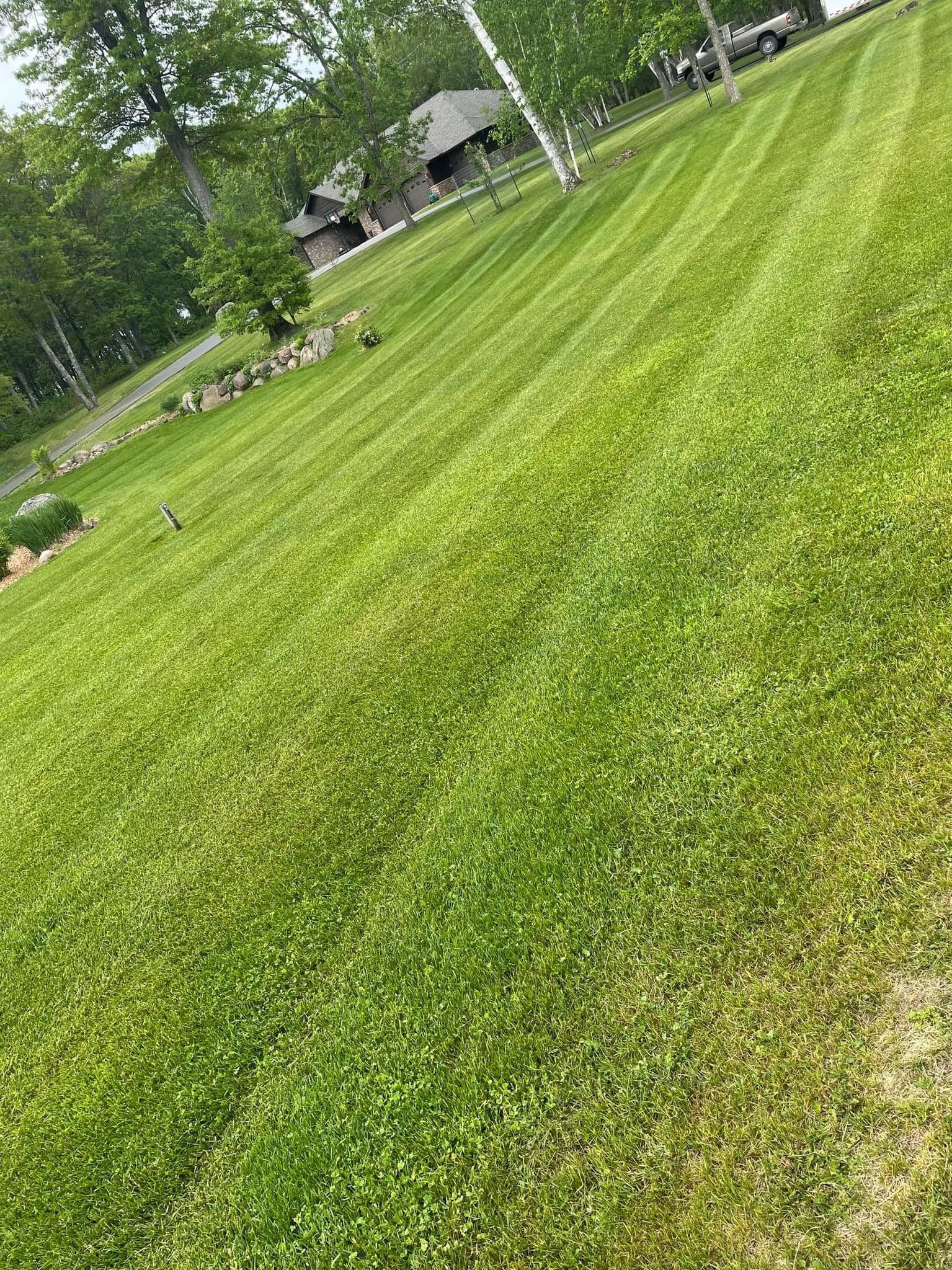
Grass should be maintained at an appropriate height before snow becomes consistent. Too tall, and grass mats down; too short, and crowns lose protection.
Balanced turf height supports:
Seasonal and lakefront properties may remain unattended once snow arrives. Without proper preparation, damage can accumulate unnoticed.
Professional maintenance ensures lawns are stabilized before snow cover, protecting turf health throughout winter.
RJ3 Property Maintenance
11189 Sleepy Hollow Drive
Brainerd, MN 56401
Phone: (218) 576-4992
Email: info@rj3pm.com