
A lush, green lawn is often one of the most noticeable features of a well-maintained property. Whether it’s a residential home, seasonal cabin, or lakefront property, healthy turf contributes significantly to curb appeal and overall landscape appearance. Unfortunately, many homeowners throughout the Brainerd Lakes area encounter a common lawn care challenge during the summer months: dry patches.
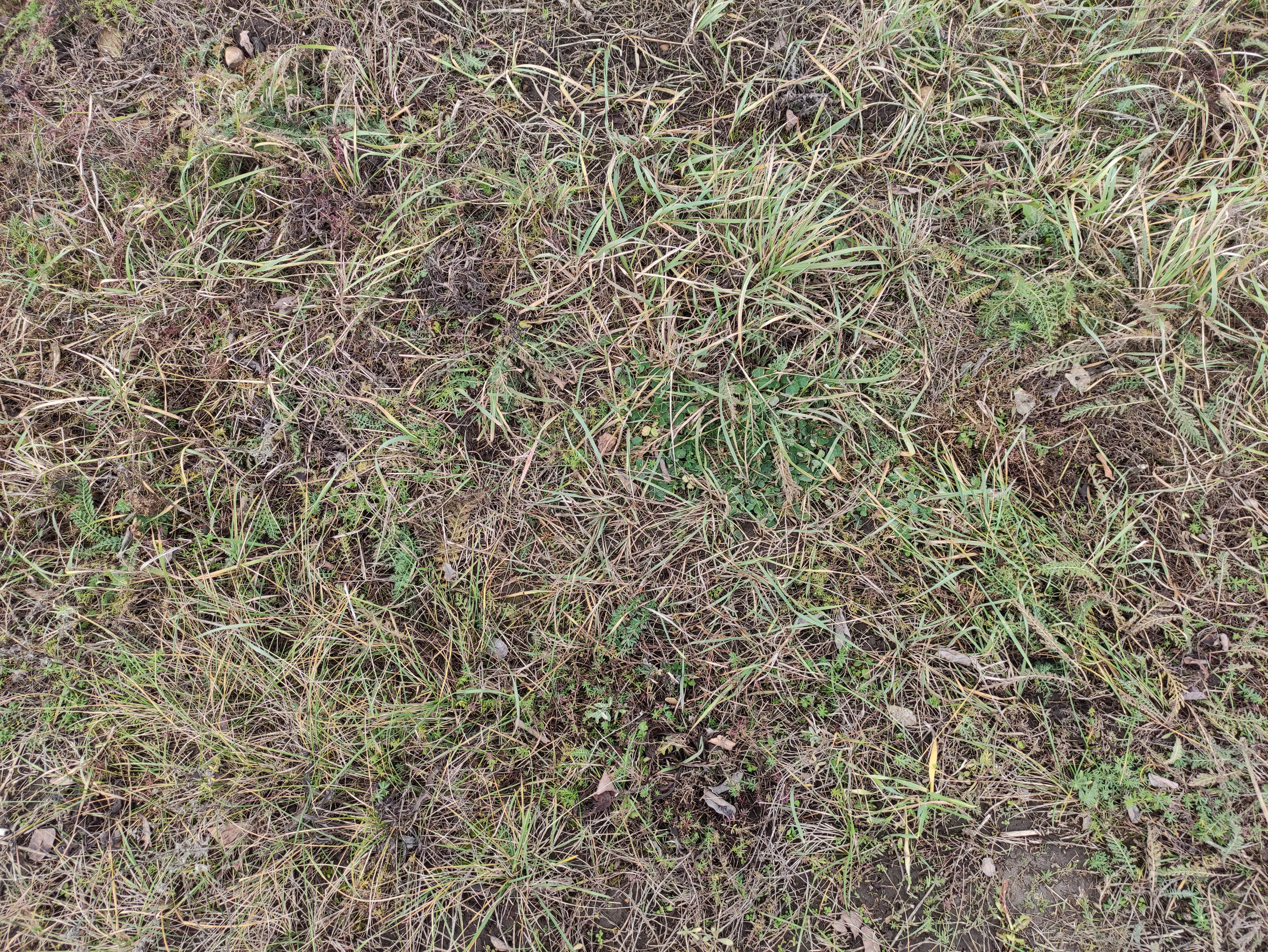
Dry patches can appear suddenly or develop gradually over time. They often begin as small discolored spots before expanding into larger areas of stressed or dead grass. While these patches may seem like a simple cosmetic issue, they are often symptoms of underlying lawn health problems that require attention.
The good news is that most dry patches can be repaired successfully when homeowners identify the cause and implement the proper lawn care practices. Understanding how to diagnose, repair, and prevent dry spots can help restore a healthier lawn and improve long-term turf performance.
Before beginning any lawn repair project, it is important to understand why dry patches occur.
Several factors can contribute to dry areas in Minnesota lawns.
Many properties throughout the Brainerd Lakes area are built on sandy soils that drain quickly.
While good drainage can prevent standing water, sandy soil often struggles to retain:
As a result, lawns may dry out faster during warm weather.
Periods of high temperatures and limited rainfall place significant stress on grass.
Without adequate moisture, turf may:
Compacted soil restricts the movement of:
Grass growing in compacted areas often struggles to establish healthy root systems.
Pet urine can create concentrated areas of nitrogen and salts that damage turf.
These spots often appear as circular brown patches surrounded by darker green grass.
Cutting grass too short exposes the soil to sunlight and increases moisture loss.
Scalped lawns are more vulnerable to heat stress and dry patch development.
Certain fungal diseases can create areas of thinning or dead grass that resemble drought damage.
Proper diagnosis is important before applying treatments.
Not all dry patches require the same solution.
Before making repairs, inspect the affected area carefully.
Ask the following questions:
Identifying the root cause helps ensure the repair process addresses the actual problem rather than simply treating symptoms.
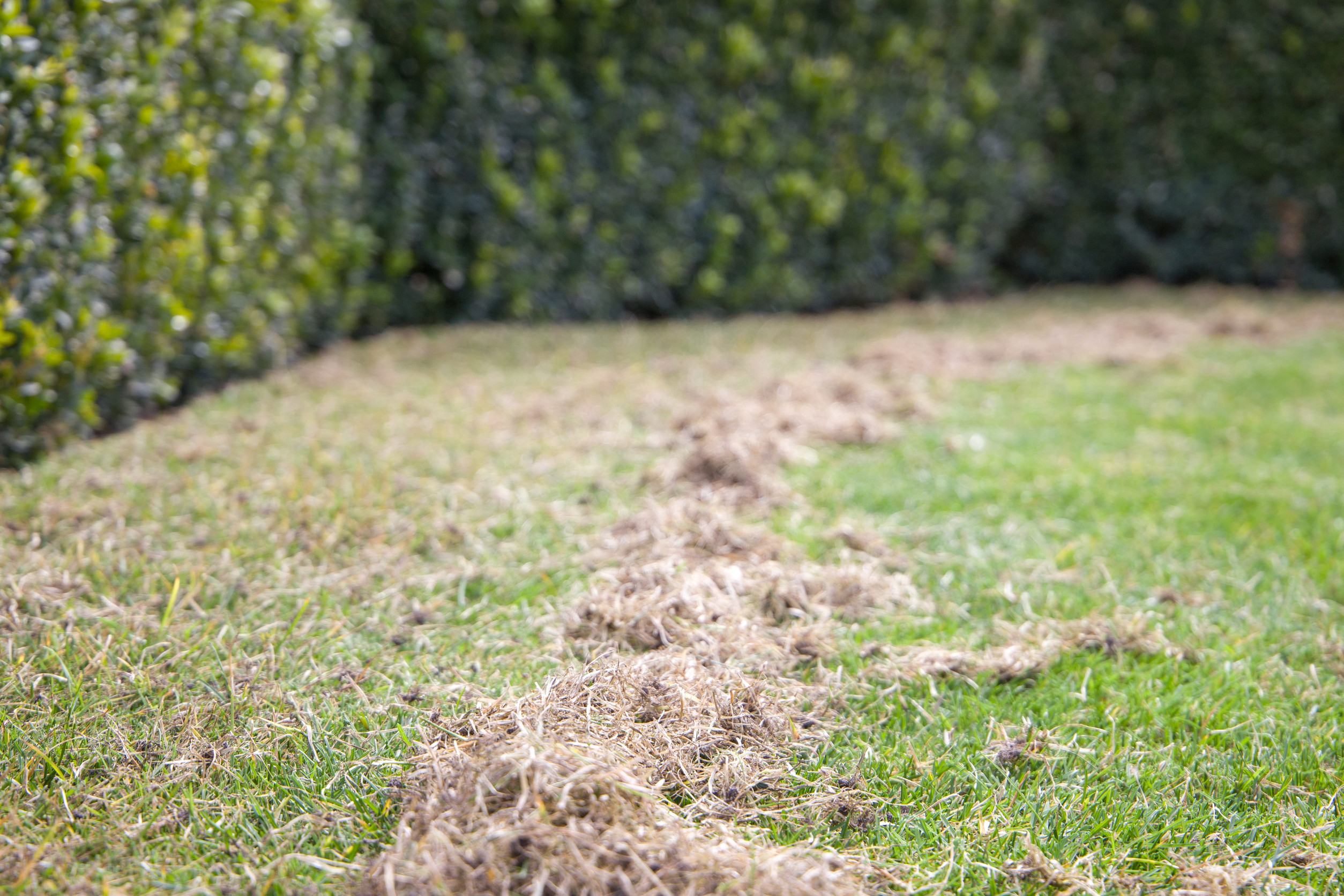
The first step in repairing a dry patch is clearing away damaged turf.
Use a rake or dethatching tool to remove:
Removing dead material improves seed-to-soil contact and allows new grass to establish more effectively.
It also helps improve airflow and moisture penetration.
Healthy grass roots require loose, well-aerated soil.
If the soil beneath the patch feels compacted, loosen it using:
Loosening the soil improves root development and creates better growing conditions for new grass.
For larger areas, professional aeration services may be beneficial.
One of the most overlooked steps in lawn repair is improving soil health.
Adding organic matter helps sandy soils retain moisture and nutrients more effectively.
Common soil amendments include:
Improved soil structure supports stronger root systems and healthier turf growth.
Choosing the appropriate grass seed is critical for successful lawn repair.
For the Brainerd Lakes area, common cool-season grass options include:
Many lawn repair projects benefit from seed blends that combine multiple grass varieties.
Spread seed evenly across the repaired area.
After application:
Proper seed placement improves germination and establishment.
Watering is one of the most important aspects of successful lawn repair.
New seed requires consistent moisture during establishment.
Keep the soil surface moist but not saturated.
As seedlings emerge, gradually transition to deeper, less frequent watering.
This encourages stronger root development and improves drought resistance.
Repairing a lawn is only part of the solution. Preventing future problems is equally important.
During summer, grass should generally be maintained between 3 and 4 inches.
Taller grass:
Never remove more than one-third of the grass blade during a single mowing session.
This helps minimize stress and maintain healthy growth.
Many dry patches result from inefficient irrigation.
Deep watering encourages roots to grow deeper into the soil.
Morning watering reduces evaporation and improves absorption.
Avoid watering schedules that ignore rainfall or changing temperatures.
Compaction is a common cause of recurring lawn problems.
Aeration helps:
Many Minnesota lawns benefit from annual aeration as part of a comprehensive lawn care program.
Healthy grass recovers more quickly from stress.
Proper fertilization supports:
Slow-release fertilizers often provide the most consistent results.
Avoid overfertilizing during periods of extreme summer heat.
Because sandy soils are common throughout the Brainerd Lakes region, long-term soil improvement is often necessary.
Strategies include:
These practices improve moisture retention and overall lawn performance.
Seasonal properties often experience unique lawn challenges.
Cabin lawns may develop dry patches due to:
Routine property maintenance helps ensure lawns remain healthy even when owners are away.
Some lawn problems require more than basic watering and reseeding.
Professional lawn care services can assist with:
Experienced lawn care professionals can often identify underlying causes that homeowners may overlook.
Repairing dry patches does more than improve appearance.
Healthy lawns provide:
A uniform green lawn enhances the overall look of the property.
Healthy grass is better able to resist weeds, drought, and disease.
Addressing small issues early often prevents larger repairs later.
Well-maintained landscapes contribute positively to overall property value.
Lawn repair is not simply about fixing a brown spot. It is about creating conditions that support healthy turf growth long-term.
By addressing soil health, improving watering practices, maintaining proper mowing habits, and selecting the right grass varieties, homeowners can create more resilient lawns capable of withstanding Minnesota’s challenging growing conditions.
For properties throughout the Brainerd Lakes area, proactive lawn care remains one of the most effective ways to maintain beautiful landscapes and protect curb appeal throughout the season.
RJ3 Property Maintenance
11189 Sleepy Hollow Drive
Brainerd, MN 56401
Phone: (218) 576-4992
Email: info@rj3pm.com
RJ3 Property Maintenance provides lawn care, landscaping, seasonal cleanup, snow removal, and property maintenance services throughout the Brainerd Lakes area, including Brainerd, Baxter, Pillager, Nisswa, Lake Shore, Merrifield, Crosslake, Garrison, Deerwood, Crosby, and Little Falls.