
Creating a visually appealing landscape in Minnesota requires more than simply planting grass and flowers. Homeowners throughout the Brainerd Lakes area are increasingly turning to rock gardens as a durable, low-maintenance landscaping solution that enhances curb appeal while complementing the natural beauty of the region.
Rock gardens combine stone, carefully selected plants, and strategic landscape design to create outdoor spaces that are both functional and attractive. In climates like Minnesota—where seasonal changes, soil erosion, and drainage challenges can impact traditional landscaping—rock gardens provide long-term benefits that go beyond appearance alone.
Whether incorporated into a front yard, around walkways, near patios, or along sloped areas of a property, rock gardens create texture, structure, and visual contrast that help landscapes stand out year-round.
This guide explores the benefits of rock gardens, current landscaping trends, and how homeowners can design rock gardens that improve curb appeal while supporting long-term landscape health.
Rock gardens have become increasingly popular in residential landscaping because they offer a balance between aesthetics and practicality.
Unlike traditional flower beds that may require constant maintenance, watering, and seasonal replacement, rock gardens are designed to remain visually appealing with less ongoing upkeep.
In Minnesota, where weather conditions can vary dramatically between seasons, these benefits make rock gardens especially valuable for homeowners seeking sustainable landscaping solutions.
Landscaping in the Brainerd Lakes region often focuses on blending outdoor spaces with the surrounding natural environment. Rock gardens naturally complement Minnesota’s wooded areas, lakeside properties, and varied terrain.
Rock gardens perform well in areas where traditional landscaping may struggle due to:
By using stone and hardy plants, homeowners can create landscapes that remain stable and visually appealing through changing weather conditions.
Because rock gardens typically require less watering and maintenance than traditional lawns or flower beds, they align with modern sustainable landscaping practices.
Successful rock gardens begin with thoughtful planning. The design should complement the existing landscape while addressing practical needs such as drainage and maintenance.
Rock gardens work especially well in areas where grass growth is difficult or where erosion is a concern.
Popular locations include:
Choosing the right location helps ensure the rock garden integrates naturally with the rest of the property.
Some rock gardens are designed primarily for aesthetics, while others serve functional purposes such as drainage management or erosion control.
Clearly identifying the goal of the project helps guide decisions regarding stone selection, plant placement, and overall layout.
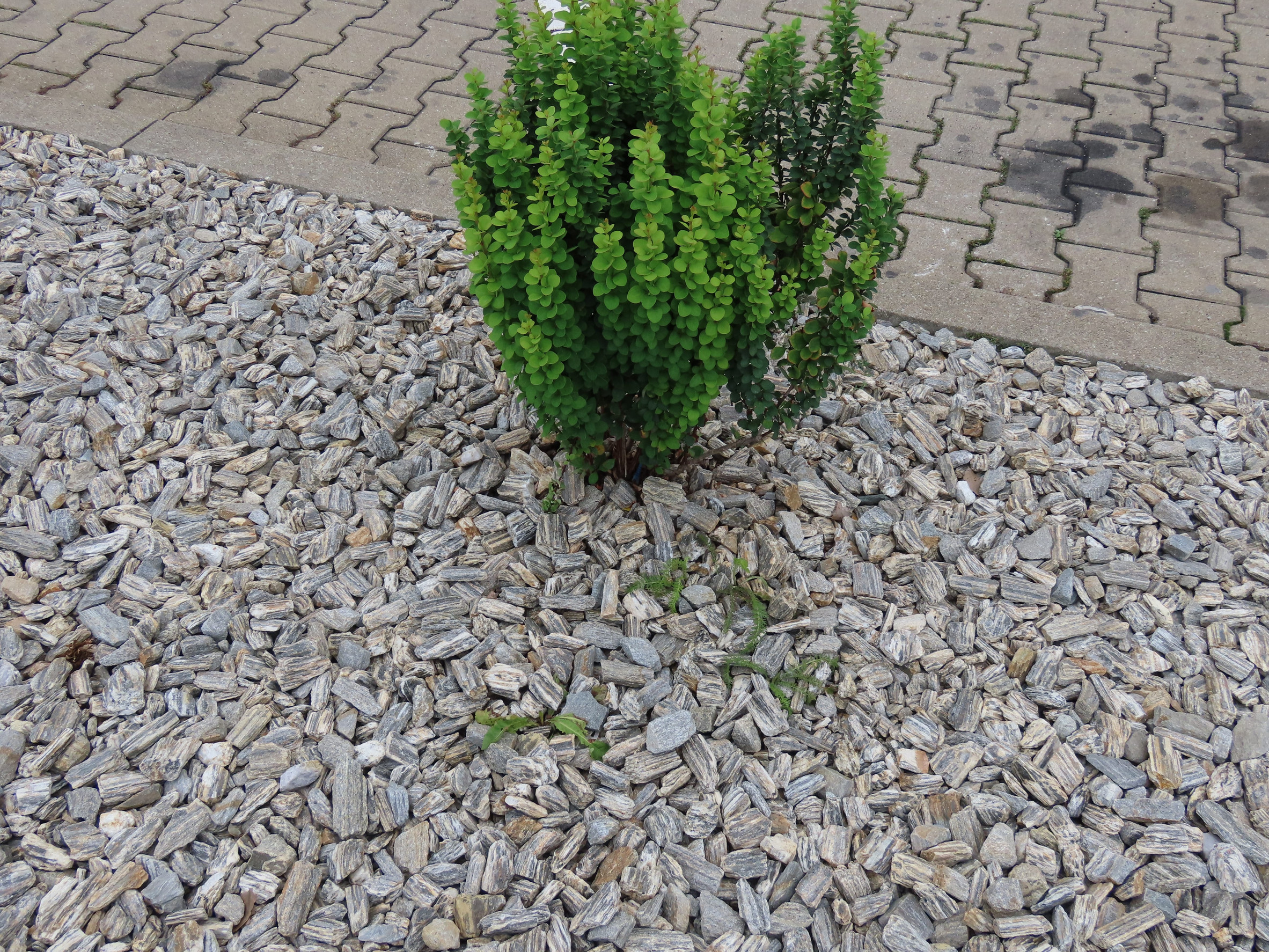
The choice of stone significantly impacts both the appearance and functionality of a rock garden.
Many homeowners in Minnesota prefer natural-looking materials that blend with the surrounding landscape.
Combining large focal stones with smaller decorative rock creates visual depth and variation.
For example:
This layered approach creates a more natural and visually balanced appearance.
Plants play an important role in softening the appearance of stone while adding seasonal color and texture.
Minnesota’s climate requires plants that can tolerate:
Popular rock garden plants for Minnesota include:
These plants provide visual interest while remaining relatively low-maintenance.
Native plants are becoming increasingly popular in modern landscaping because they naturally adapt to local growing conditions.
Benefits of native plants include:
Using native vegetation helps create a more sustainable landscape overall.
One of the major advantages of rock gardens is their ability to maintain visual appeal throughout every season.
Flowering plants and greenery add vibrant color and texture during the growing season.
Ornamental grasses and late-season perennials create contrast as leaves change color across the landscape.
Even after plants become dormant, the stone structure of the rock garden continues to provide definition and visual interest during snowy months.
This year-round appeal makes rock gardens especially valuable in northern climates like Minnesota.
Beyond aesthetics, rock gardens can help improve property drainage and reduce erosion.
Strategically placed rock gardens can redirect runoff away from structures and prevent pooling water in low areas.
On sloped properties, rocks and deep-rooted plants help stabilize soil and reduce erosion caused by rain or snowmelt.
Some homeowners incorporate features such as:
These additions improve both functionality and appearance while supporting long-term property health.
Rock gardens work best when integrated into a larger landscaping plan.
Hardscape elements such as walkways, patios, and retaining walls complement rock garden designs by adding structure and usability.
Rock gardens can break up large lawn spaces and create focal points that add visual interest to the yard.
Rock features can help define outdoor seating areas, fire pits, and garden paths, creating a more cohesive landscape design.
Professional landscaping services often combine these elements to create balanced outdoor environments that are both functional and visually appealing.
Many homeowners choose rock gardens because they require less upkeep than traditional landscaping.
Once established, rock gardens generally require less irrigation than large lawns or flower beds.
Decorative rock and mulch layers help suppress weed growth.
While occasional pruning and cleanup may still be necessary, rock gardens typically involve fewer seasonal tasks than more traditional landscaping designs.
This makes them especially appealing for:
The Brainerd Lakes area includes many waterfront homes and cabins where erosion, drainage, and maintenance can be ongoing concerns.
Rock gardens are often ideal for these environments because they:
For cabin owners who may not be at the property year-round, low-maintenance landscaping solutions are especially valuable.
While small rock gardens can sometimes be completed independently, larger projects often benefit from professional planning and installation.
Professional landscaping services can help with:
Experienced landscape professionals understand how Minnesota’s climate and terrain influence outdoor spaces and can design solutions that perform well year after year.
Rock gardens offer long-term benefits that extend beyond immediate curb appeal.
Thoughtful landscaping contributes to overall property appearance and can improve perceived value.
Stone and hardy plant materials often outlast traditional landscaping features.
Low-maintenance landscaping reduces water use and ongoing upkeep requirements.
Rock gardens can help solve drainage and erosion issues while enhancing outdoor spaces.
Modern landscaping trends increasingly favor natural materials, sustainability, and low-maintenance design—all qualities that align with rock gardens.
Today’s rock gardens often feature:
This combination of functionality and visual appeal makes rock gardens one of the most versatile landscaping features for Minnesota homeowners.
RJ3 Property Maintenance
11189 Sleepy Hollow Drive
Brainerd, MN 56401
Phone: (218) 576-4992
Email: info@rj3pm.com
RJ3 Property Maintenance provides lawn care, landscaping, seasonal cleanup, snow removal, and property maintenance services throughout the Brainerd Lakes area, including Brainerd, Baxter, Pillager, Nisswa, Lake Shore, Merrifield, Crosslake, Garrison, Deerwood, Crosby, and Little Falls.