
A brown lawn is one of the most frustrating sights for homeowners. You drag out the sprinkler, carefully water every section of your yard, and expect to wake up to greener grass—only to find the same brown patches staring back at you days later.
If this sounds familiar, you’re not alone. Many property owners throughout the Brainerd Lakes Area assume that brown grass automatically means their lawn needs more water. While drought stress can certainly cause discoloration, watering alone isn’t always the solution.
Healthy lawns depend on a combination of proper watering, healthy soil, strong roots, good mowing practices, and the right growing conditions. If even one of these elements is off balance, your lawn may continue to struggle no matter how much water you provide.
Understanding why your lawn stays brown after watering is the first step toward restoring a lush, healthy landscape.
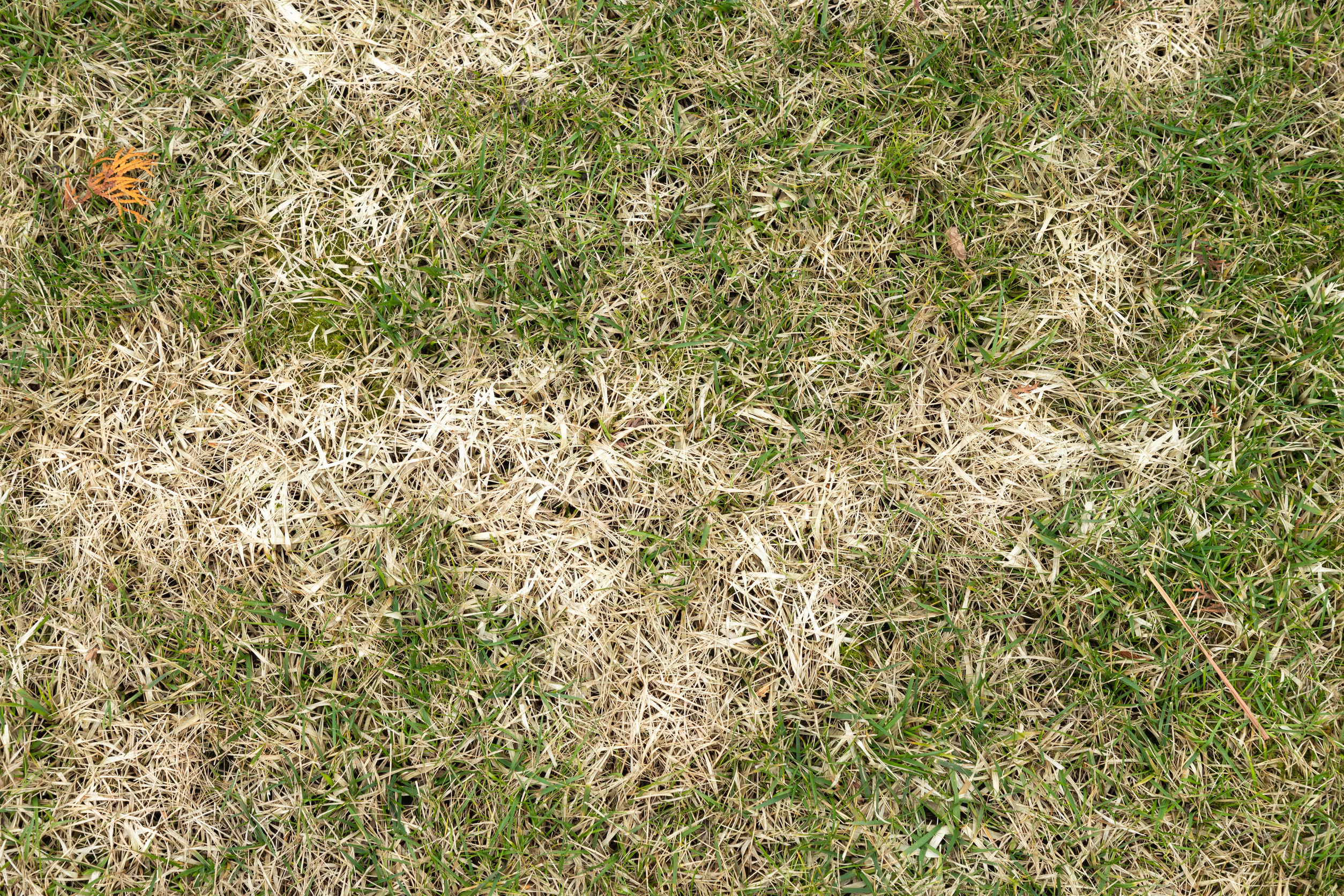
One of the biggest misconceptions about lawn care is that brown grass is dead.
In many cases, cool-season grasses common throughout Central Minnesota simply become stressed or temporarily dormant during periods of heat, drought, or environmental pressure. Although the blades turn brown, the root system may still be alive beneath the surface.
This distinction is important because dormant grass often recovers once underlying issues are corrected.
Before assuming your lawn needs replacement, it’s worth identifying the real cause of the discoloration.
Ironically, watering can still leave your lawn thirsty if it’s being done incorrectly.
Many homeowners water frequently but only for short periods of time. This wets the surface while leaving deeper roots dry.
Instead, lawns benefit from:
Deep watering encourages roots to grow farther into the soil, making grass more resilient during hot Minnesota summers.
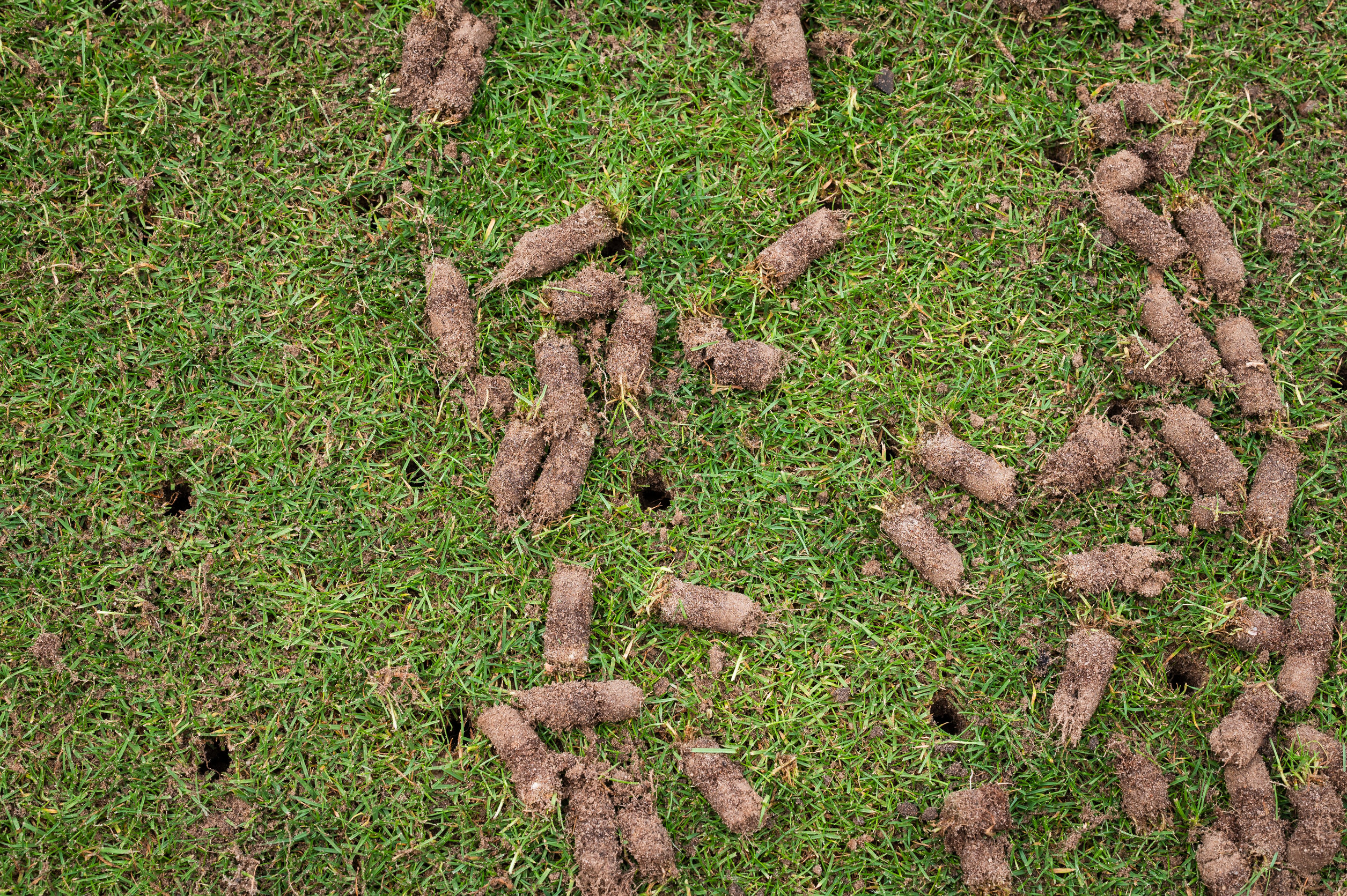
One of the most overlooked reasons grass remains brown is compacted soil.
Over time, foot traffic, mowing equipment, pets, and natural settling compress the soil, leaving very little space for air and water to move downward.
When this happens:
Even if your sprinkler runs for an hour, much of that water may never reach the root zone where it is actually needed.
Core aeration is often one of the most effective solutions for compacted lawns because it allows moisture, oxygen, and nutrients to penetrate deeper into the soil.
Many properties throughout the Brainerd Lakes Area contain sandy soil.
While sandy soil drains exceptionally well, it also loses moisture much faster than heavier soils. Homeowners often notice that their lawns dry out shortly after watering, especially during hot weather.
If your property has sandy soil, your watering schedule may need to be adjusted to provide deeper moisture without encouraging shallow root growth.
Combining proper irrigation with healthy organic matter can improve moisture retention and help lawns remain greener longer.
Sometimes the problem isn’t the lawn at all—it’s the sprinkler system.
A sprinkler may appear to be covering the entire yard while actually leaving dry gaps between spray patterns.
Common issues include:
A simple irrigation audit often reveals that brown areas aren’t receiving nearly as much water as healthier sections of the lawn.
Timing matters just as much as the amount of water you apply.
The best time to water is typically early in the morning when temperatures are cooler and evaporation is minimal.
Midday watering often wastes water because much of it evaporates before reaching the soil.
Late evening watering can leave grass wet overnight, creating conditions that encourage fungal diseases.
Choosing the right watering schedule improves efficiency while reducing lawn stress.
Brown grass isn’t always thirsty—it may actually be sick.
Several fungal diseases become active when lawns experience prolonged moisture, humidity, or poor air circulation.
Common symptoms include:
Simply adding more water usually makes fungal problems worse instead of better.
Professional diagnosis can help determine whether disease treatment is needed rather than additional irrigation.
Some insects feed directly on grass roots, preventing healthy plants from absorbing water—even when plenty of moisture is available.
Common lawn pests include:
Signs of insect damage often include:
Addressing insect problems early helps prevent widespread turf damage.
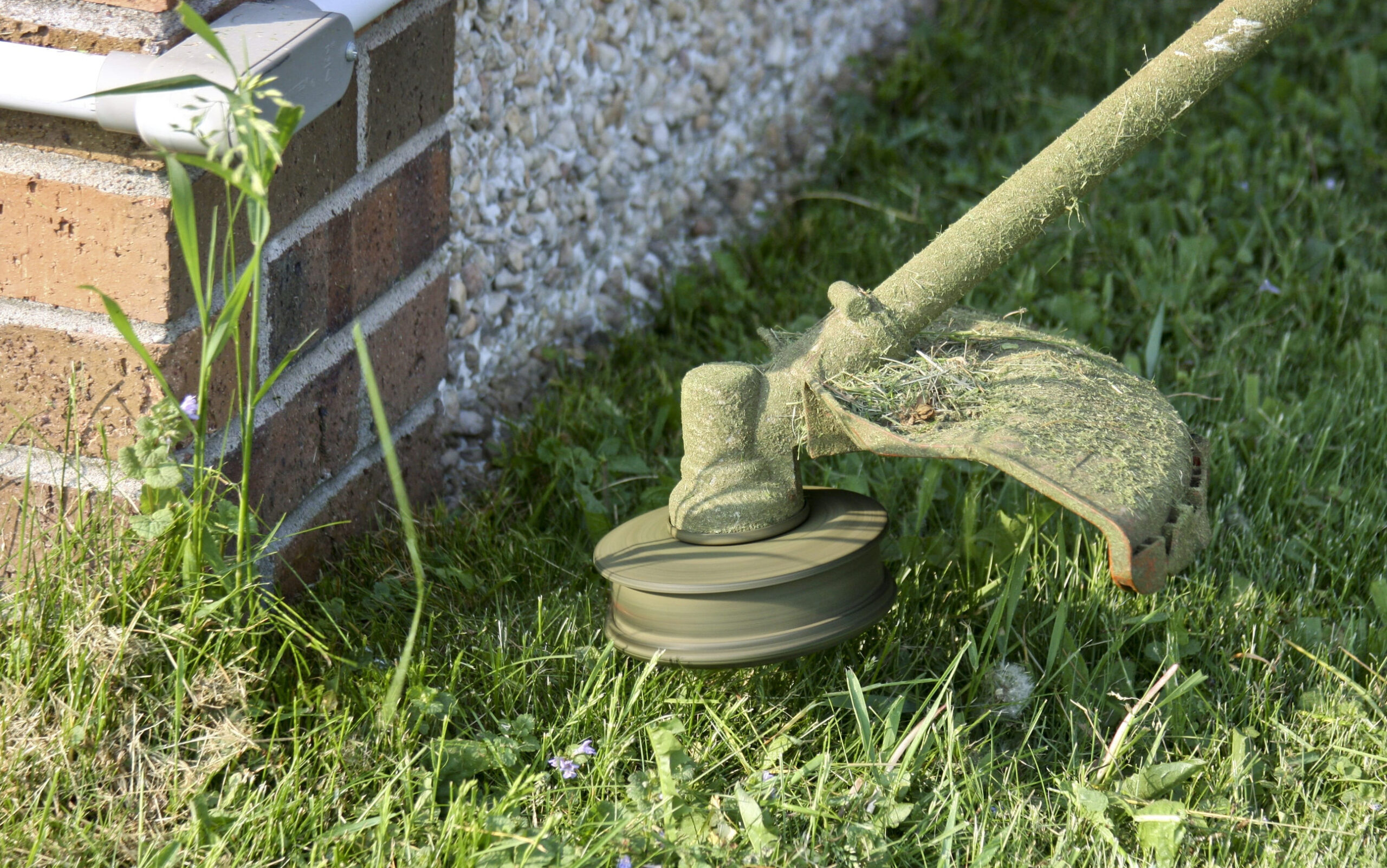
Your mowing routine has a major impact on lawn health.
Cutting grass too short removes much of the leaf surface responsible for producing energy through photosynthesis.
This places additional stress on already struggling turf.
Healthy mowing practices include:
Longer grass blades also help shade the soil, reducing moisture loss during hot weather.
Grass requires more than water to remain green.
Without adequate nutrients, especially nitrogen, lawns often become pale, yellow, or brown despite receiving regular irrigation.
Signs of nutrient deficiencies include:
A balanced fertilization program provides the nutrients needed to support healthy growth throughout the growing season.
Large trees can absorb tremendous amounts of moisture from surrounding soil.
Grass growing beneath mature trees often struggles because tree roots outcompete turf for both water and nutrients.
These areas may require:
Recognizing competition from trees can prevent unnecessary overwatering elsewhere in the yard.
Dog urine is another common cause of brown patches.
High nitrogen concentrations can burn grass, creating circular brown areas often surrounded by darker green growth.
These spots rarely improve with additional watering alone.
Promptly diluting affected areas with water may reduce damage, but repeated exposure often requires reseeding.
Minnesota summers occasionally bring extended periods of heat.
Cool-season grasses naturally slow their growth during these conditions and may temporarily enter dormancy to conserve energy.
Dormant lawns often:
Understanding dormancy helps homeowners avoid unnecessary watering or fertilizing that may actually increase stress.
Healthy lawns begin below the surface.
Strong root systems allow grass to:
Practices such as aeration, proper mowing, overseeding, and balanced fertilization all contribute to stronger root development.
Preventative maintenance is often easier—and less expensive—than repairing damaged turf.
Regular lawn care can include:
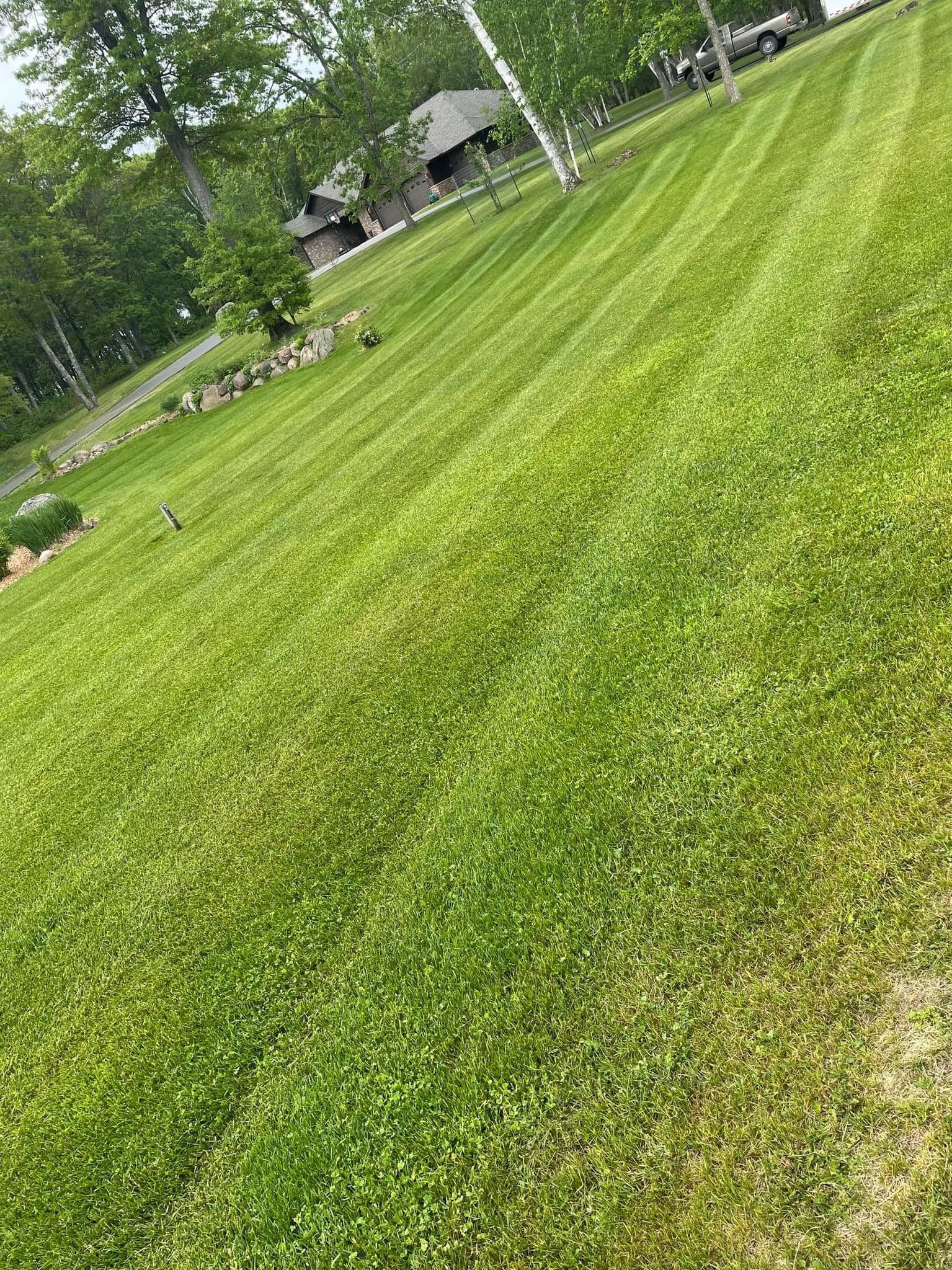
When these services work together, lawns remain healthier throughout the growing season and recover more quickly after periods of stress.
Every region has unique growing conditions.
The Brainerd Lakes Area experiences sandy soils, fluctuating rainfall, cool-season grasses, heavy seasonal use, and significant winter weather. Lawn care strategies that work elsewhere may not produce the same results in Central Minnesota.
RJ3 Property Maintenance provides lawn care and property maintenance services designed specifically for local conditions. Their experience with regional soil types, seasonal weather patterns, and common lawn challenges allows homeowners to receive maintenance tailored to Minnesota landscapes. RJ3 offers lawn mowing, aeration, landscaping, yard cleanup, snow removal, home and cabin maintenance, and additional outdoor property services throughout the Brainerd Lakes region.
RJ3 Property Maintenance
11189 Sleepy Hollow Drive
Brainerd, MN 56401
Phone: (218) 576-4992
Email: info@rj3pm.com
Website: https://rj3pm.com
Proudly serving Brainerd, Baxter, Pillager, Nisswa, Lake Shore, Merrifield, Crosslake, Garrison, Crosby, Deerwood, Little Falls, and surrounding Central Minnesota communities.