
Creating a beautiful landscape doesn’t have to mean spending every weekend watering, fertilizing, or replacing struggling plants. One of the smartest ways to design a yard that stays healthy and attractive throughout the seasons is by incorporating native plants into your landscape.
Native plants have naturally adapted to Minnesota’s climate, soil conditions, rainfall patterns, and wildlife over thousands of years. Because they’re already suited to the environment, they generally require less maintenance than many non-native ornamental plants while providing year-round beauty, supporting local pollinators, and improving the overall health of your landscape.
For homeowners throughout the Brainerd Lakes Area, native landscaping offers an opportunity to create outdoor spaces that look beautiful while working with nature instead of against it. Whether you’re updating landscape beds, adding new trees, or redesigning an entire yard, choosing plants that naturally thrive in Central Minnesota can make your property easier to maintain and more enjoyable throughout every season.
Many traditional landscape plants are selected primarily for appearance. While they can certainly add beauty, they often require more watering, fertilizing, pest management, and seasonal care to remain healthy.
Native plants offer several practical advantages because they’ve evolved under Minnesota’s natural growing conditions.
Benefits include:
For homeowners looking to balance beauty with practicality, native landscaping provides long-term value while helping preserve local ecosystems.
The Brainerd Lakes Area presents unique landscaping conditions.
Homeowners commonly encounter:
These changing conditions can make it difficult for some ornamental plants to thrive. Native species, however, have adapted to these environmental challenges and often perform exceptionally well with less intervention.
Native wildflowers provide vibrant seasonal color while attracting butterflies, bees, and other beneficial pollinators.
Some excellent choices include:
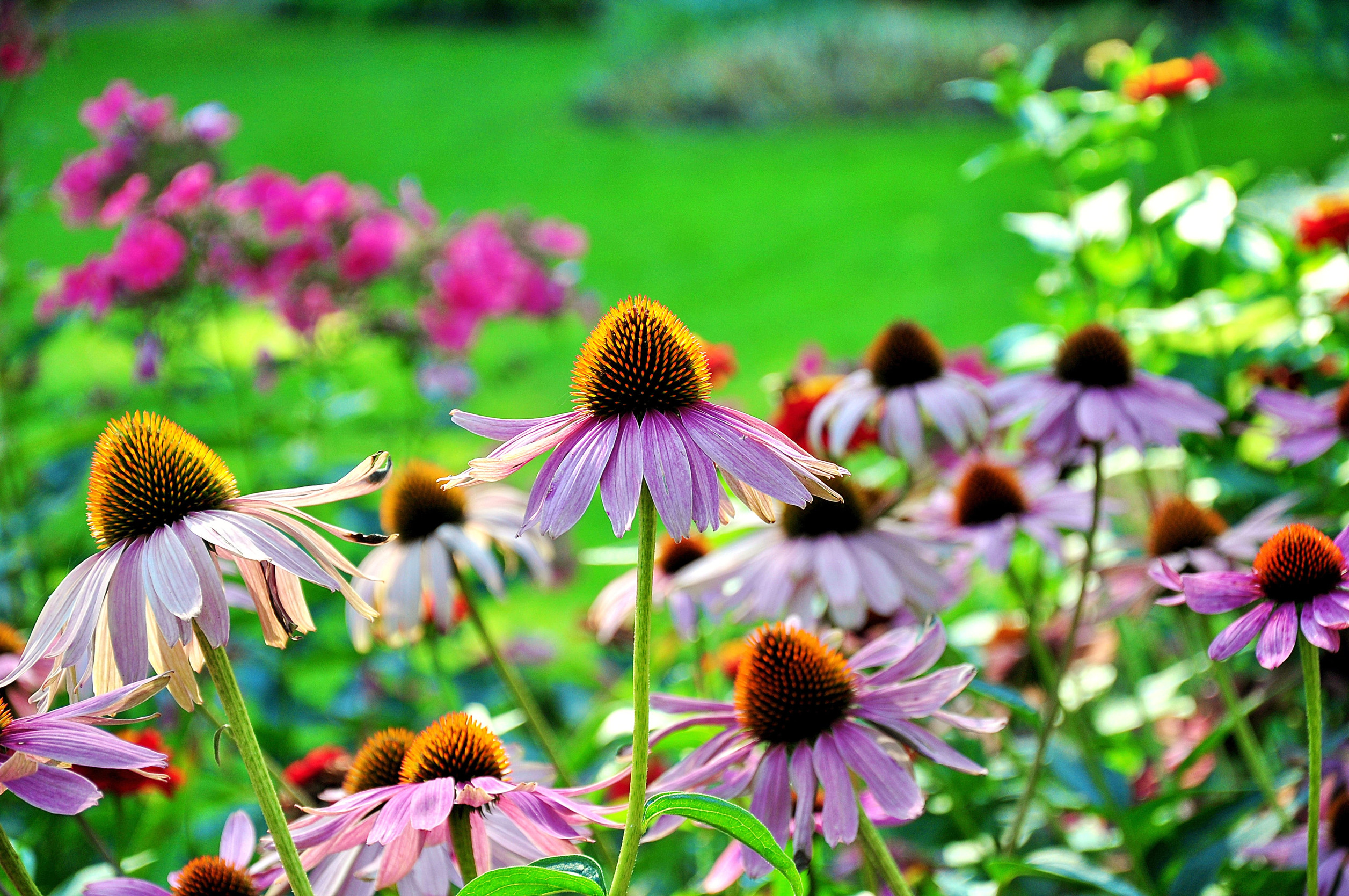
Purple coneflower is one of Minnesota’s most recognizable native perennials.
It features:
Its seed heads also provide winter interest and food for songbirds.
These cheerful yellow flowers brighten landscapes from midsummer into early fall.
They’re known for:
Also called bee balm, wild bergamot attracts hummingbirds, butterflies, and bees with its fragrant lavender flowers.
It performs especially well in sunny garden beds.
This vibrant orange flowering plant is an important food source for monarch butterflies.
Its deep roots also help it tolerate dry conditions after establishment.
Native ornamental grasses bring movement, texture, and year-round visual interest to landscapes.
Popular choices include:
Little bluestem develops attractive blue-green foliage during summer before turning shades of copper and orange in autumn.
Benefits include:
Known for its graceful appearance, prairie dropseed forms neat mounds with delicate flowering stems.
Its pleasant fragrance and fine texture make it an attractive addition to landscape borders.
Shrubs provide structure, privacy, and seasonal color while requiring relatively little maintenance.
Recognized for its brilliant red stems during winter, red osier dogwood adds year-round interest to Minnesota landscapes.
It also provides:
Serviceberry is a versatile small tree or large shrub that offers:
This hardy shrub produces clusters of bright red berries that persist into winter while adding seasonal color and supporting birds.
Trees are among the most valuable landscape investments homeowners can make.
Several native species perform exceptionally well throughout Central Minnesota.
Bur oak is highly adaptable and extremely durable.
It provides:
Known for its spectacular autumn color, sugar maple remains one of Minnesota’s favorite native shade trees.
River birch grows well in a variety of conditions while adding unique peeling bark and attractive foliage.
It performs particularly well where additional moisture is available.
Pollinators play a vital role in healthy ecosystems.
Native flowers provide nectar and pollen for:
By incorporating native flowering plants into your landscape, you’re helping support local biodiversity while creating a more vibrant outdoor environment.
Although native plants generally require less care, they still benefit from proper landscape maintenance.
Healthy landscapes typically include:
Routine maintenance helps native plants thrive while keeping landscapes neat and attractive.
One misconception about native landscaping is that it appears wild or unkempt.
With thoughtful planning, native plants can create landscapes that feel polished while maintaining a natural appearance.
Professional landscape design considers:
Combining native plants with attractive edging, mulch, decorative stone, and walkways creates an organized landscape that complements nearly any home style.
Water conservation has become increasingly important for homeowners.
Because native plants are adapted to Minnesota’s climate, many require less supplemental irrigation after becoming established.
This provides several advantages:
During periods of summer heat, native landscapes often remain healthier than landscapes filled exclusively with high-maintenance ornamental species.
Even the best native plants benefit from healthy soil.
Preparing planting areas properly improves:
Mulch also plays an important role by conserving soil moisture, reducing weeds, and protecting roots from temperature fluctuations.
One of the greatest strengths of native landscaping is that it provides beauty during every season.
Instead of relying on only one season for visual appeal, native landscapes continue offering texture and interest throughout the entire year.
Plants are only one part of a successful landscape.
Many homeowners enhance their outdoor spaces by combining native plantings with features such as:
These elements create landscapes that are both beautiful and functional while improving everyday enjoyment of the property.
Even low-maintenance landscapes benefit from ongoing professional care.
RJ3 Property Maintenance offers a variety of landscaping and property maintenance services designed to help homeowners throughout the Brainerd Lakes Area keep their outdoor spaces looking their best.
Services include:
Routine maintenance ensures landscapes remain healthy, attractive, and prepared for each changing Minnesota season.
Choosing native plants isn’t simply about reducing maintenance—it’s about creating landscapes that naturally belong in the environment.
Native trees, shrubs, flowers, and grasses work together to support pollinators, conserve water, improve soil health, and provide lasting beauty that changes with every season.
Whether you’re refreshing existing landscape beds or planning an entirely new outdoor space, selecting plants that thrive in the Brainerd Lakes Area is one of the best ways to enjoy a healthier, more sustainable landscape for years to come.
RJ3 Property Maintenance
11189 Sleepy Hollow Drive
Brainerd, MN 56401
Phone: (218) 576-4992
Email: info@rj3pm.com
Website: https://rj3pm.com
RJ3 Property Maintenance proudly serves Brainerd, Baxter, Nisswa, Crosslake, Merrifield, Pillager, Deerwood, Crosby, Pequot Lakes, Little Falls, and surrounding Central Minnesota communities with professional lawn care, landscaping, seasonal cleanup, and property maintenance services.