
October marks a turning point for lawn care in Central Minnesota. While grass growth continues early in the month, shorter days and cooler nights signal that dormancy is approaching. For lawns in the Brainerd Lakes Area, this period is less about appearance and more about preparation.
Proper October lawn care focuses on protecting grass crowns, strengthening root systems, and reducing environmental stress before freezing conditions arrive. Lawns that receive thoughtful care during this month are better equipped to handle winter conditions and typically require less repair once spring returns.
The Brainerd Lakes region experiences early frosts, fluctuating temperatures, and extended snow cover. These conditions can be hard on turf, especially lawns that enter winter stressed or poorly maintained.
October is often the last opportunity to:
Skipping these steps can lead to increased snow mold, patchy spring growth, and longer recovery times.
Grass continues to grow through much of October, though at a slower rate. Mowing should continue as long as the lawn is actively growing, but adjustments are important.
Best practices for October mowing include:
A moderate final mowing height helps prevent matting under snow while still protecting grass crowns from cold damage.
October fertilization supports root development and energy storage rather than blade growth. Grass plants use nutrients applied during this time to store carbohydrates that fuel winter survival and early spring green-up.
Slow-release fertilizers are typically preferred, as they provide nutrients steadily without encouraging excessive growth. Responsible fertilization also helps reduce nutrient runoff, which is especially important in lake-rich environments like the Brainerd Lakes Area.
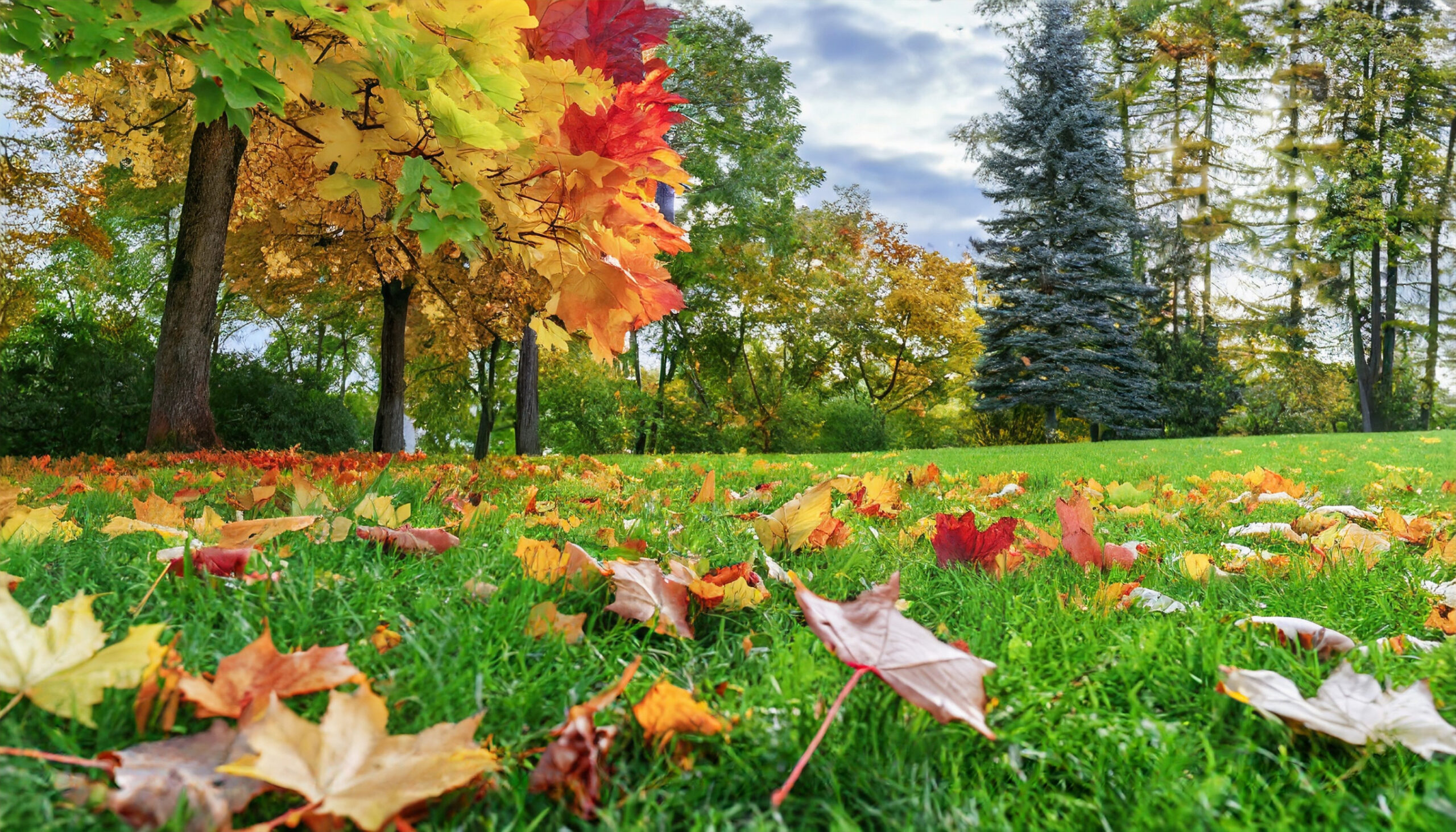
Leaf accumulation accelerates in October and should be managed consistently. While small amounts of mulched leaves can benefit soil, heavy buildup can smother turf and trap moisture.
Regular debris removal helps:
Properties with mature trees or wooded surroundings often require more frequent cleanup during this month.
October can still be an effective time for aeration, particularly early in the month before the ground begins to freeze. Aeration relieves compaction, improves drainage, and allows roots to access oxygen and nutrients more efficiently.
Lawns with heavy foot traffic, clay-heavy soils, or drainage issues benefit most from late-season aeration. Improving soil structure before winter helps reduce ice buildup and improves spring soil conditions.
Overseeding becomes less effective as soil temperatures drop. Early October may still allow for germination in some areas, but timing is critical.
Late overseeding efforts may not fully establish before frost, so the focus should shift toward:
Understanding realistic outcomes helps avoid wasted effort and supports better long-term planning.
Watering needs decline significantly in October. Cooler temperatures and reduced evaporation mean lawns retain moisture longer, increasing the risk of overwatering.
Key moisture management tips include:
Proper moisture balance protects grass crowns and reduces ice damage during freeze-thaw cycles.
Snow mold is one of the most common lawn issues in Minnesota. October lawn care plays a major role in prevention.
Factors that reduce snow mold risk include:
Clean, well-maintained lawns enter winter with fewer disease vulnerabilities.
Many Brainerd Lakes properties are seasonal homes that may not be actively maintained through late fall. Without October preparation, lawns can suffer damage that goes unnoticed until spring.
Professional lawn care ensures:
This proactive approach protects property value and reduces restoration needs later.
October lawn care mistakes can unintentionally increase winter damage. Common issues include:
Avoiding these mistakes helps lawns transition into dormancy safely.
One of the biggest benefits of proper October lawn care is improved spring performance. Lawns that are well-prepared often experience:
October care is an investment in next year’s lawn health.
Lawn care recommendations vary widely by region. What works in warmer climates may not be appropriate for Central Minnesota conditions.
RJ3 Property Maintenance understands the seasonal demands of the Brainerd Lakes Area and provides lawn care and property maintenance services designed to protect turf during October and beyond.
RJ3 Property Maintenance
11189 Sleepy Hollow Drive
Brainerd, MN 56401
Phone: (218) 576-4992
Email: info@rj3pm.com
RJ3 Property Maintenance provides professional lawn care and property maintenance services for residential, seasonal, and commercial properties throughout the Brainerd Lakes Area.