
When lawns and landscapes disappear beneath a blanket of snow, it’s easy to assume that outdoor spaces are simply “on pause” until spring. In reality, winter snow plays an active role in shaping the condition of your lawn, soil, and landscaping elements. January is especially important, as accumulated snow, fluctuating temperatures, and freeze-thaw cycles can have lasting effects.
Understanding how winter snow impacts your lawn and landscape helps homeowners take proactive steps to reduce damage, support healthy regrowth, and minimize spring cleanup. While grass may be dormant, the choices made during winter still influence what emerges once the snow melts.
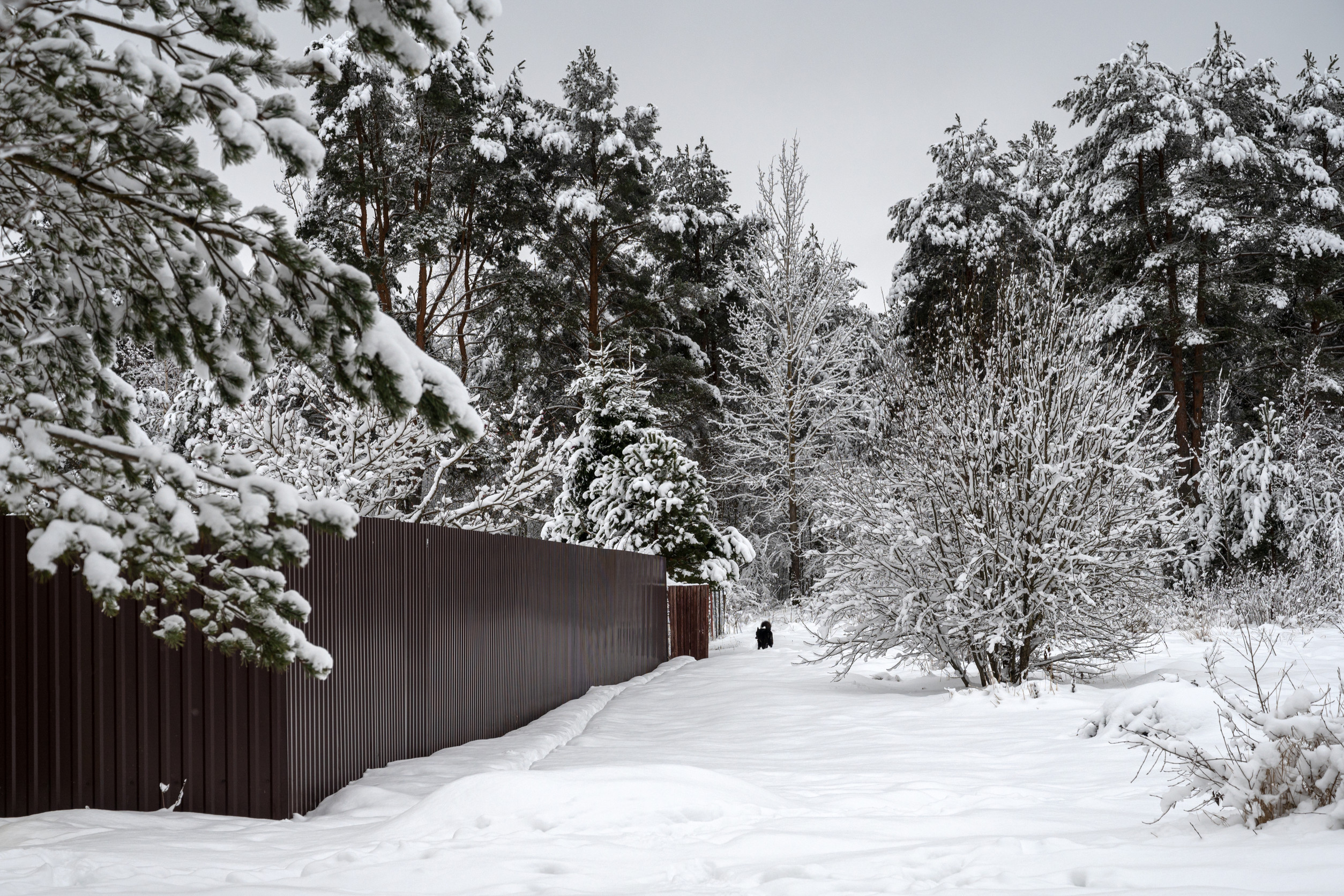
Snow serves a dual purpose in winter landscapes. On one hand, it acts as a natural insulator, protecting grass roots and soil from extreme cold. A consistent snow cover helps stabilize ground temperatures and can prevent deep frost penetration that damages turf.
On the other hand, excessive or compacted snow creates stress. Heavy snow piles, repeated freeze-thaw cycles, and prolonged moisture can weaken turf, suffocate grass blades, and stress landscape plants. The balance between protection and damage depends on snow depth, duration, and how it’s managed throughout winter.
One of the most common lawn issues associated with winter snow is snow mold. Snow mold develops when snow sits on unfrozen ground for extended periods, creating a moist, insulated environment where fungal diseases thrive.
Snow mold typically appears in early spring as circular or irregular patches of matted grass that are gray, white, or pinkish in color. While many lawns recover over time, severe cases can delay green-up and require additional lawn care attention.
Factors that increase snow mold risk include:
Managing snow placement and minimizing compaction during winter can help reduce these risks.
Even when grass is dormant, soil health remains critical. Heavy snow piles and repeated pressure from walking, snowblowers, or plows compress soil beneath the surface. Compacted soil restricts airflow, water movement, and root growth, making it harder for lawns to recover in spring.
Compaction issues are most common in areas where snow is repeatedly piled, such as along driveways, sidewalks, and property edges. Over time, these areas may experience thinning grass, poor drainage, or increased weed growth once temperatures rise.
Reducing unnecessary traffic on snow-covered lawns and being mindful of snow pile locations can help preserve soil structure through winter.
Landscaping elements such as shrubs, ornamental grasses, and young trees are also affected by winter snow. While some snow coverage offers insulation, excessive weight can bend, split, or break branches—especially when snow becomes wet or icy.
Evergreens are particularly vulnerable, as snow accumulates on needles and branches. Shrubs located near plowed areas may also suffer damage from repeated snow dumping or shifting piles.
In January, monitoring plant condition after heavy snowfall helps identify issues early. Gently removing excess snow from branches can prevent breakage, while thoughtful snow placement reduces long-term plant stress.
January often brings fluctuating temperatures that cause snow to partially melt and refreeze. These freeze-thaw cycles influence how moisture moves across your property.
Poor drainage can lead to standing water once snow begins melting, saturating soil and weakening turf. Areas near foundations, walkways, and landscaped beds are especially susceptible to pooling water, which may contribute to erosion or plant damage.
Proper snow management and attention to drainage patterns help minimize these issues and support healthier lawns as winter transitions into spring.
Although major lawn work waits until warmer weather, winter yard care still plays a role in protecting outdoor spaces. Fallen branches, debris, and uncollected organic material trapped beneath snow can smother grass and contribute to disease.
Addressing storm debris, managing snow piles, and keeping landscaped areas clear reduces stress on lawns and plants. These efforts also simplify spring cleanup and encourage quicker recovery once temperatures rise.
What happens during winter sets the stage for spring lawn performance. Lawns that experience less compaction, disease pressure, and physical damage tend to green up faster and respond better to early-season care.
Winter awareness allows homeowners to:
January may feel like a waiting period, but it’s actually a valuable time for observation and planning.
Managing lawns and landscapes in winter isn’t about growth — it’s about protection. Consistent snow management, landscape awareness, and property care help ensure outdoor spaces emerge from winter in the best possible condition.
For homeowners, especially those managing large properties or seasonal homes, winter maintenance support provides peace of mind and helps prevent avoidable damage that can carry into spring.
If you have questions about winter lawn care, landscape protection, or property maintenance during Minnesota’s coldest months, RJ3 Property Maintenance is a trusted local resource for year-round property support.
RJ3 Property Maintenance
Phone: 218-576-4992
Email: info@rj3pm.com