
When winter fades and the first signs of spring appear in Minnesota, homeowners across the Brainerd Lakes region begin preparing their landscapes for the growing season. After months of snow and frozen ground, spring offers the perfect opportunity to refresh outdoor spaces and bring new life to your property.
One of the most effective ways to enhance curb appeal and create a welcoming landscape is by designing thoughtful and vibrant spring flower beds. Well-designed flower beds add color, structure, and personality to your yard while complementing lawns, walkways, patios, and other landscape features.
In Minnesota’s unique climate, however, successful flower bed design requires careful planning. From selecting plants that thrive in cooler temperatures to preparing soil that supports strong root growth, every detail contributes to the long-term success of your garden.
This guide explores how homeowners can design beautiful spring flower beds that flourish throughout the season while supporting a healthy, well-maintained landscape.
Flower beds are more than decorative additions to a yard—they play an important role in the overall structure and health of a landscape.
Strategically designed flower beds can:
In areas like Brainerd, Baxter, and surrounding Minnesota communities, landscaping must also account for fluctuating weather conditions and soil types. Choosing plants and design techniques that work with the regional climate helps gardens remain vibrant throughout the growing season.
Professional landscaping services often incorporate flower bed design as part of larger landscape plans that blend plants, lawns, and hardscaping elements into cohesive outdoor spaces.
Successful spring flower beds begin with choosing the right location on your property. Sun exposure, soil conditions, and drainage all influence plant growth and long-term garden health.
Different flowers require different amounts of sunlight. Some plants thrive in full sun, while others perform better in partial shade.
Typical guidelines include:
Observing sunlight patterns across your yard before planting helps ensure flowers receive the conditions they need to grow.
Spring snowmelt and seasonal rains can create drainage challenges. Flower beds should be placed in areas where water drains well rather than pooling around plant roots.
Raised flower beds or gentle slopes can help improve drainage in wetter areas of the yard.
Healthy soil is the foundation of a thriving flower bed. Minnesota soil can vary widely depending on location, so proper preparation is essential.
Testing soil helps determine pH levels and nutrient availability. Many flowering plants grow best in soil with a slightly acidic to neutral pH level.
Organic materials improve soil structure and help retain moisture while promoting healthy root development.
Common soil amendments include:
These materials improve both nutrient content and soil texture.
Mulch plays an important role in maintaining flower beds. It helps regulate soil temperature, retain moisture, and suppress weed growth.
Mulch beds are commonly installed as part of professional garden care and landscaping services, improving both plant health and visual appeal.
Choosing the right plants is essential for creating successful spring flower beds in northern climates. Hardy plants that tolerate cooler temperatures and variable weather conditions will perform best.
Some popular spring flowers for Minnesota gardens include:
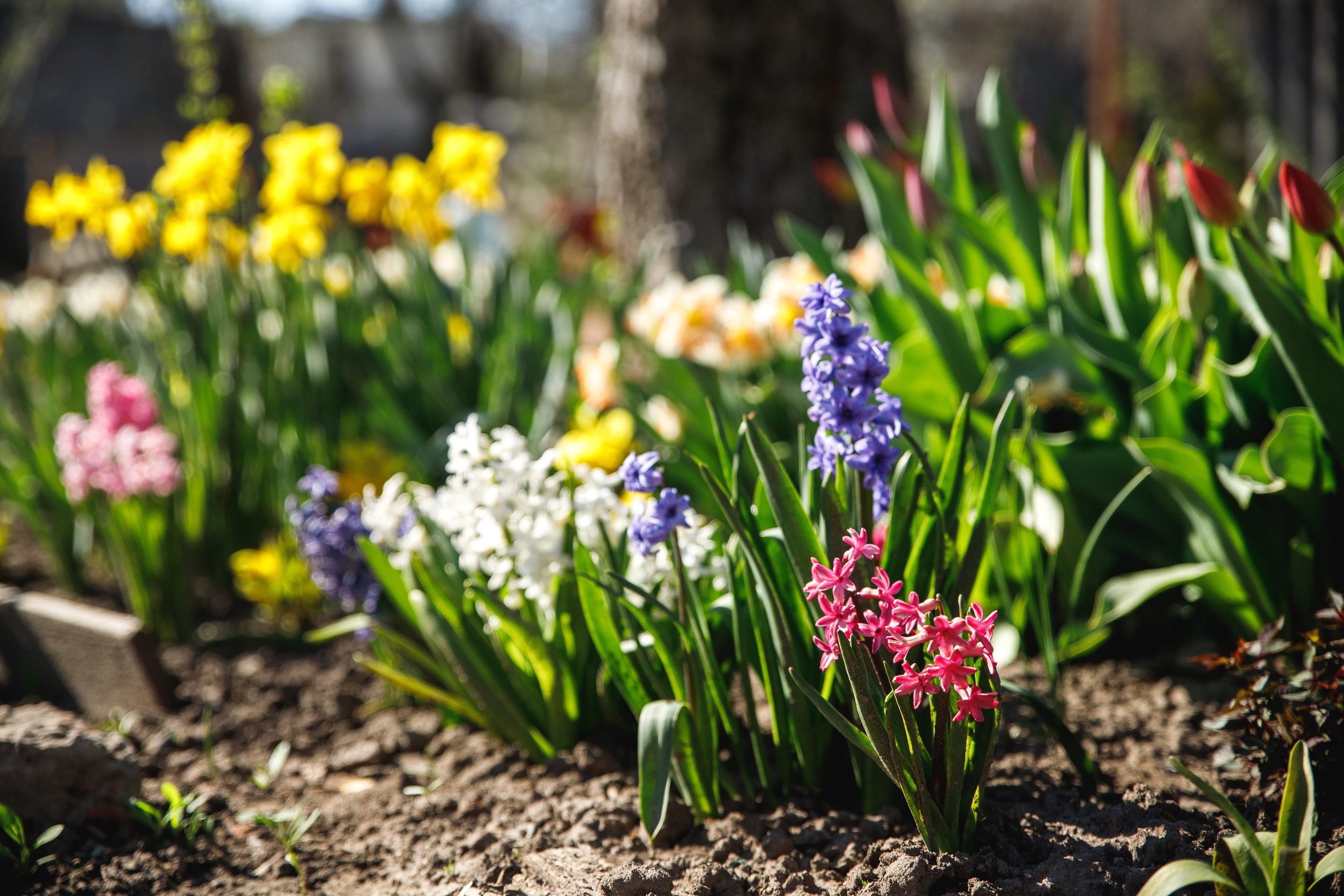
Tulips are classic spring flowers known for their bold colors and elegant shapes. They perform well in cooler climates and bloom early in the season.
Daffodils are extremely hardy and often one of the first flowers to bloom in spring. Their bright yellow petals add warmth and energy to flower beds.
Pansies tolerate cool temperatures and provide early-season color while many other plants are still emerging.
Hyacinths bring both color and fragrance to spring gardens, making them a popular choice for decorative flower beds.
Many homeowners combine spring bulbs with perennial plants that return year after year. Popular perennial choices in Minnesota include:
These plants create lasting structure in flower beds and provide seasonal variety.
For guidance on selecting plants suited to Minnesota conditions, local horticulture resources provide helpful recommendations for hardy garden plants and soil preparation techniques.
Flower bed design is both an art and a science. A well-designed garden considers color, plant height, texture, and seasonal blooming patterns.
A common design technique involves arranging plants by height.
This layering approach ensures that all plants remain visible while creating a natural flow within the flower bed.
Color selection can dramatically influence the appearance of a garden. Some homeowners prefer bold color combinations, while others choose soft, complementary palettes.
Popular spring color schemes include:
Choosing a color theme helps maintain visual harmony across the entire landscape.
Texture adds visual interest to flower beds even when plants are not in bloom. Mixing plants with different leaf shapes and sizes creates depth and complexity in the garden.
Clean edges give flower beds a polished and professional appearance. Borders help separate planting areas from lawns, walkways, or driveways.
Common edging materials include:
Defined edges also help prevent grass from spreading into flower beds and make lawn maintenance easier.
Maintaining clear borders contributes to the tidy, well-kept appearance often associated with professional lawn care and landscaping services.
Hardscape elements can enhance flower beds by adding structure and functionality to outdoor spaces.
Examples include:
Hardscaping complements landscaping by creating usable spaces while framing garden areas in visually appealing ways.
These structural elements also help manage erosion and drainage, especially in areas with heavy rainfall or sloped terrain.
Once spring flower beds are established, ongoing maintenance helps ensure plants remain healthy and vibrant.
Consistent watering is essential, particularly during early plant growth. However, overwatering can lead to root rot, so balanced irrigation is key.
Weeds compete with flowers for nutrients and sunlight. Regular weeding helps maintain the appearance and health of the flower bed.
Removing spent blooms encourages many flowering plants to produce additional blossoms throughout the season.
At the end of the growing season, removing debris and trimming plants prepares the flower bed for winter dormancy and supports healthy growth the following spring.
Seasonal yard cleanup and garden care are often part of broader property maintenance services that keep landscapes looking their best year-round.
Beautiful landscaping plays an important role in how a property is perceived. Flower beds, in particular, can significantly improve curb appeal and contribute to a welcoming outdoor environment.
Homes with well-maintained landscaping often stand out in their neighborhoods, and thoughtful flower bed design can highlight architectural features such as walkways, patios, and entryways.
In regions like the Brainerd Lakes area—where natural beauty is an important part of the community—maintaining attractive landscapes helps properties blend seamlessly with their surroundings.
Spring gardens provide the first burst of color after a long winter, but thoughtful design ensures landscapes remain attractive throughout the year.
By combining early spring blooms with summer perennials and fall foliage plants, homeowners can create flower beds that evolve with the seasons.
Long-term planning also includes:
With the right design approach, flower beds can remain a highlight of your landscape for years to come.
RJ3 Property Maintenance
11189 Sleepy Hollow Drive
Brainerd, MN 56401
Phone: (218) 576-4992
Email: info@rj3pm.com
RJ3 Property Maintenance provides lawn care, landscaping, seasonal cleanup, snow removal, and property maintenance services throughout the Brainerd Lakes area, including Brainerd, Baxter, Pillager, Nisswa, Lake Shore, Merrifield, Crosslake, Garrison, Deerwood, Crosby, and Little Falls.