
A healthy lawn starts with choosing the right grass. In the Brainerd Lakes area, where seasonal weather patterns create unique lawn care challenges, selecting a grass type suited to Minnesota’s climate is essential for long-term success.
From freezing winters and spring snowmelt to warm summers and fluctuating rainfall, lawns in northern Minnesota experience a wide range of environmental conditions throughout the year. Not all grass varieties are capable of handling these stresses equally. Some thrive in cooler temperatures, while others struggle with drought, foot traffic, or soil conditions common throughout the region.
Understanding which grass types perform best in the Brainerd Lakes area helps homeowners create healthier lawns that require less maintenance, resist weeds more effectively, and maintain strong curb appeal throughout the growing season.
This guide explores the most common grass types used in Minnesota lawns, their advantages, and how they fit into a comprehensive lawn care and landscaping strategy.
Most lawns in Minnesota are made up of cool-season grasses. These grass varieties grow most actively during spring and fall when temperatures are moderate.
Cool-season grasses are ideal for the Brainerd Lakes region because they:
Choosing the right cool-season grass helps ensure lawns remain durable and visually appealing despite Minnesota’s changing weather conditions.
Kentucky bluegrass is one of the most popular grass types used throughout Minnesota and is commonly found in residential lawns across the Brainerd Lakes area.
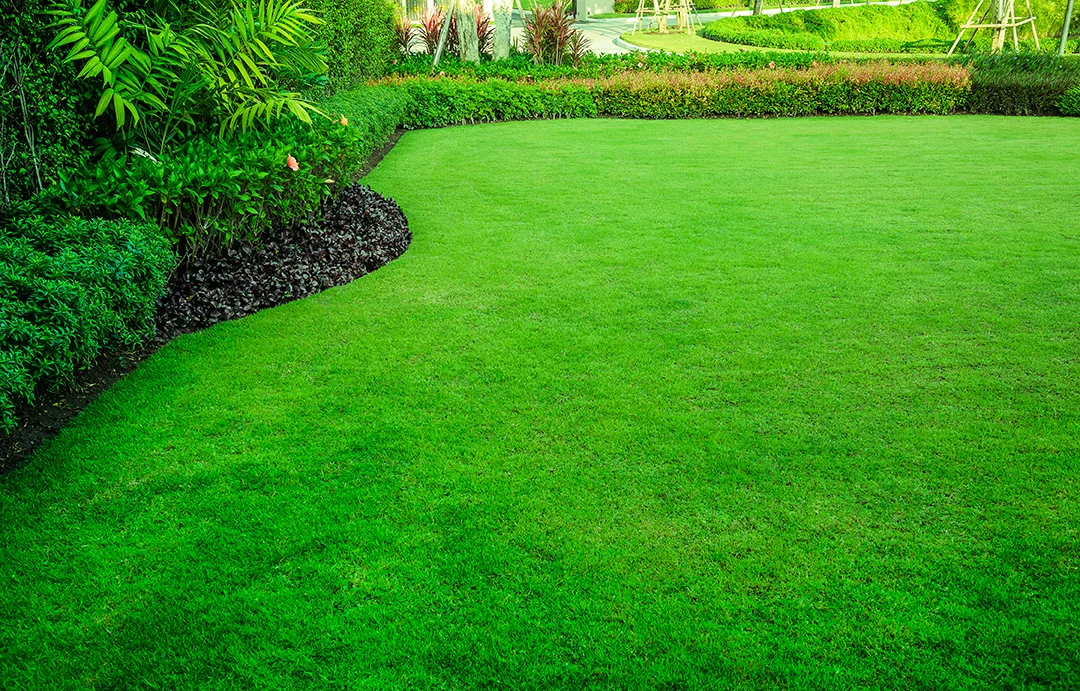
Kentucky bluegrass creates a lush, uniform lawn that is highly desirable for curb appeal.
While visually attractive, Kentucky bluegrass requires consistent maintenance and performs best when properly fertilized and watered.
It may struggle during extended drought conditions without supplemental irrigation.
Kentucky bluegrass works well for:
Professional lawn care services often include fertilization and mowing strategies designed specifically to support Kentucky bluegrass health.
Fine fescue is another popular grass type for northern Minnesota lawns, particularly in areas with shade or lower maintenance requirements.
Fine fescue is commonly included in seed blends for properties with wooded landscapes or partial sun exposure.
This grass performs especially well in:
Because the Brainerd Lakes area contains many wooded properties, fine fescue is often an effective option for maintaining healthy turf in challenging growing conditions.
Perennial ryegrass is known for its rapid germination and durability, making it a valuable addition to many Minnesota lawn seed mixtures.
This grass is often used for overseeding and repairing thin or damaged lawns.
Perennial ryegrass works well in:
Because it germinates quickly, it is frequently combined with Kentucky bluegrass in residential lawn mixes.
Tall fescue has become increasingly popular in certain northern regions due to its drought tolerance and durability.
Tall fescue has a coarser texture than Kentucky bluegrass or fine fescue, which may influence appearance preferences for some homeowners.
However, its resilience makes it attractive for larger properties and lower-maintenance lawns.
Many successful lawns in the Brainerd Lakes area use a blend of grass types rather than relying on a single variety.
Combining grass varieties helps create lawns that:
For example:
This balanced approach helps lawns perform more consistently throughout the growing season.
Selecting the right grass type depends on several property-specific factors.
Some grass varieties require full sun, while others tolerate shade more effectively.
Soil composition, drainage, and pH levels all impact how grass performs over time.
Lawns used frequently for recreation or entertaining benefit from more durable grass types.
Homeowners seeking low-maintenance lawns may prefer grasses that require less fertilization or watering.
Understanding these factors helps create a lawn care strategy tailored to the property’s specific conditions.
Even the best grass varieties require consistent maintenance to remain healthy.
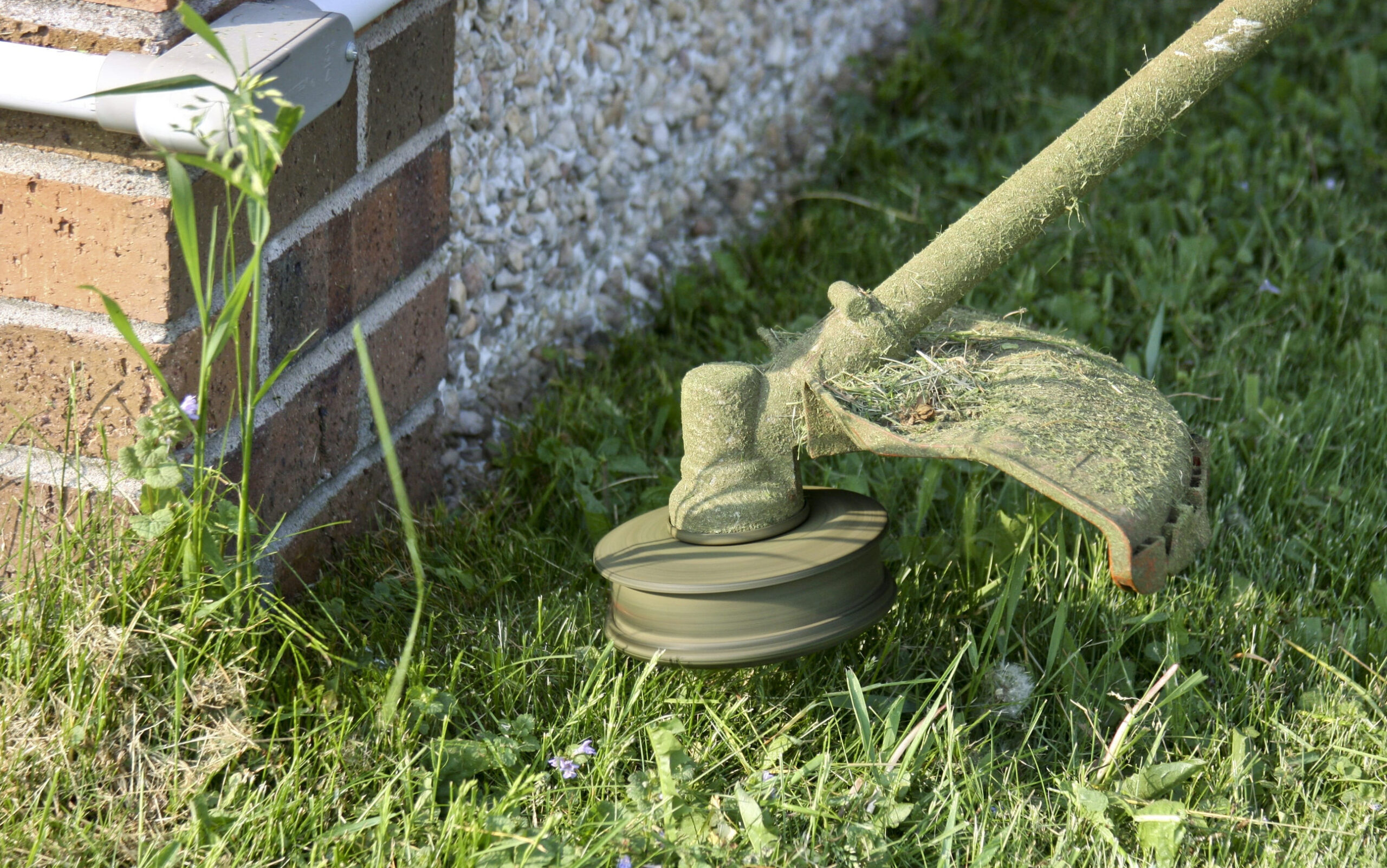
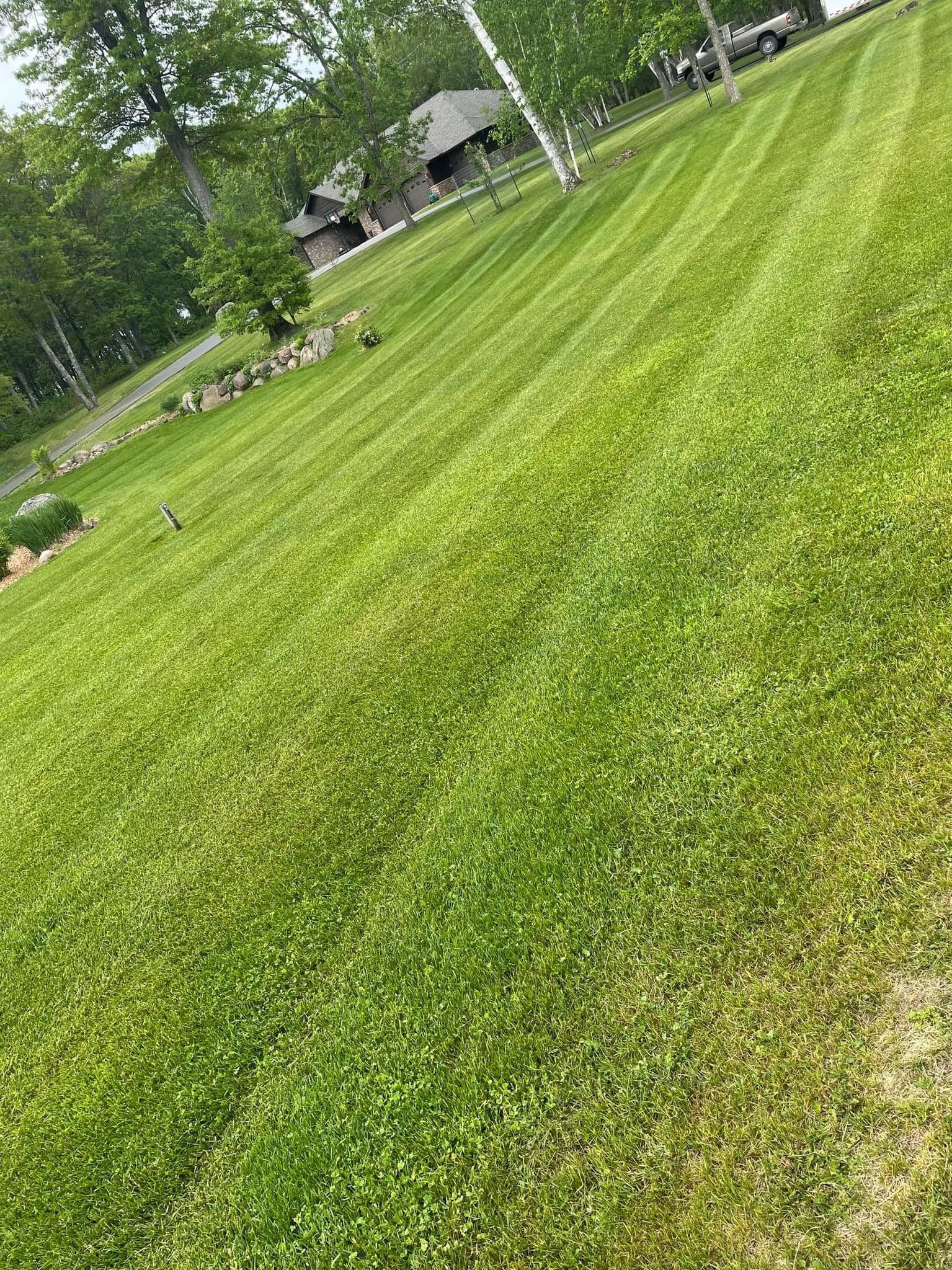
Proper mowing practices support turf density and overall lawn health.
Following the 1/3 mowing rule—removing no more than one-third of the grass blade at a time—helps reduce stress and encourage stronger root systems.
Minnesota lawns benefit from seasonal fertilization programs that replenish nutrients depleted during winter and active growth periods.
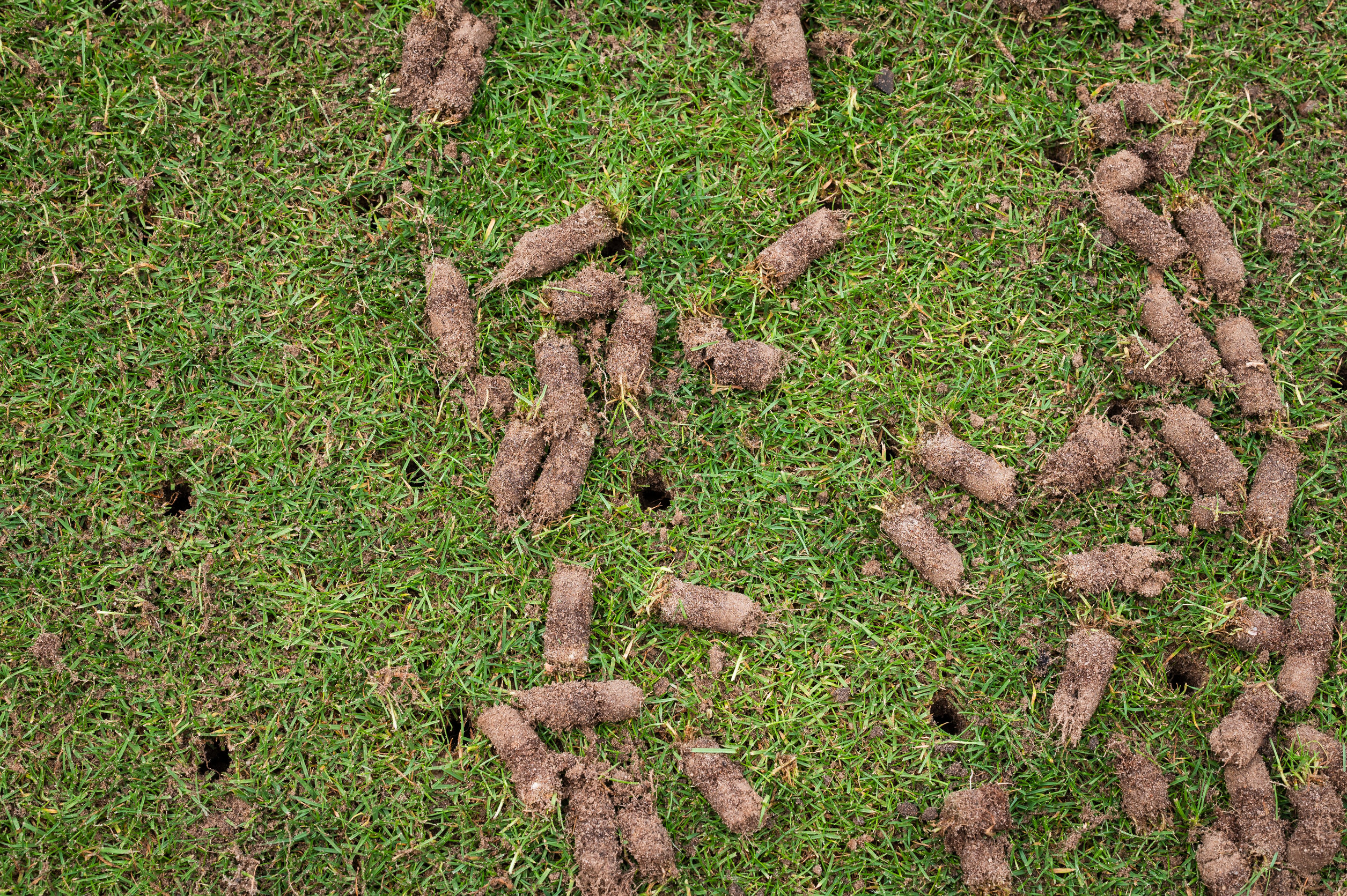
Aeration relieves soil compaction, while overseeding helps maintain thick, healthy turf.
Healthy grass naturally suppresses weeds more effectively than weak or thinning turf.
Professional lawn care programs often combine these practices into year-round maintenance plans.
Different grass varieties respond differently throughout the seasons.
Cool-season grasses grow rapidly in spring due to increased moisture and moderate temperatures.
Some varieties, such as Kentucky bluegrass, may become stressed during prolonged heat or drought conditions.
Fall is one of the most important seasons for lawn recovery, overseeding, and root development.
Cold-hardy grasses survive Minnesota winters better and recover more effectively in spring.
Choosing grass suited to all four seasons improves long-term lawn resilience.
Lawns are often just one part of a larger landscaping plan. Grass selection should complement surrounding landscape features.
Professional landscaping plans may integrate:
Balancing lawn areas with landscaping elements creates visually appealing and functional outdoor spaces.
The Brainerd Lakes region includes many seasonal homes and cabin properties that require specialized lawn care considerations.
Grass blends that emphasize durability and lower maintenance often perform best for cabin properties.
Professional property maintenance services can help ensure these lawns remain healthy even when owners are away.
Healthy lawns provide several environmental benefits when properly maintained.
Dense root systems help stabilize soil and reduce erosion.
Healthy turf absorbs rainfall more effectively, reducing runoff.
Grass naturally filters pollutants and contributes oxygen to the environment.
Lawns help cool outdoor spaces during warmer months.
Selecting the right grass type contributes not only to appearance but also to overall environmental health.
Choosing grass varieties suited to Minnesota’s climate provides long-term advantages for homeowners.
Adapted grass types require fewer repairs and recover more effectively from seasonal stress.
Healthy turf maintains stronger color, density, and consistency throughout the season.
Cold-tolerant grasses survive harsh winters and recover more efficiently in spring.
A healthy lawn contributes significantly to curb appeal and overall landscape quality.
Modern lawn care trends increasingly focus on sustainability and practical maintenance solutions.
Current trends include:
These trends support healthier lawns while reducing environmental impact and long-term maintenance demands.
RJ3 Property Maintenance
11189 Sleepy Hollow Drive
Brainerd, MN 56401
Phone: (218) 576-4992
Email: info@rj3pm.com
RJ3 Property Maintenance provides lawn care, landscaping, seasonal cleanup, snow removal, and property maintenance services throughout the Brainerd Lakes area, including Brainerd, Baxter, Pillager, Nisswa, Lake Shore, Merrifield, Crosslake, Garrison, Deerwood, Crosby, and Little Falls.