
Minnesota homeowners often spend months looking forward to summer. Longer days, warm temperatures, and outdoor gatherings make it one of the most enjoyable times of year. However, while people may enjoy the sunshine, lawns often face significant challenges during periods of prolonged heat.
Throughout the Brainerd Lakes area, summer conditions can create stress for turfgrass and landscaping. High temperatures, strong sunlight, sandy soil conditions, and occasional dry spells can all impact the health and appearance of a yard. Without proper care, even healthy lawns may begin to show signs of stress, including discoloration, thinning turf, and reduced growth.
The good news is that many of these issues can be prevented or minimized with a proactive lawn care strategy. Understanding how summer heat affects grass and implementing proper maintenance practices can help homeowners protect their investment while maintaining beautiful outdoor spaces throughout the season.
Whether you own a residential property, seasonal cabin, or lake home, these lawn care strategies can help your yard remain healthy and resilient during Minnesota’s hottest months.
Grass is a living plant that depends on water, nutrients, and sunlight to thrive. During periods of excessive heat, these systems can become strained.
High temperatures cause moisture to evaporate more quickly from both the soil and grass blades.
When soil temperatures rise significantly, grass roots often become less efficient at absorbing nutrients and water.
Extended periods without adequate rainfall can leave turf struggling to maintain healthy growth.
Summer is also the season when lawns experience the highest levels of activity. Increased foot traffic can further stress already weakened turf.
Understanding these challenges is the first step toward protecting your lawn from seasonal heat damage.
Identifying heat stress early allows homeowners to take corrective action before significant damage occurs.
Common signs include:
Some heat stress is temporary and can be corrected with proper watering and maintenance. However, prolonged stress can result in more serious turf damage.
One of the most effective ways to protect a lawn from summer heat is through proper watering.
Rather than watering lightly every day, deep watering encourages roots to grow further into the soil.
Deeper roots help grass:
Morning watering is generally considered the most effective time because:
Watering during the hottest part of the day often results in significant moisture loss through evaporation.
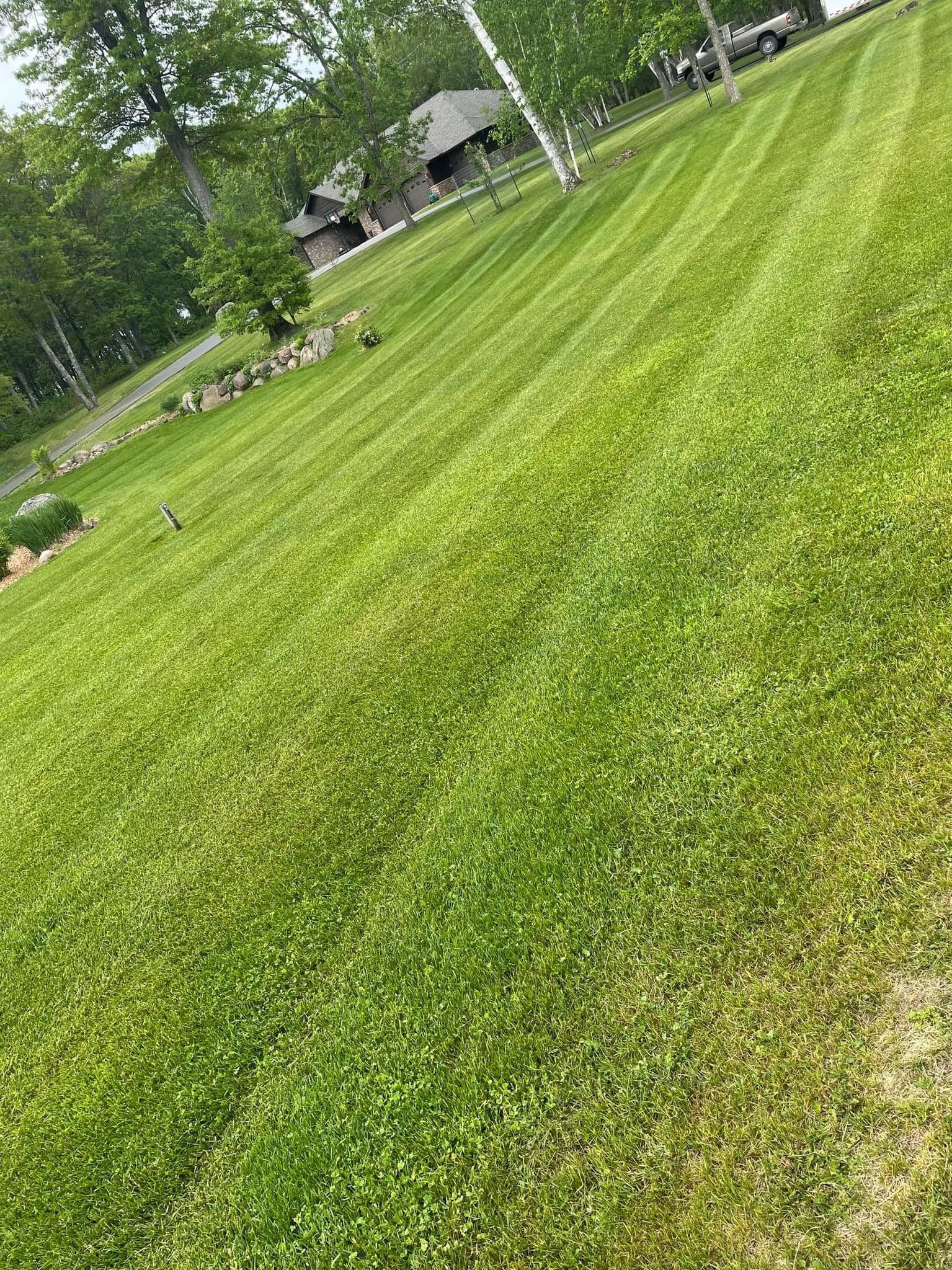
Many homeowners unknowingly increase lawn stress by mowing too short during hot weather.
Longer grass blades:
For most Minnesota lawns, maintaining a mowing height between 3 and 4 inches during summer can provide significant benefits.
Never remove more than one-third of the grass blade during a single mowing session.
This simple rule helps reduce stress and encourages healthier growth.
Healthy soil plays a major role in helping lawns survive summer heat.
Many properties throughout the Brainerd Lakes area contain sandy soils that drain quickly.
Adding organic matter such as compost helps:
Healthy soil contains beneficial microorganisms that support root development and nutrient cycling.
Long-term soil improvement can significantly improve lawn performance during stressful weather conditions.
Fertilization remains an important part of lawn care, but timing is critical during summer.
Applying large amounts of fertilizer during periods of extreme heat can place additional stress on turf.
Slow-release fertilizers provide nutrients gradually and help reduce the risk of fertilizer burn.
A balanced fertilization schedule supports healthy growth without overstimulating grass during stressful conditions.
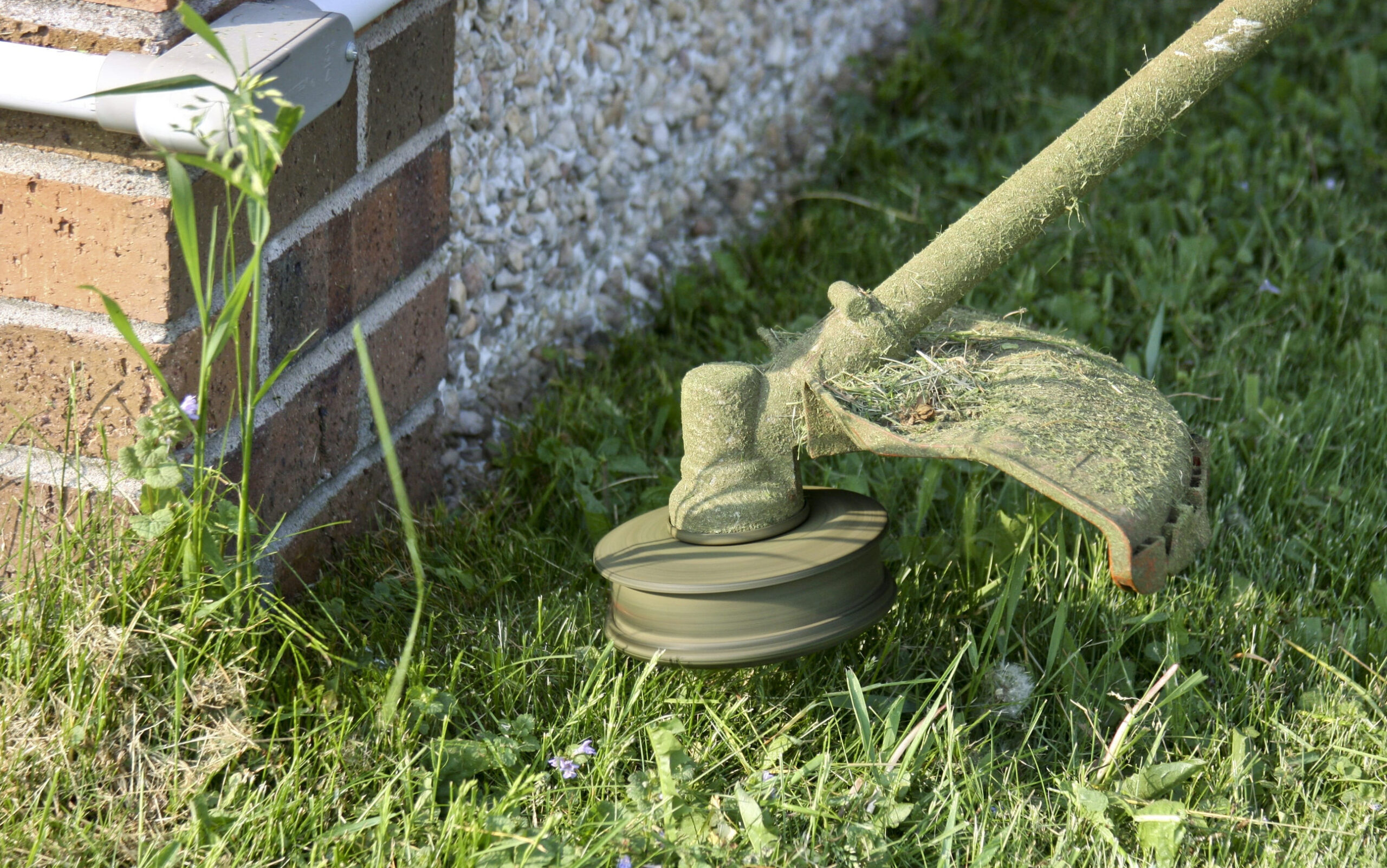
The condition of mowing equipment directly impacts lawn health.
Clean cuts heal more quickly and reduce moisture loss.
Dull mower blades tear grass rather than cutting it cleanly.
This can lead to:
Routine mower maintenance helps promote healthier turf throughout the growing season.
Weeds compete with grass for valuable resources.
During hot weather, this competition becomes even more significant.
Dense turf naturally helps suppress weed growth by limiting available sunlight and space.
Proper watering, mowing, and fertilization all contribute to stronger weed resistance.
Summer is often the busiest season for outdoor activities.
Unfortunately, repeated foot traffic can weaken turf and create worn areas.
Avoid concentrating activity in the same sections of the yard whenever possible.
Some areas may benefit from:
Reducing wear on vulnerable areas helps preserve lawn health throughout the season.
Summer heat affects more than just grass. Trees, shrubs, and landscape plants also require protection.
Mulch helps:
A fresh layer of mulch can significantly improve the health and appearance of landscape beds during the summer months.
Modern landscaping trends increasingly focus on reducing water demands while maintaining curb appeal.
These landscape elements often require less water while still providing visual interest and structure.
For properties with sandy soils, drought-tolerant landscaping can be especially beneficial.
The Brainerd Lakes region contains many seasonal properties and lake homes where lawn care presents unique challenges.
Regular property maintenance helps ensure lawns receive the attention they need even when owners are away.
Professional lawn care services can provide consistent maintenance and monitoring throughout the growing season.
Protecting a lawn from summer heat often requires a combination of proper timing, experience, and ongoing maintenance.
Professional lawn care services may include:
A comprehensive maintenance approach helps identify issues early and supports healthier turf throughout the summer.
Protecting your lawn during summer does more than preserve its appearance.
Long-term benefits include:
Healthy lawns develop deeper roots that improve resilience.
Proper maintenance improves the lawn’s ability to withstand future dry periods.
Preventative care helps avoid expensive lawn restoration projects.
A healthy lawn contributes significantly to the overall appearance and value of a property.
Today’s homeowners are increasingly focused on sustainable lawn care practices.
Popular trends include:
These practices help create healthier lawns while reducing environmental impact.
Summer heat is unavoidable, but lawn damage doesn’t have to be. By implementing proper watering techniques, maintaining healthy mowing practices, improving soil quality, and addressing problems early, homeowners can significantly reduce the effects of heat stress.
For properties throughout the Brainerd Lakes area, proactive lawn care helps maintain healthy, attractive outdoor spaces even during Minnesota’s warmest months. A consistent maintenance strategy supports stronger grass, healthier landscaping, and long-term property value while ensuring your yard remains enjoyable all season long.
RJ3 Property Maintenance
11189 Sleepy Hollow Drive
Brainerd, MN 56401
Phone: (218) 576-4992
Email: info@rj3pm.com
RJ3 Property Maintenance provides lawn care, landscaping, seasonal cleanup, snow removal, and property maintenance services throughout the Brainerd Lakes area, including Brainerd, Baxter, Pillager, Nisswa, Lake Shore, Merrifield, Crosslake, Garrison, Deerwood, Crosby, and Little Falls.