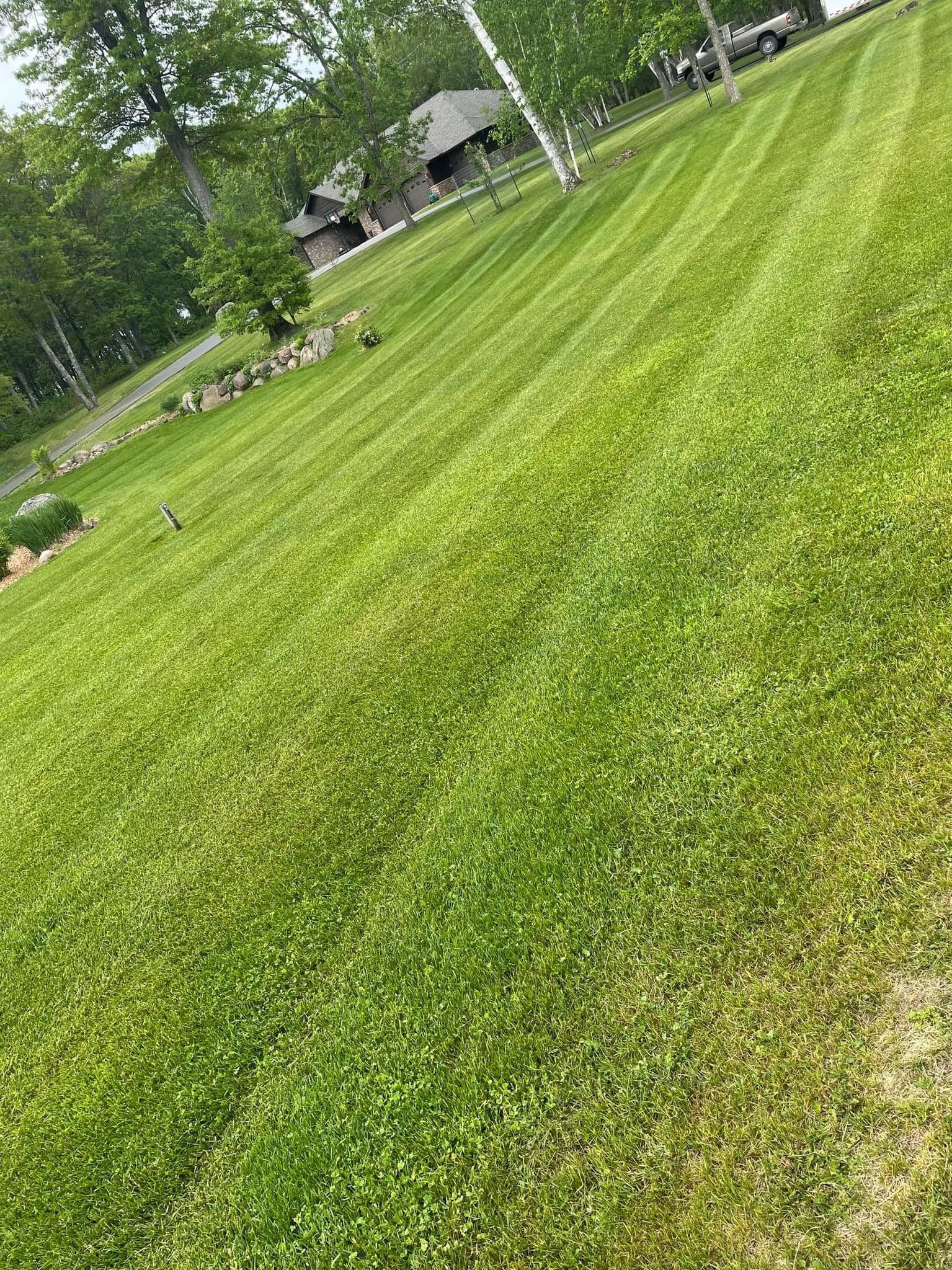

A thick, green lawn is something many Minnesota homeowners work hard to maintain. Regular mowing, watering, seasonal cleanup, aeration, and overseeding all contribute to healthy turf, but there is another lawn-care issue that sometimes develops beneath the grass where it isn’t immediately visible: thatch.
A small amount of thatch is normal. In fact, homeowners shouldn’t assume that every lawn needs to be dethatched simply because some organic material exists near the soil surface. Problems begin when the thatch layer becomes excessive and starts interfering with the movement of water, nutrients, and air into the soil.
When that happens, dethatching may become an important part of a lawn maintenance plan.
But when should you dethatch your lawn in Minnesota?
For Minnesota’s cool-season grasses, mid-August through September is generally the best time to dethatch a lawn. This period coincides with active cool-season turf growth and gives the lawn an opportunity to recover from the stress of dethatching before winter.
Timing is only part of the equation, though. Before pulling out a dethatcher or power rake, it’s important to determine whether your lawn actually has a thatch problem and whether dethatching or another lawn-care practice, such as core aeration, is the better solution.https://extension.umn.edu/lawns-and-landscapes-minnesota/lawn-care-calendar
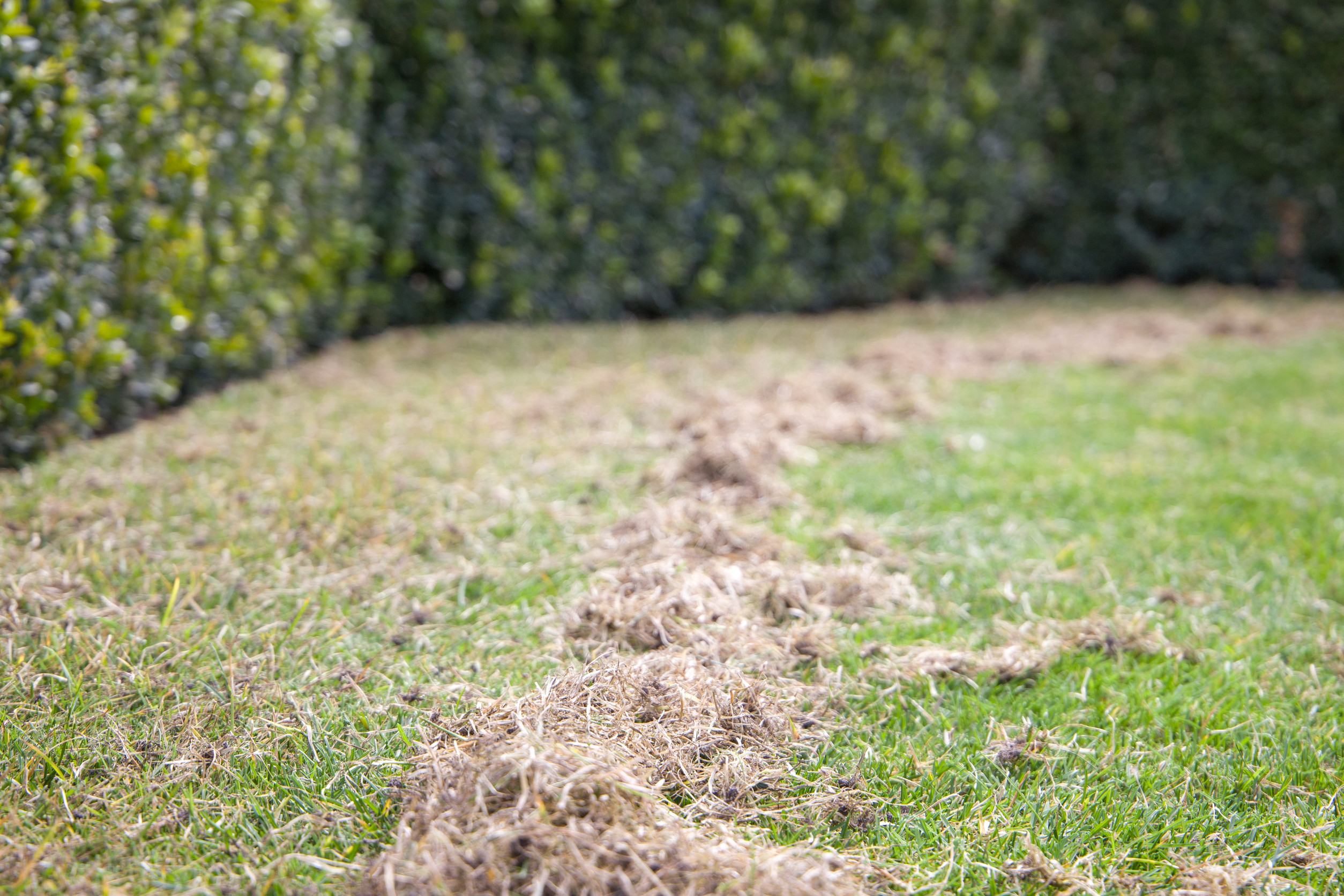
Thatch is the layer of living and dead organic material that develops between the green grass blades and the soil surface.
It can contain material such as:
One common misconception is that grass clippings are the primary cause of thatch. In a properly maintained lawn, ordinary grass clippings generally decompose relatively quickly. The more persistent stems, roots, and other plant tissues are more significant contributors to thatch accumulation.
A modest thatch layer isn’t necessarily harmful. It can provide some insulation and cushioning around the turf.
The concern is excessive thatch.
When the layer becomes too thick, it can interfere with normal lawn health and create an environment where turf becomes more difficult to manage.
Not every Minnesota lawn needs routine dethatching.
Before scheduling the work, examine the lawn rather than assuming dethatching should be part of every spring or fall cleanup.
One simple method is to remove a small wedge or plug of turf that extends through the grass and into the soil. Looking at the side of the sample allows you to see the layer between the green vegetation and actual soil.
A noticeably thick, spongy layer may indicate excessive thatch.
Other possible signs include:
A lawn with substantial thatch can feel unusually soft or springy when you walk across it.
Healthy soil shouldn’t necessarily feel hard, but an obvious cushion between the grass and soil can be a clue that organic material has accumulated.
If you water the lawn but the soil beneath remains relatively dry, an excessive organic layer may be interfering with water movement.
Before assuming thatch is responsible, however, consider other possibilities such as soil compaction, slope, irrigation coverage, or extremely dry soil.
A lawn may receive regular mowing and watering yet still struggle to develop dense turf.
Thatch isn’t the only possible cause, but it is one condition worth checking.
When the layer above the soil becomes excessive, grass roots may begin developing within that organic material rather than extending deeply into the soil.
Shallow-rooted turf can be more vulnerable to drought, heat, and other environmental stresses.
For Minnesota lawns, the best dethatching window is generally mid-August through September.
This timing is particularly well suited to the cool-season grasses commonly grown throughout Minnesota.
Cool-season turf naturally becomes more active as temperatures moderate after summer. Dethatching during active growth gives grass a better opportunity to recover from the disruption caused by the process.
That recovery period matters because dethatching isn’t a gentle cosmetic treatment.
Mechanical dethatching can aggressively disturb the lawn. The equipment pulls accumulated material from the turf canopy and may temporarily leave the lawn looking rough.
Healthy, actively growing grass is better positioned to recover.
Late summer and early fall provide several advantages.
Minnesota’s cool-season grasses generally perform better as the intense heat of midsummer begins to fade.
Although air temperatures are becoming more comfortable, soil retains warmth from summer. This creates favorable conditions for continued turf growth.
Because the grass is actively growing, damaged areas can recover more effectively than they would during summer dormancy or immediately before winter.
Late summer and early fall also overlap with the preferred timing for several other important Minnesota lawn-care practices, including aeration and overseeding.
This can make fall an important period for evaluating the overall condition of your lawn rather than treating each maintenance task in isolation.
Spring dethatching is frequently discussed, particularly because homeowners are eager to clean up their properties once the snow disappears.
However, spring isn’t generally the preferred dethatching period for Minnesota lawns.
After a long winter, turf is already transitioning out of dormancy and beginning its seasonal growth cycle. Aggressive dethatching too early can place additional stress on grass before it is ready to recover.
There is also an important distinction between light spring raking and mechanical dethatching.
Removing leaves, sticks, matted debris, and other material during a spring cleanup is not necessarily the same thing as using a power rake or dethatching machine to aggressively remove the organic layer beneath the turf.
RJ3 Property Maintenance provides spring and fall yard cleanup services in addition to regular lawn care, which can help keep seasonal debris from accumulating across the property.
The key is understanding what the lawn actually needs rather than treating every spring cleanup as an opportunity for aggressive dethatching.
June, July, and early August are generally poor times for aggressive dethatching in Minnesota.
Summer can place significant stress on cool-season turf.
Hot temperatures, limited rainfall, heavy use, and warm soil can slow turf growth. Grass may enter a period of reduced activity as it attempts to conserve resources.
Dethatching during this period creates additional stress at precisely the time when the lawn may have less ability to recover.
If excessive thatch is discovered during midsummer, it is usually better to monitor the lawn and plan corrective maintenance for the appropriate late-summer or early-fall window.
Dethatching and aeration are sometimes confused, but they address different lawn conditions.
Dethatching focuses on removing excessive organic material from between the turf and soil.
A dethatcher or power rake uses mechanical action to pull material upward, where it can then be collected and removed.
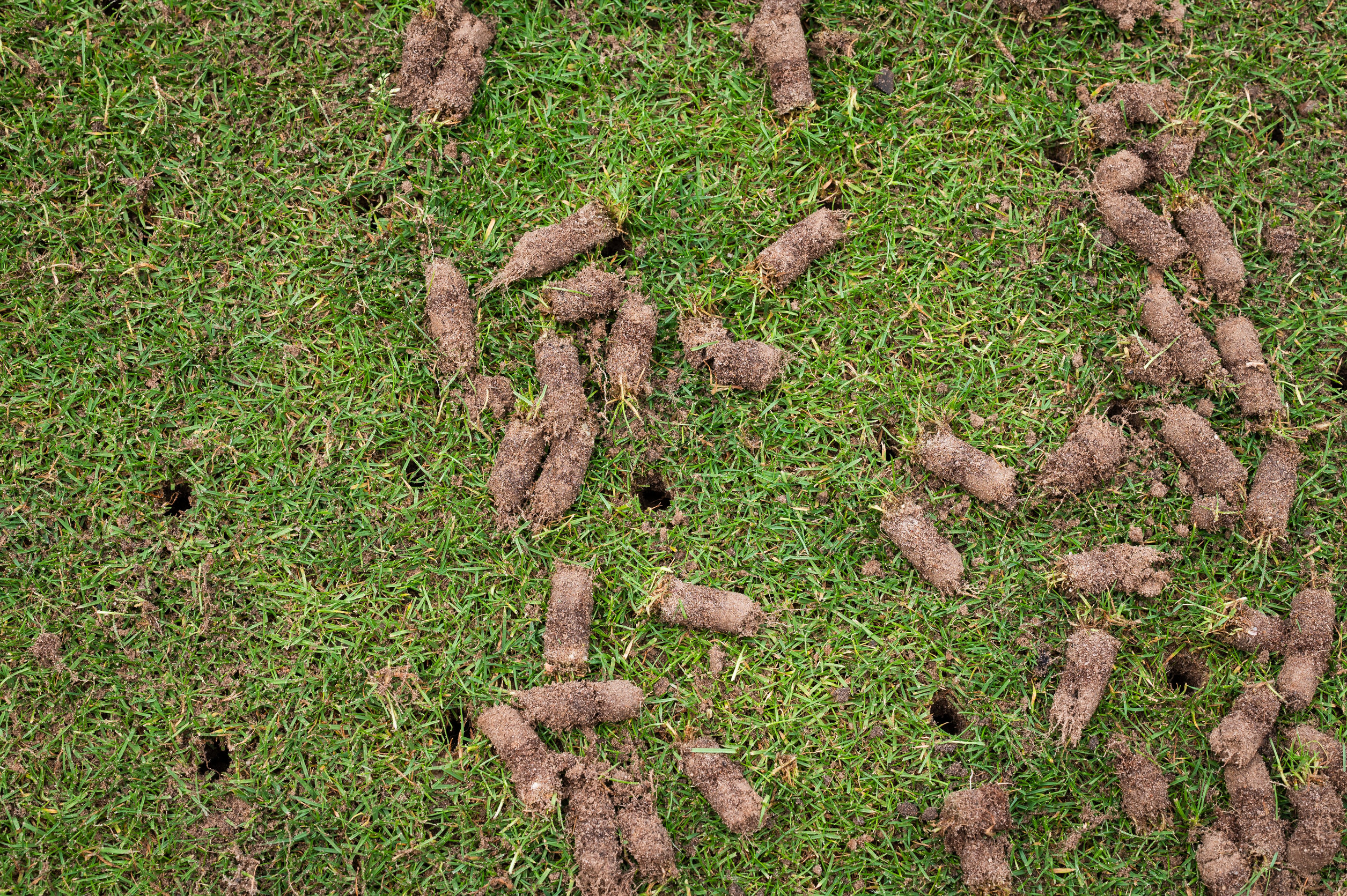
Core aeration removes small plugs of soil from the lawn.
Its primary benefits include reducing soil compaction and improving the movement of air, water, and nutrients into the root zone.
Core aeration can also help manage thatch by bringing soil and microorganisms into greater contact with the organic layer, encouraging natural decomposition.
For some lawns, core aeration may be preferable to aggressive power raking, particularly when soil compaction is also contributing to poor turf performance.
The right choice depends on what is happening beneath the grass.
Sometimes what appears to be a thatch problem is actually a soil problem—or a combination of both.
Compacted soil limits:
This is especially relevant on lawns that experience significant foot traffic, equipment use, or other activity.
In these situations, removing thatch without addressing compaction may not solve the underlying lawn problem.
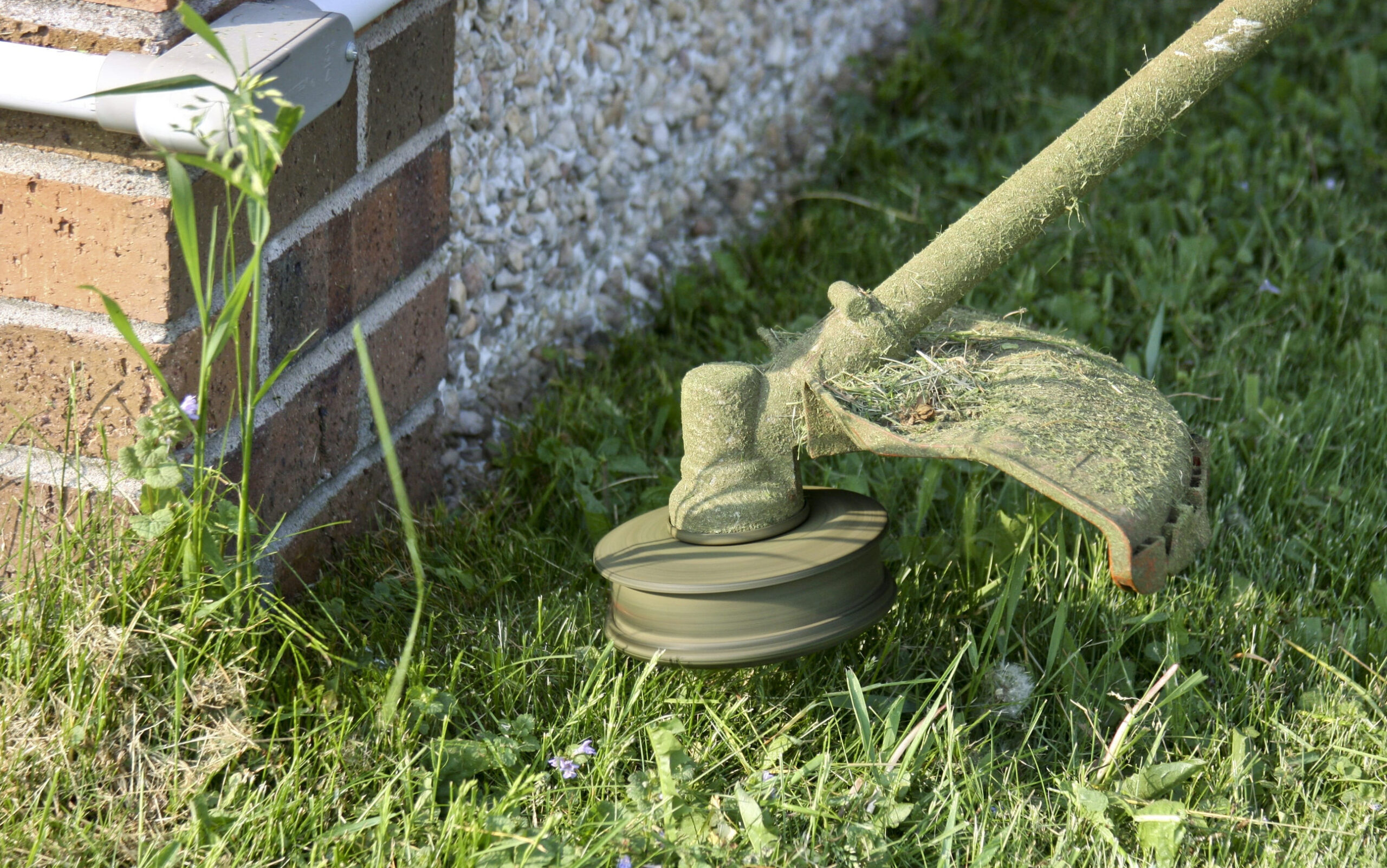
RJ3 Property Maintenance offers aeration and overseeding as part of its broader property-maintenance services, complementing its regular lawn mowing, trimming, edging, debris cleanup, landscaping, and seasonal maintenance services.
Yes, particularly when it is done unnecessarily, too aggressively, or at the wrong time.
Dethatching equipment mechanically disrupts the turf canopy. Some healthy grass can be pulled or damaged during the process.
That’s why dethatching shouldn’t automatically be treated as an annual lawn-care requirement.
If the thatch layer isn’t excessive, aggressive removal may create more stress than benefit.
The objective isn’t to remove every trace of organic material. It’s to manage an excessive layer when it begins interfering with healthy turf growth.
Understanding why thatch develops can help prevent the same issue from quickly returning.
Several factors can contribute.
Some turfgrasses naturally produce thatch more readily because of their growth habits.
Overfertilization can encourage rapid top growth and organic material production beyond what microorganisms can efficiently break down.
Soil conditions that limit biological activity can slow decomposition.
Constantly wet conditions can contribute to poor root development and other turf problems.
Compaction can interfere with healthy soil activity while restricting root growth and water infiltration.
The most effective long-term approach is therefore not simply removing thatch, but improving overall lawn health.
Start by determining whether the thatch layer is actually excessive.
If dethatching appears appropriate, consider the current condition of the grass and weather forecast.
The lawn should be actively growing and healthy enough to recover from the process.
Avoid dethatching when the lawn is:
Mowing before dethatching may also make it easier for equipment to reach the organic layer, although the lawn shouldn’t be scalped.
The lawn may look somewhat rough immediately after dethatching. This is normal.
Loose organic material should be collected so it doesn’t simply remain across the turf surface.
Afterward, evaluate the exposed lawn.
Thin or bare areas may benefit from overseeding if conditions and timing are appropriate. Late summer and early fall are also favorable periods for establishing many Minnesota cool-season grasses, making dethatching and overseeding complementary practices in some situations.
Appropriate watering becomes particularly important if new grass seed is applied.
The goal is to help the existing turf recover while creating favorable conditions for new seedlings.
Overseeding can be beneficial when dethatching exposes thin areas or when improving turf density is already part of the lawn-care plan.
One benefit of dethatching is that removing excessive material can improve seed-to-soil contact.
Grass seed performs best when it has appropriate contact with the soil rather than sitting on top of a thick organic layer.
However, overseeding isn’t automatically required every time a lawn is dethatched.
If the turf remains dense and healthy, additional seed may not be necessary.
Proper mowing is an important part of maintaining healthy turf.
RJ3 Property Maintenance recommends avoiding removal of more than approximately one-third of the grass blade during a single mowing. Consistent mowing at an appropriate height helps maintain healthy growth without placing unnecessary stress on the grass.
Contrary to a common lawn myth, homeowners generally don’t need to bag every grass clipping simply to prevent thatch.
Properly sized clippings break down relatively quickly and return nutrients to the lawn.
Maintaining healthy soil conditions is much more important than obsessively removing ordinary grass clippings.
There is no universal dethatching schedule.
Some lawns may develop excessive thatch relatively quickly, while others may go years without requiring mechanical removal.
Rather than deciding to dethatch every year, inspect the lawn periodically and base the decision on actual conditions.
This approach prevents unnecessary disruption and allows lawn maintenance to focus on what the turf genuinely needs.
For some properties, regular core aeration, appropriate fertilization, correct mowing, and good irrigation practices may help manage thatch naturally enough that aggressive dethatching is rarely necessary.
Minnesota’s climate makes timing one of the most important parts of lawn care.
Cool-season turf experiences dramatic changes throughout the year.
Spring encourages rapid growth. Summer can bring heat and drought stress. Late summer and fall provide another period of active growth before winter dormancy.
Matching maintenance practices to those natural growth cycles can improve results while reducing unnecessary stress.
That principle applies to:
Rather than viewing lawn care as a list of chores performed whenever convenient, it is more useful to think of each season as having a different purpose.
Properties throughout Brainerd, Baxter, Nisswa, Crosslake, Lake Shore, Merrifield, Crosby, Deerwood, Garrison, and surrounding Central Minnesota communities experience demanding seasonal conditions.
Long winters, snow cover, spring moisture, summer heat, and changing rainfall patterns can all influence lawn health.
Some properties also receive substantial seasonal use from families, pets, visitors, and outdoor activities, particularly around cabins and lake homes.
That makes it important to look at the lawn as a complete system.
A thin or struggling lawn doesn’t automatically need dethatching. It could be affected by compaction, shade, drought, improper mowing, poor soil, drainage, pests, disease, or another environmental condition.
Correctly identifying the problem before choosing a treatment can prevent unnecessary work and protect the health of the turf.
For Minnesota homeowners, mid-August through September is generally the best time to dethatch because cool-season grasses are entering an active period of growth and have an opportunity to recover.
More importantly, dethatching should only be performed when the lawn actually has an excessive thatch layer.
A small amount of organic material is normal and doesn’t need to be eliminated.
If your lawn feels unusually spongy, water struggles to penetrate the turf, or an inspection reveals a substantial layer between the grass and soil, it may be time to consider thatch management.
Depending on the condition of the lawn, core aeration may also be an effective option—especially when soil compaction is present.
Knowing when to dethatch your lawn can prevent an aggressive lawn-care practice from doing more harm than good.
For Minnesota lawns, late summer into early fall provides the preferred window, with mid-August through September generally offering favorable conditions for cool-season turf recovery.
But timing should always be combined with an assessment of the lawn itself.
Healthy lawn care isn’t about performing every possible service each year. It’s about understanding what the turf needs and choosing the appropriate maintenance at the appropriate time.
Regular mowing, proper watering, sensible fertilization, aeration when needed, overseeding, seasonal cleanup, and occasional thatch management can work together to support thicker, more resilient grass throughout Minnesota’s demanding growing season.
For homeowners in the Brainerd Lakes Area, that seasonal approach can help maintain a lawn that looks attractive while remaining better prepared for summer stress, winter weather, and everything Minnesota brings in between.
RJ3 Property Maintenance
11189 Sleepy Hollow Drive
Brainerd, MN 56401
Phone: (218) 576-4992
Email: info@rj3pm.com
Website: https://rj3pm.com
RJ3 Property Maintenance provides lawn care and property maintenance throughout Brainerd, Baxter, Pillager, Nisswa, Lake Shore, Merrifield, Crosslake, Garrison, Crosby, Deerwood, Little Falls, and other surrounding communities.