
Late summer in Minnesota can feel like an in-between season. Moreover, the hottest days are beginning to fade. Leaves haven’t started falling in earnest, and winter still seems comfortably far away. It is tempting to simply keep mowing the lawn. Wait for fall before worrying about seasonal yard work.
However, August and September are actually some of the most important months for property maintenance in Minnesota.
Your lawn has spent months dealing with heat and dry periods. Foot traffic, pets, outdoor gatherings, and regular mowing have also taken a toll.
Landscape beds may be filling with weeds.
Shrubs have had an entire summer to grow. Small maintenance issues can easily turn into bigger fall projects if they are ignored. Ongoing lawn maintenance can help restore health.
A little late summer yard maintenance can make the transition into fall considerably easier while also helping your lawn and landscaping prepare for the colder months ahead.
For homeowners throughout Brainerd and the surrounding Lakes Area, these seven tasks provide a practical starting point for preparing your property for another Minnesota fall.
The first step in fall yard preparation is simply taking a good look at your lawn.
Summer can reveal weaknesses that weren’t obvious during spring’s rapid growth. By late August, you may notice thin patches, compacted areas, weeds, drought stress, or damage in heavily traveled portions of the yard.
Walk around the property and look for:
Don’t immediately assume every brown patch needs more water or every thin area needs seed. Several different lawn problems can look similar from above.
Understanding the condition of the turf first helps you decide which late summer lawn care tasks will actually benefit your property.
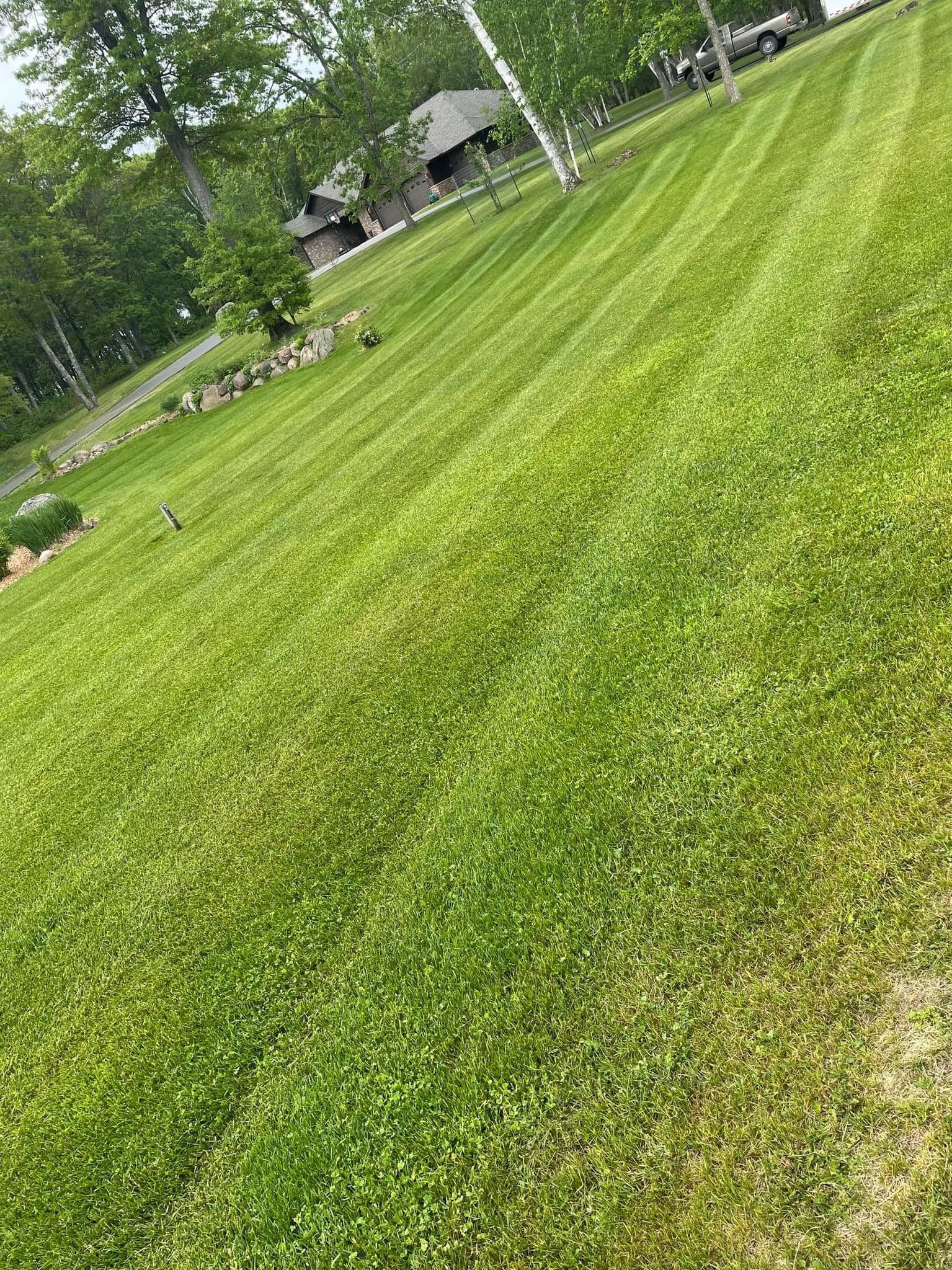
Late summer is not the time to put away the mower.
Continue mowing according to the lawn’s growth rather than the date on the calendar. Avoid removing too much of the grass blade at once, and keep mower blades sharp so they make clean cuts instead of tearing the turf.
Minnesota lawns often continue growing well into fall. Maintaining the lawn properly during this transition helps keep it healthy while preventing excessive growth from becoming another fall chore.
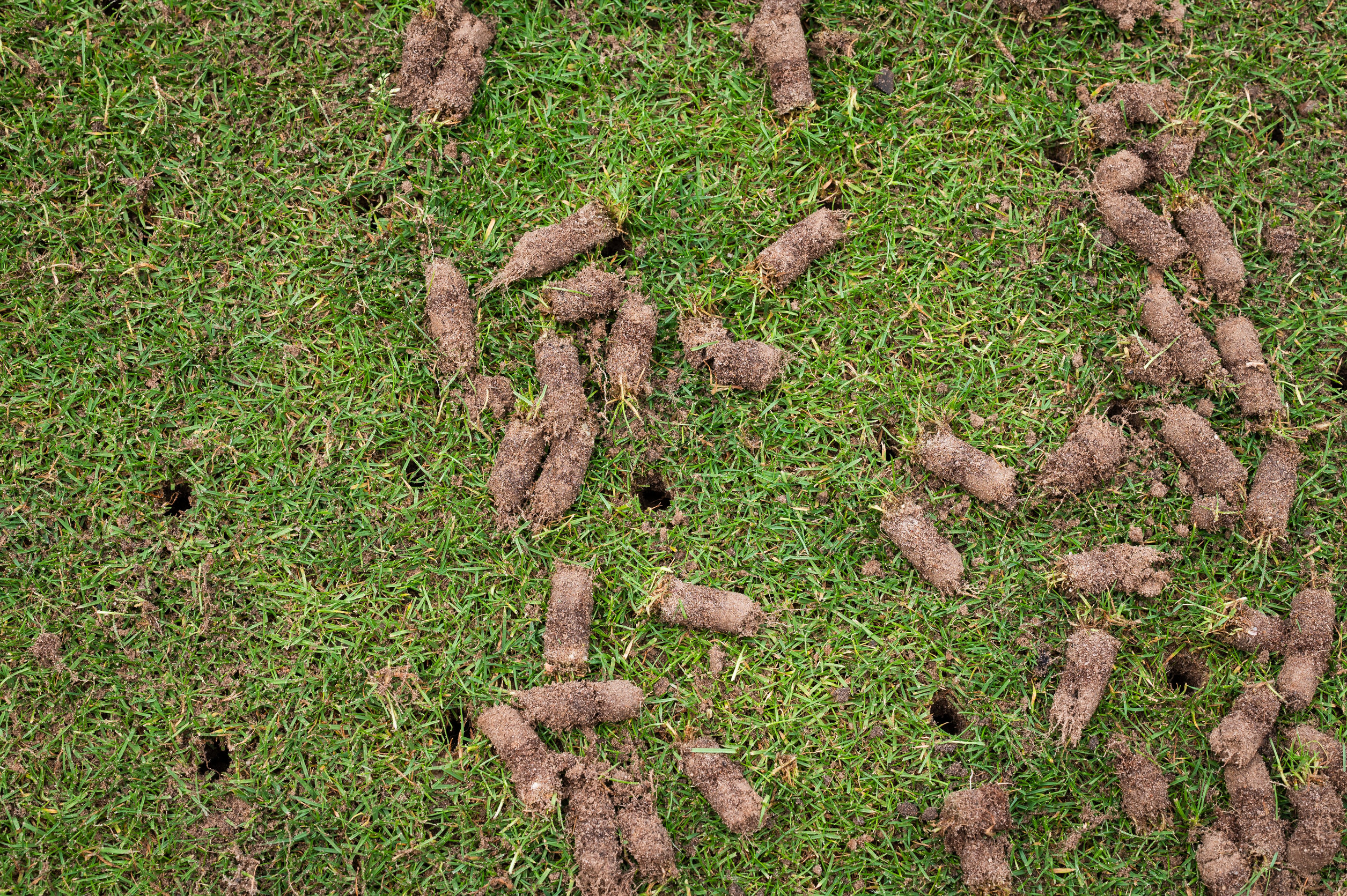
After a busy summer, soil compaction can become an issue—especially in lawns that see frequent activity from children, pets, visitors, lawn equipment, or repeated foot traffic.
Compacted soil has less space for air and water to move through the root zone. Grass roots can also have a harder time developing in densely packed soil.
Core aeration helps address this by removing small plugs of soil from the lawn.
Late summer into early fall is an excellent time for this work because Minnesota’s cool-season turf begins another period of active growth as temperatures become more moderate.
University of Minnesota Extension identifies mid-August through mid-October as the preferred aeration window for Minnesota lawns.
Signs your lawn may benefit from aeration include:
Not every lawn needs aeration every year. The decision should be based on actual soil and lawn conditions rather than treating aeration as an automatic annual task.
Late summer is also one of Minnesota’s best opportunities to repair thin turf.
University of Minnesota Extension identifies early August through late September as the preferred period for seeding Minnesota lawns. Warm soil encourages germination while increasingly moderate temperatures create favorable conditions for cool-season grasses.
Before reseeding, determine why the area became thin in the first place.
Possible causes include:
Correcting the underlying problem gives new grass a better chance of succeeding.
Seed also needs appropriate contact with the soil. Simply scattering grass seed over dense turf, leaves, or thick organic material may produce disappointing results.
When both soil compaction and thin turf are present, aeration and overseeding can work particularly well together.
By late summer, garden and landscape beds can look considerably different than they did in May.
Plants have matured, weeds have had months to establish, mulch may have shifted, and summer storms can leave behind sticks, leaves, and other debris.
Cleaning beds now prevents everything from accumulating into one large seasonal yard cleanup later.
Start with simple maintenance:
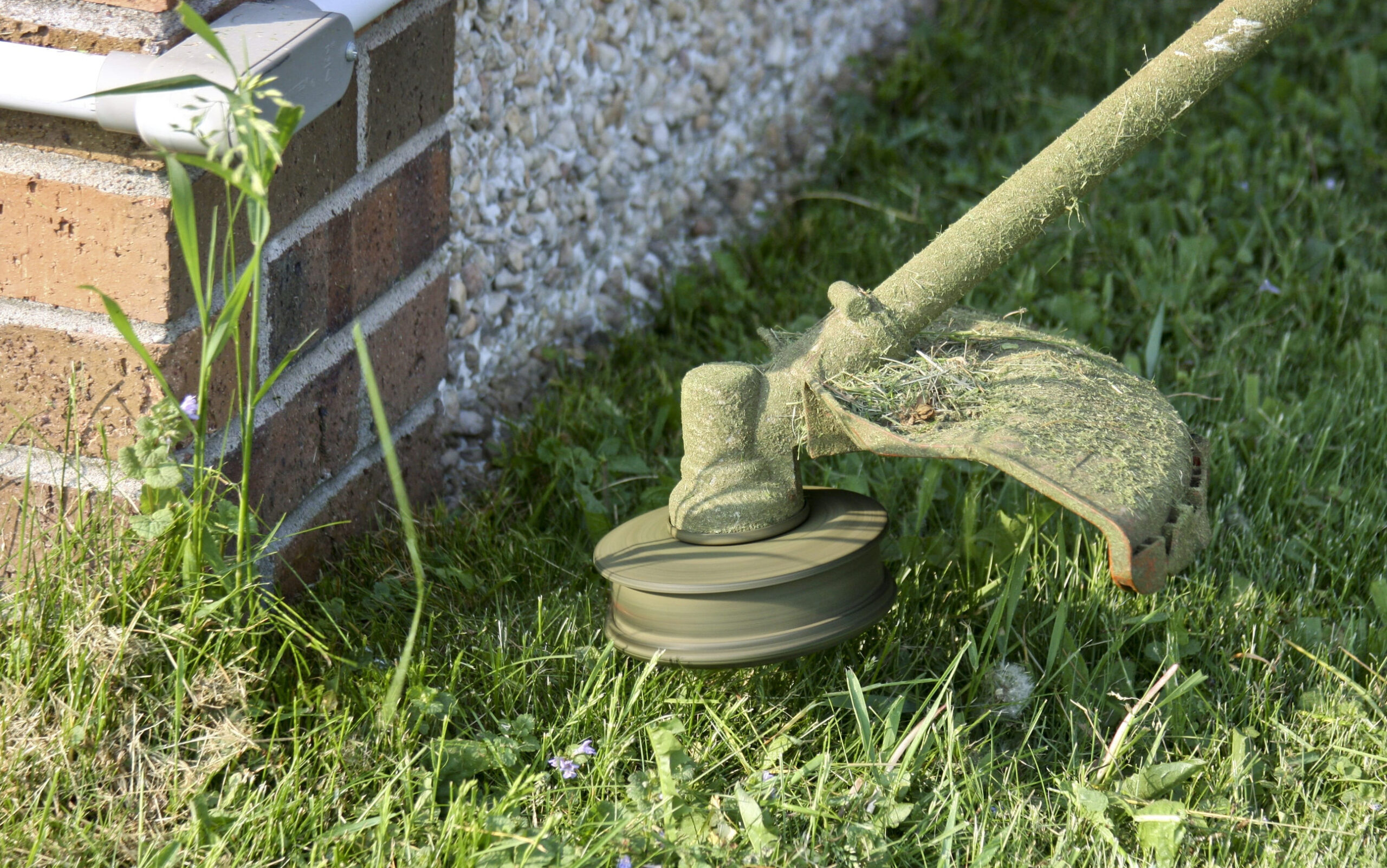
Pay particular attention to weeds that are flowering or preparing to produce seed. Allowing them to mature can contribute to future weed problems.
This is also a good opportunity to assess mulch coverage. If soil is exposed because mulch has decomposed or washed away, refreshing those areas can improve appearance while helping conserve moisture and suppress weeds.
Shrubs can put on substantial growth during a Minnesota summer.
By August, branches may extend into walkways, over lawn edges, or across neighboring plants. Dead or damaged branches may also become more noticeable after summer storms.
Late summer is a useful time to inspect shrubs, but pruning should be approached thoughtfully.
Different shrubs have different pruning requirements. Some flowering shrubs develop next year’s flower buds on older growth, so aggressive pruning at the wrong time may reduce future blooms.
Instead of automatically giving every shrub a major haircut, focus on maintaining the property and addressing obvious concerns.
That may include:
Routine inspection also gives you an opportunity to notice insect damage, discoloration, or other changes before the growing season ends.
For homeowners using Brainerd property maintenance services, combining shrub care with garden weeding, cleanup, and other seasonal tasks can help keep the entire property looking consistent rather than addressing each area separately.
Waiting until every tree is bare before beginning fall cleanup can turn leaf removal into an enormous project.
Instead, begin managing debris as it accumulates.
Early-falling leaves, small branches, spent flowers, grass clippings, and storm debris can collect around landscape beds, patios, fences, shrubs, and other areas of the property.
Regular cleanup keeps the yard looking maintained and reduces the amount of material waiting later in the season.
Leaves deserve particular attention once they begin covering the lawn.
A light layer of leaves can often be mulched with a mower. However, thick layers shouldn’t remain on turf for extended periods. Excessive leaf cover can block sunlight and create unfavorable conditions for the grass beneath.
As fall progresses, continue removing or appropriately mulching leaves rather than allowing them to form a heavy mat.
RJ3 Property Maintenance’s yard cleanup services include leaf removal, weed control, brush and debris hauling, pruning and trimming, and other seasonal cleanup tasks, making this type of ongoing maintenance directly relevant for Brainerd Lakes properties.
One of the smartest late summer yard maintenance tasks doesn’t require a mower, rake, or shovel.
Make a plan.
Once fall arrives in Minnesota, the available maintenance window can feel surprisingly short. Leaves begin falling, daylight decreases, temperatures drop, and suddenly homeowners are trying to complete lawn work, clean landscape beds, remove leaves, put away outdoor items, and prepare for winter at the same time.
Late summer gives you an opportunity to identify what needs attention before that rush begins.
Walk around your property and note tasks such as:
Prioritize jobs with limited seasonal windows.
For example, seeding, aerating, and certain lawn treatments depend much more heavily on timing than simply picking up a fallen branch.
Planning ahead helps ensure important lawn-care opportunities aren’t missed because all of the work was saved for late October.
Minnesota’s cool-season grasses naturally respond to changing temperatures.
During hot summer weather, grass growth may slow. As cooler conditions return, shoots begin actively growing again and the plants prepare for winter.
That makes late summer and early fall an important transition period.
Instead of viewing fall maintenance only as “cleaning up before snow,” think of it as preparing the lawn and landscape for both winter and next spring.
The work you complete now can influence:
Good Minnesota yard maintenance follows these seasonal cycles rather than treating every month the same.
Preparing for fall doesn’t mean treating late August as if winter is arriving tomorrow.
Grass still needs to grow. Plants are still active. Warm weather can continue well into September.
Avoid unnecessarily cutting the lawn extremely short or removing healthy plant material simply because summer is ending.
Continue normal maintenance while gradually shifting your attention toward fall priorities.
University of Minnesota Extension recommends continuing to mow until grass stops growing in the fall, which may be around the end of October depending on conditions.
The objective is a gradual seasonal transition, not an abrupt end to lawn care.
While completing your fall lawn preparation, take note of problems you may want to address next year.
Did one landscape bed constantly fill with weeds? Did water pool in a particular area after heavy rain? Did a portion of the lawn struggle throughout summer? Are shrubs becoming too large for their location?
Keeping a simple list can make future landscaping and property-maintenance decisions easier.
Sometimes the best time to notice a problem isn’t when you are ready to fix it. Late summer provides a useful opportunity to see how your property performed through an entire growing season.
Preparing a Minnesota property for fall doesn’t have to happen during one exhausting weekend.
In fact, spreading maintenance across late summer and fall is often much easier.
Begin with lawn evaluation, aeration or seeding when needed, weed control, and landscape-bed maintenance. As leaves begin dropping, gradually shift toward debris management and seasonal cleanup.
This approach allows you to complete time-sensitive work when conditions are favorable while preventing leaves and other fall tasks from piling up.
For homeowners, cabin owners, and seasonal residents throughout the Brainerd Lakes Area, consistent maintenance can be particularly useful. Properties that receive heavy summer use often need extra attention as the busy season winds down.
The transition from summer to fall is one of the most useful times on Minnesota’s property-maintenance calendar.
Instead of waiting for the first heavy leaf drop, use late summer to assess the lawn, address soil compaction, reseed thin areas, control weeds, clean landscape beds, inspect shrubs, and organize your upcoming fall tasks.
Effective late summer yard maintenance isn’t about making the yard perfect before September. It’s about staying ahead of seasonal changes and completing the right jobs while conditions are still favorable.
For Brainerd Lakes Area homeowners, a little preparation in August and September can mean a healthier lawn, cleaner landscaping, and a much more manageable fall cleanup.
More importantly, thoughtful seasonal maintenance helps prepare the entire property for Minnesota’s next transition—when cool autumn days eventually give way to frozen ground, snow, and another long winter.
For information about lawn care, aeration and seeding, garden care, yard cleanup, brush hauling, landscaping, or other property-maintenance services:
RJ3 Property Maintenance
11189 Sleepy Hollow Drive
Brainerd, MN 56401
Phone: (218) 576-4992
Email: info@rj3pm.com