
Warm temperatures combined with frequent moisture create ideal conditions for rapid turf growth — but they also introduce challenges that many homeowners don’t anticipate. During the most active stretch of the growing season in Minnesota, lawns are especially vulnerable to fungal diseases and moisture-related stress that can quietly undermine turf health. Understanding how humidity, airflow, watering habits, and mowing practices interact during this period helps property owners protect their lawns before visible damage takes hold.
Fungal lawn diseases tend to appear when three conditions overlap: warmth, moisture, and limited airflow. In Minnesota, these conditions often align during the height of summer.
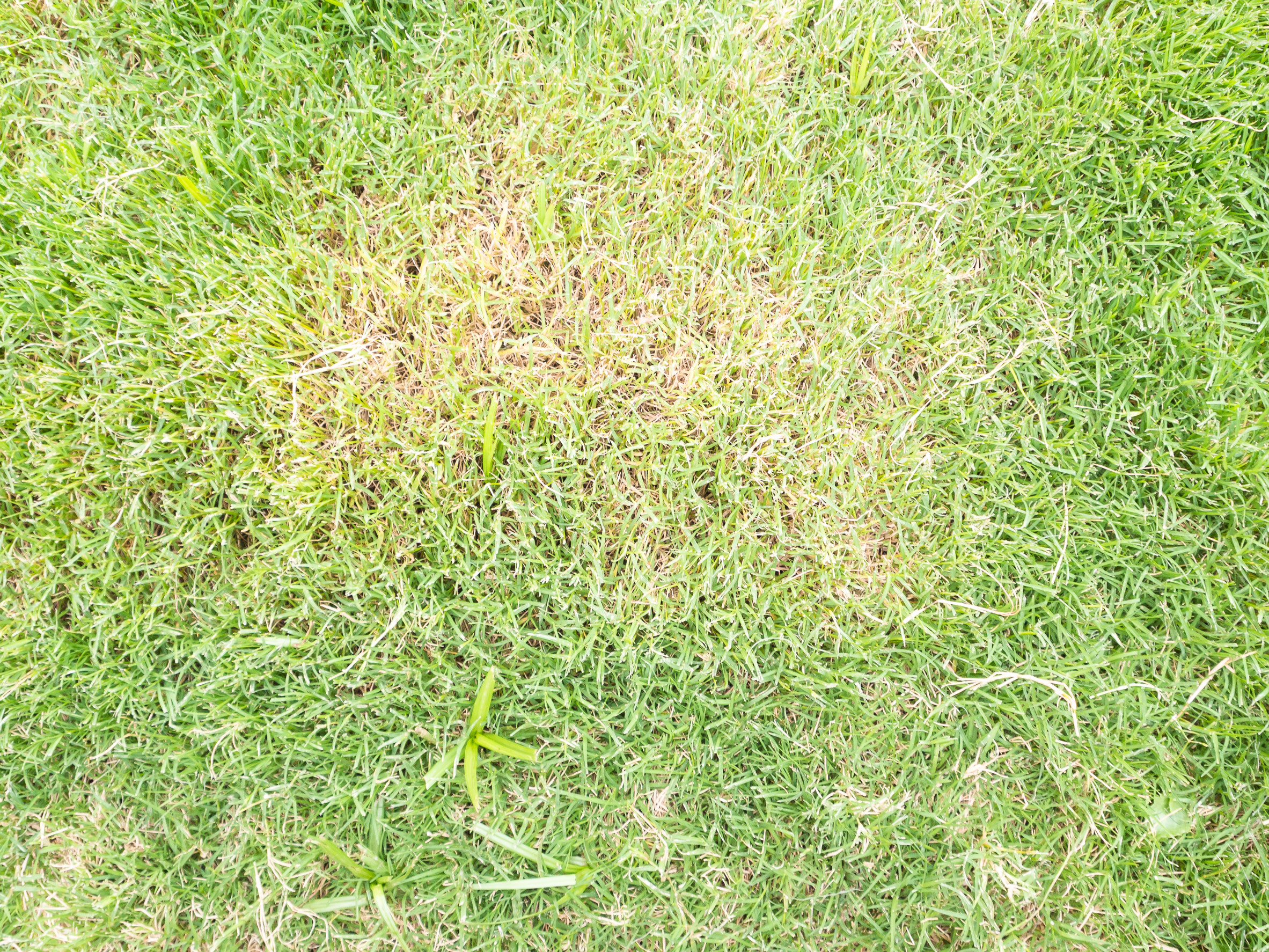
Unlike insects or weeds, lawn fungus is often subtle at first. It develops at the soil level or within dense turf canopies, spreading quietly until discoloration, thinning, or patching becomes noticeable. By the time symptoms are obvious, stress may already be well established.
A preventative, awareness-based approach is far more effective than reactive treatment.
Moisture-driven lawn diseases vary in appearance but share similar environmental triggers. Common issues include:
These conditions are not caused by neglect alone — even lawns that receive consistent care can be affected if environmental conditions favor fungal development.
Several seasonal factors contribute to increased fungal pressure:
Extended moisture on grass blades from rain, dew, or irrigation creates ideal conditions for spores to activate.
When nights remain warm, lawns dry more slowly, allowing fungal organisms to persist.
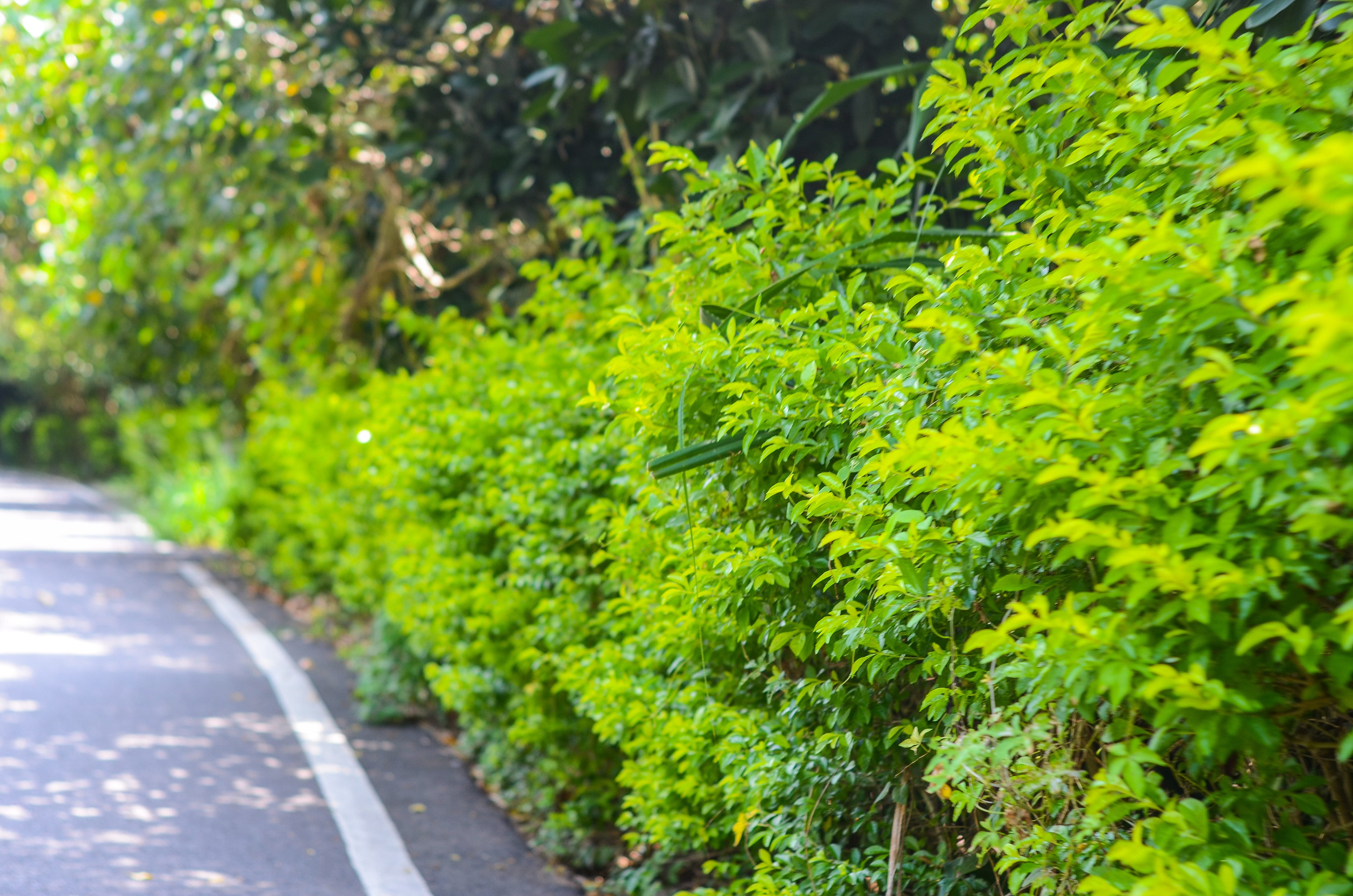
Dense turf, shade, and tightly planted landscapes restrict air movement and evaporation.
Compacted soil holds excess moisture near the surface and limits oxygen availability to roots.
Watering habits are one of the most controllable factors in fungal prevention.
Effective practices include:
Overwatering weakens turf resilience and increases disease pressure.
Mowing directly affects airflow and moisture retention.
Maintaining slightly taller grass:
Consistency matters more than frequency. Excessive clipping buildup traps moisture and increases fungal risk.
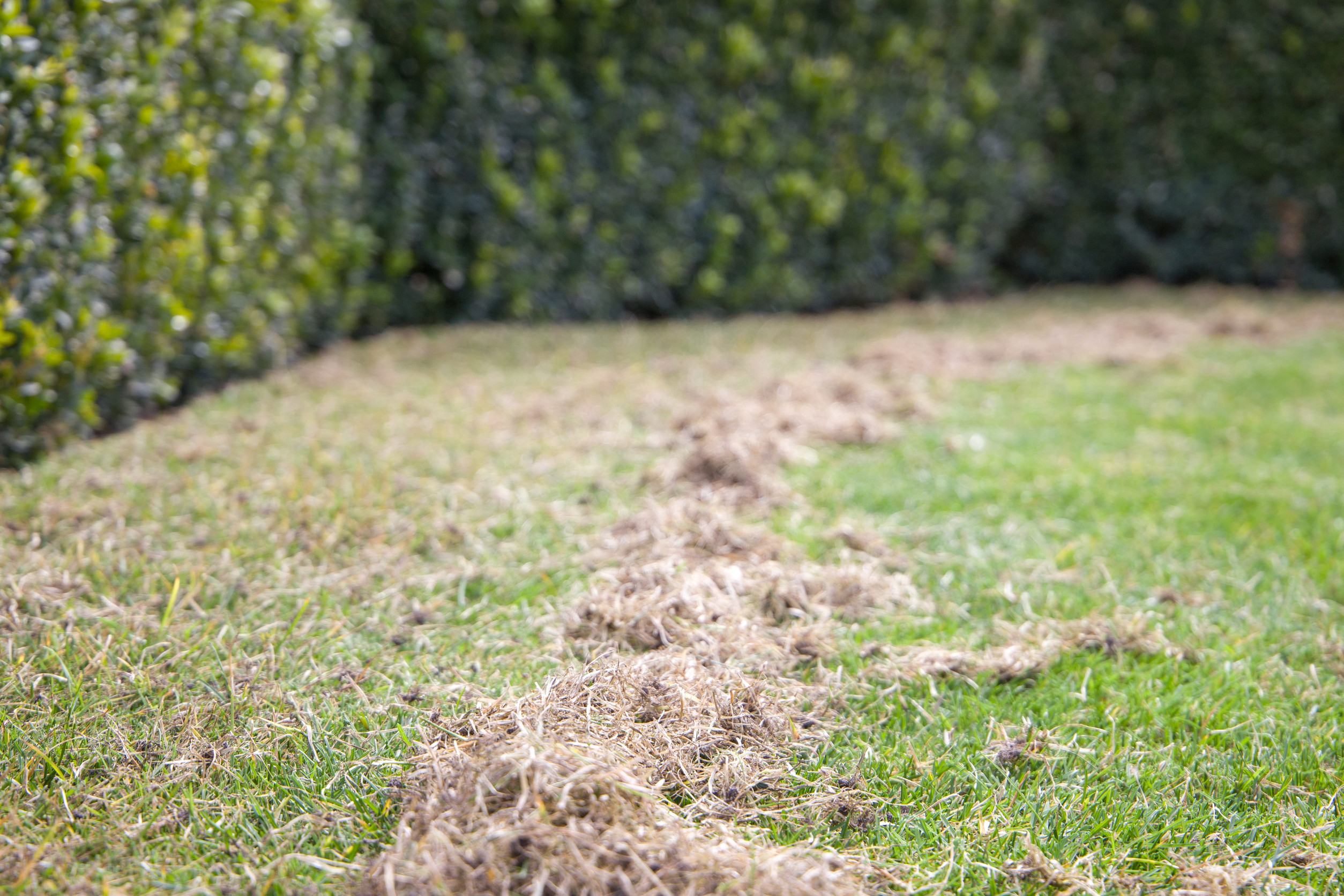
Excess thatch can trap moisture near the soil surface, creating conditions where fungus thrives.
Healthy lawns maintain:
Monitoring thatch levels is especially important during warm, humid periods.
Strong soil structure improves turf resistance to disease.
Healthy soil:
Saturated or compacted soils increase vulnerability to fungal stress.
Microclimates within a property influence moisture retention.
High-risk areas often include:
Identifying these zones allows for targeted care adjustments.
Fungal stress is commonly confused with drought stress or nutrient deficiency.
Key differences include:
Accurate identification prevents unnecessary treatments.
Most moisture-related lawn diseases do not permanently damage turf if addressed early.
Recovery depends on:
Patience and proper care often outperform aggressive intervention.
Seasonal properties face added risk due to inconsistent care.
Stabilizing strategies include:
These steps help preserve turf health even with intermittent use.
Preventative care does not require heavy chemical use.
Sustainable strategies include:
Healthy turf naturally resists many disease pressures.
Moisture-related lawn disease is a common challenge during the warmest stretch of the growing season in Minnesota. By understanding how humidity, watering habits, airflow, and soil health interact, homeowners can reduce disease pressure and protect long-term turf health. Proactive adjustments, rather than reactive treatments, help lawns remain resilient, attractive, and functional throughout periods of elevated heat and moisture.
If you have questions about lawn health, moisture management, or maintaining resilient turf for your Minnesota home or cabin, please contact:
RJ3 Property Maintenance
11189 Sleepy Hollow Drive
Brainerd, MN 56401
Phone: 218-576-4992