
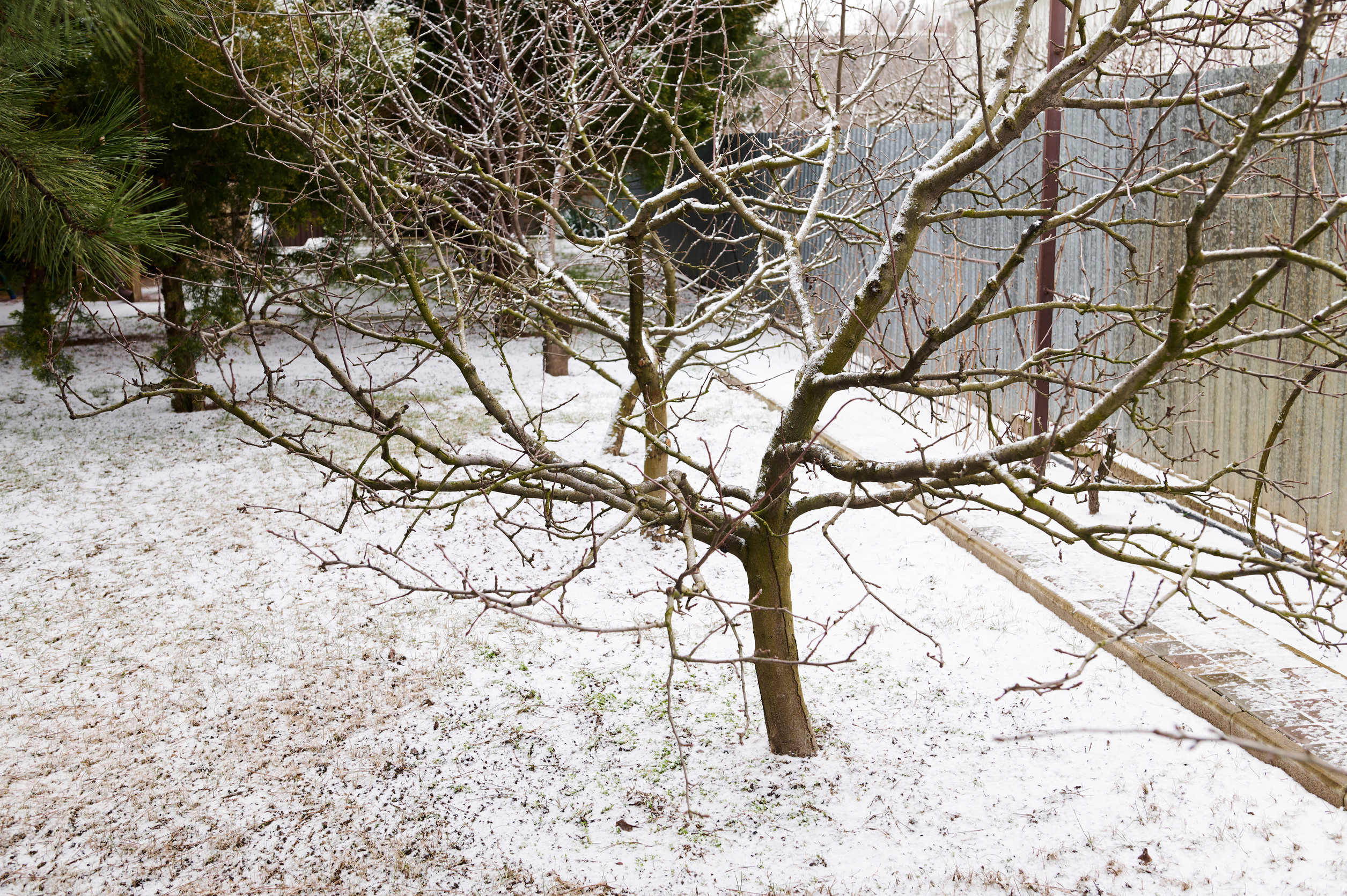
As colder conditions take hold across Central Minnesota, lawns quietly shift into a defensive phase. While grass may still appear stable on the surface, significant changes are happening underground. Soil begins to firm, moisture movement slows, and grass plants reduce growth while conserving energy for survival.
This stage of the season is often underestimated. Many lawn issues blamed on winter weather or spring conditions actually originate during this transition. Foot traffic, equipment use, and neglected debris can cause damage that remains hidden until snow melts months later. Protecting lawns as the ground begins to harden is one of the most effective ways to reduce long-term turf problems.
When soil temperatures drop, microbial activity slows and soil particles bind more tightly together. Moisture becomes less mobile, and the soil’s ability to rebound from pressure decreases.
For turfgrass, this means:
Unlike summer damage, which turf can often outgrow, late-season damage frequently carries into spring.
Foot traffic may seem harmless, but when soil is firming and grass is less resilient, even light use can cause lasting harm. Each step compresses soil particles, limiting oxygen availability and root expansion.
Common late-season traffic risks include:
Over time, these pressures create compacted zones that warm more slowly in spring and struggle to support healthy growth.
Not all parts of a lawn respond the same way as the ground hardens. Certain zones are far more vulnerable and should receive extra protection.
These include:
Identifying and protecting these zones reduces uneven damage and improves overall turf consistency.
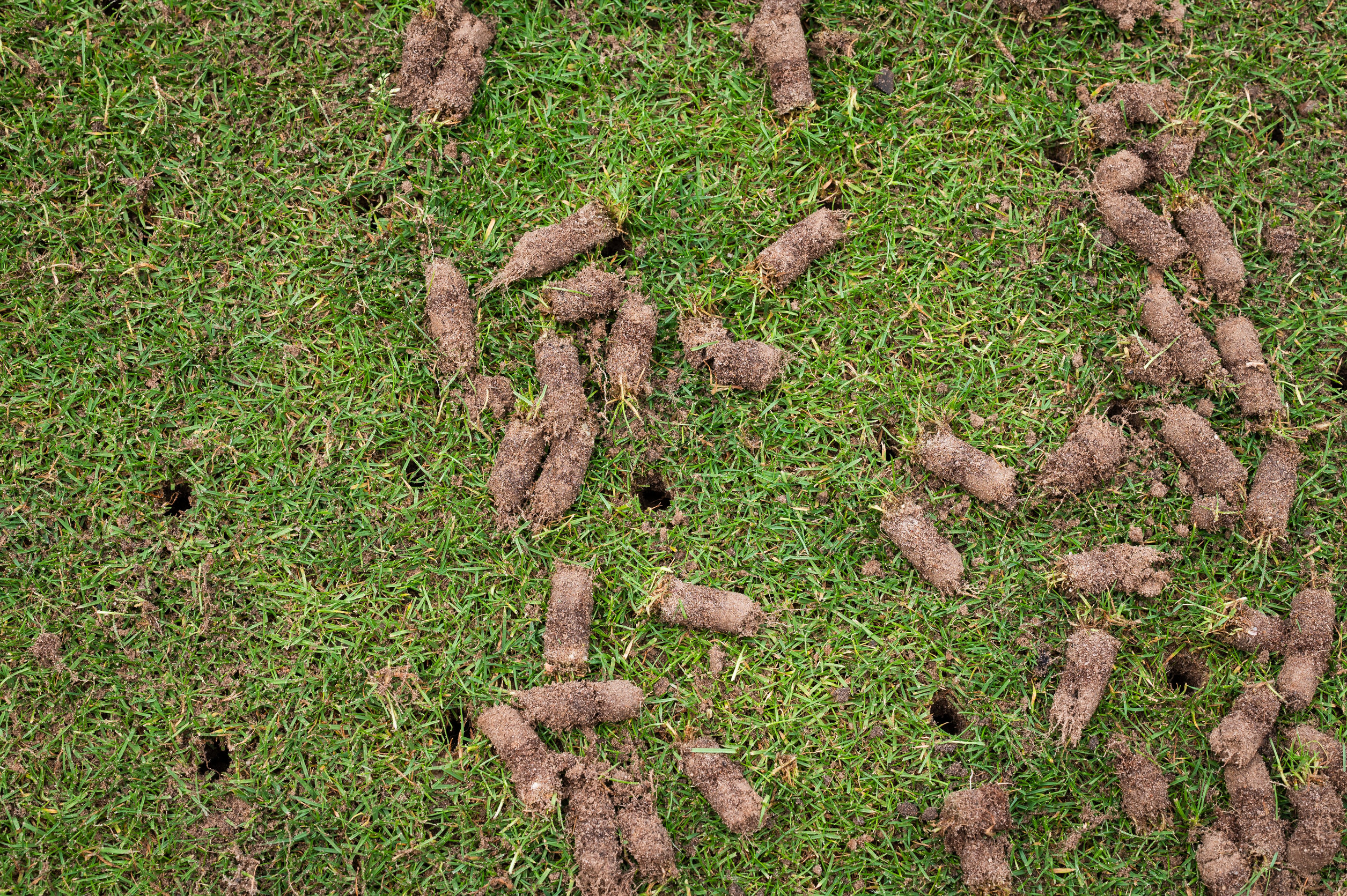
Compaction is one of the most damaging and misunderstood lawn issues during this phase. Once soil becomes compacted late in the season, it typically remains that way until active aeration is possible again.
Compacted soil leads to:
Preventing compaction now is far easier and more effective than correcting it later.
Late-season moisture management is delicate. Soil that is too dry becomes brittle, while soil that is too wet compacts easily and freezes unevenly.
Balanced moisture helps soil handle temperature changes more evenly and reduces freeze damage.
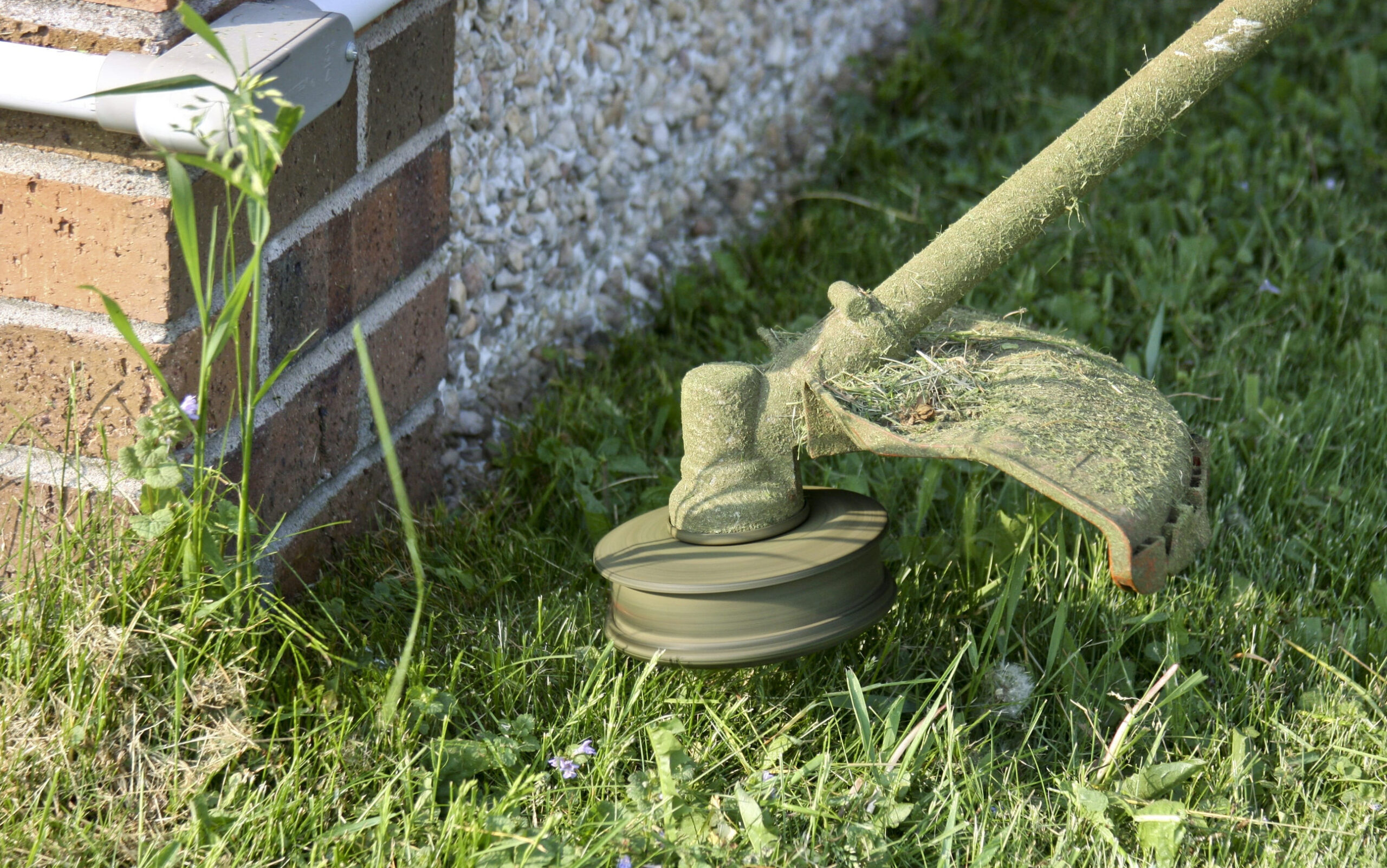
As soil hardens, lawns should no longer be treated as work surfaces. Driving equipment across turf during this phase almost guarantees long-term damage.
Equipment risks include:
Whenever possible, shift all equipment activity to hard surfaces.
Many Brainerd Lakes properties experience reduced occupancy during this period. Without regular observation, lawns may be unknowingly subjected to repeated stress from visitors, service vehicles, or stored items.
Professional property maintenance helps ensure lawns remain protected even when owners are not present, preserving turf health through winter.
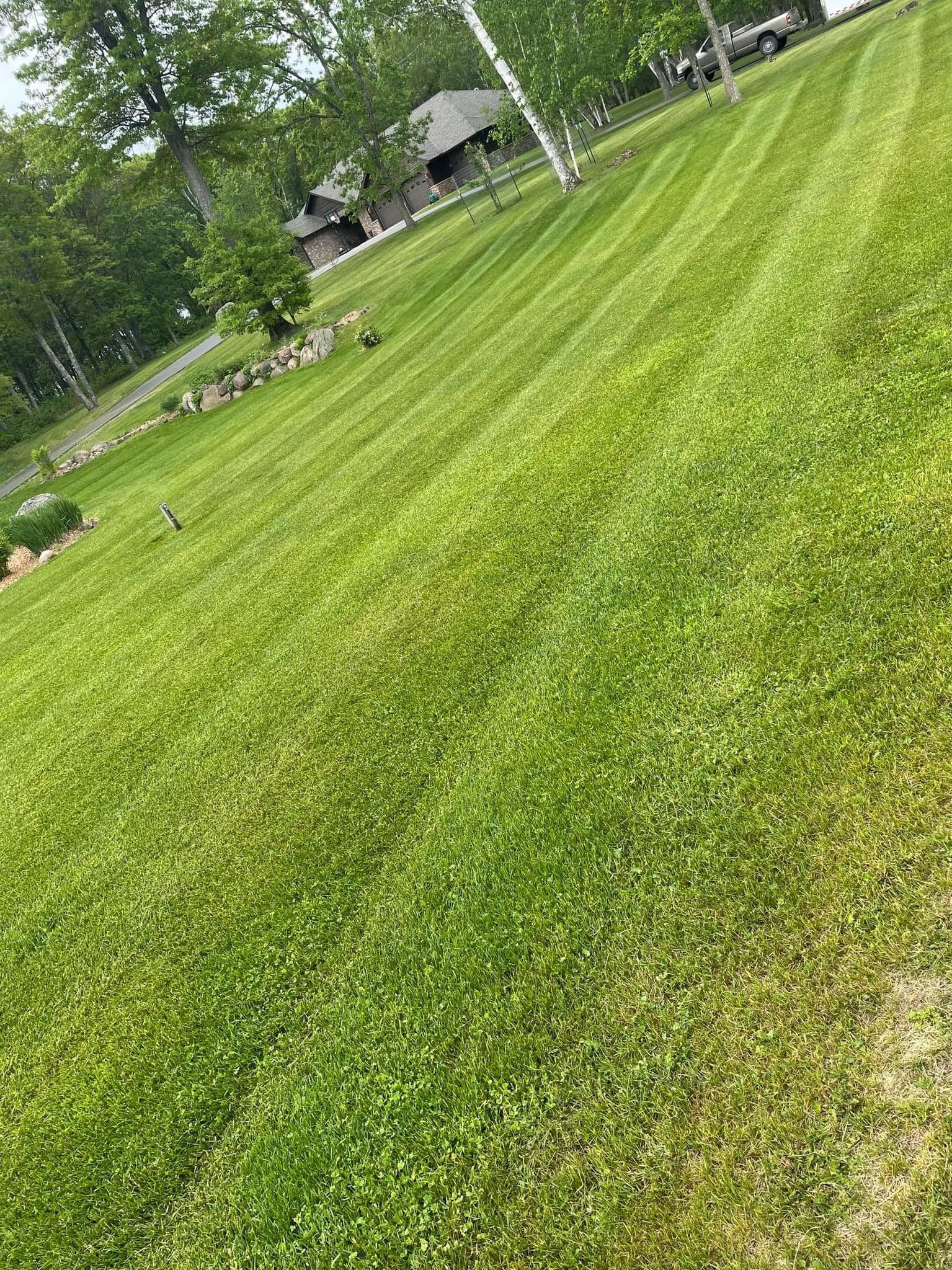
Lawns that are respected during this transition consistently show:
Late-season restraint is one of the most powerful lawn care strategies available.
RJ3 Property Maintenance
11189 Sleepy Hollow Drive
Brainerd, MN 56401
Phone: (218) 576-4992
Email: info@rj3pm.com
RJ3 Property Maintenance provides professional lawn care and property maintenance services designed to protect Minnesota lawns through every seasonal transition.