
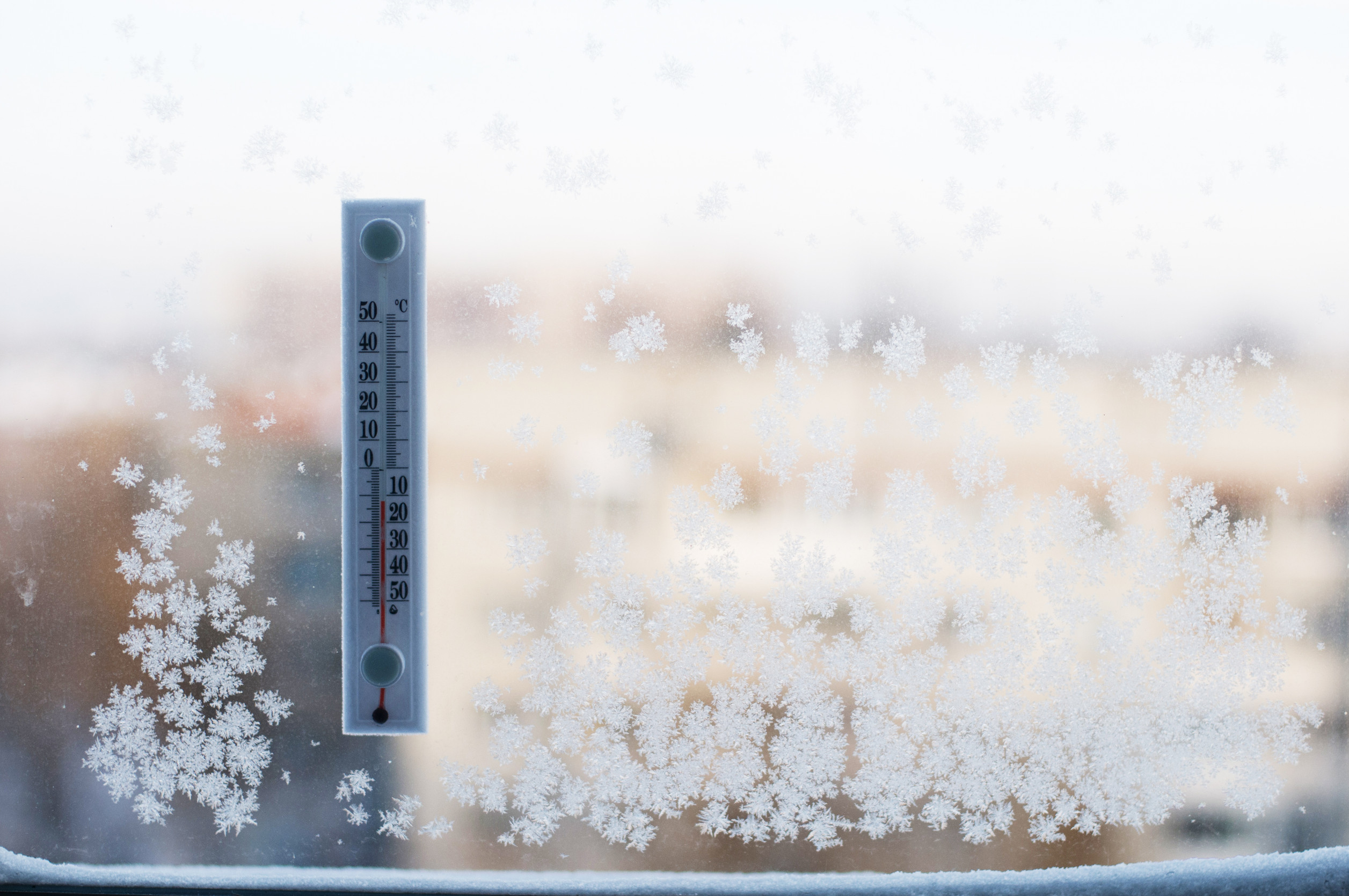
Before deep winter sets in, lawns often endure weeks of fluctuating temperatures. Soil freezes overnight and thaws during the day, creating constant movement beneath the turf surface.
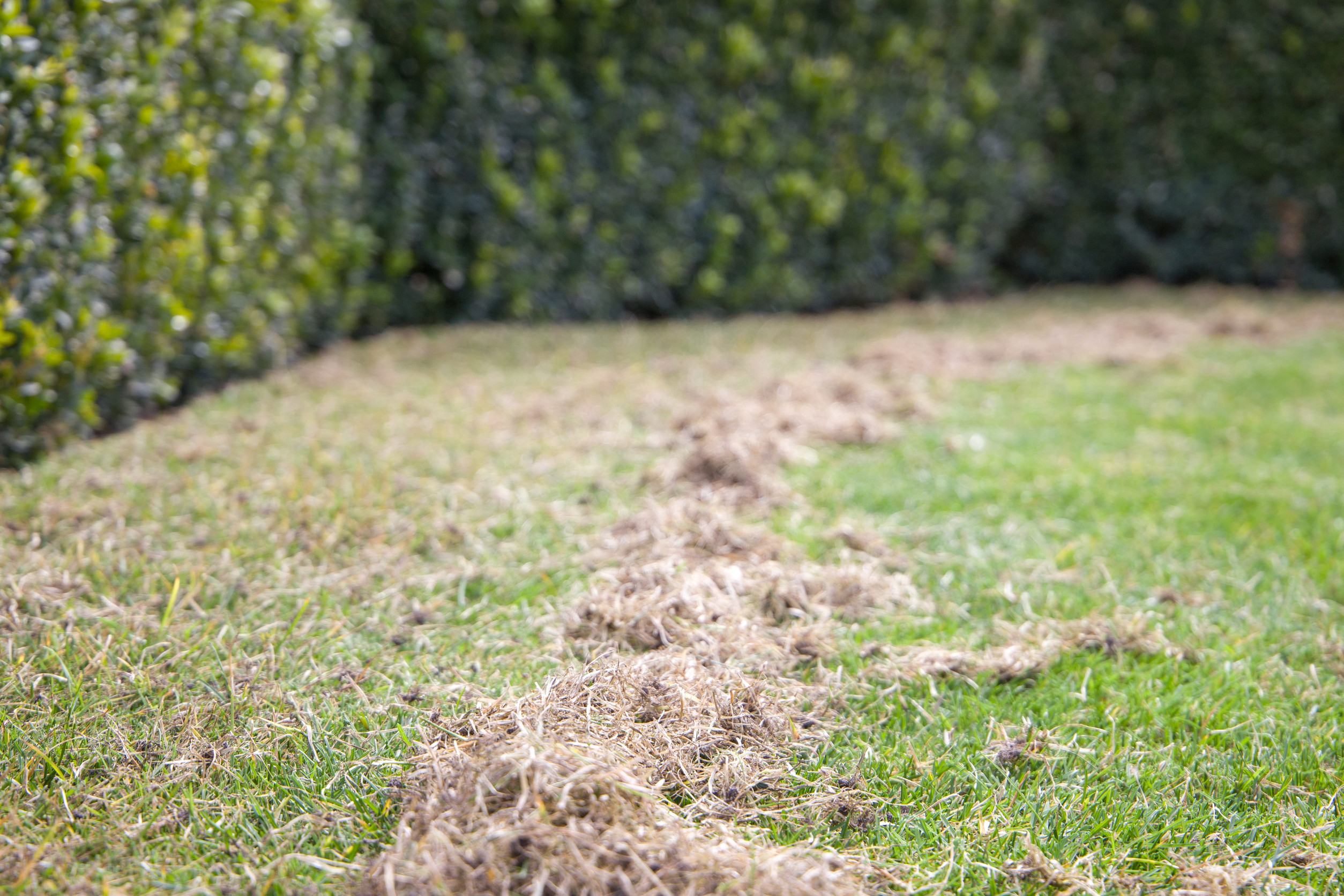
This repeated expansion and contraction places significant stress on grass plants. Without proper management, lawns may experience heaving, root exposure, and uneven surfaces that persist into spring.
Freeze-thaw damage occurs when:
Over time, turf loses anchorage and becomes vulnerable to cold injury.
Water trapped in soil magnifies freeze-thaw damage. Poor drainage allows moisture to collect and refreeze repeatedly.
Reducing risk includes:
Balanced moisture helps soil move less dramatically during temperature swings.
Thawing soil is especially vulnerable. Walking or driving on partially frozen turf compresses soil and damages roots.
Limiting activity during thaw periods protects soil structure and prevents long-term compaction.
Lawns with proper drainage handle freeze-thaw cycles more effectively. Water moves through the soil rather than pooling and refreezing.
Improved drainage reduces:
Freeze-thaw damage is rarely obvious immediately. Instead, symptoms appear later as:
Preventive care reduces the need for spring repair.
RJ3 Property Maintenance
11189 Sleepy Hollow Drive
Brainerd, MN 56401
Phone: (218) 576-4992
Email: info@rj3pm.com