
As winter fades across the Brainerd Lakes area, homeowners begin turning their attention back to lawn care and landscape maintenance. Snow melt, fluctuating temperatures, and months of frozen ground can leave lawns stressed and depleted heading into spring. One of the most important steps in restoring turf health during this transition is spring fertilization.
Fertilizing your lawn in spring provides essential nutrients that support healthy growth, stronger roots, and improved resilience throughout the growing season. In Minnesota’s climate, where lawns experience long winters and rapid seasonal changes, timing and technique play a major role in achieving healthy, vibrant turf.
Understanding how spring fertilization works—and how it fits into an overall lawn care strategy—can help homeowners maintain greener, healthier lawns while improving curb appeal and long-term landscape health.
Grass relies on nutrients to recover from winter stress and begin active growth in spring. During winter dormancy, turfgrass uses stored energy reserves to survive cold temperatures and snow cover. By spring, many lawns require replenishment to regain strength.
A properly fertilized lawn is better equipped to handle seasonal stressors such as drought, foot traffic, and temperature fluctuations.
Fertilizer provides nutrients that grass needs to grow and remain healthy. The three primary nutrients found in lawn fertilizers are:
Nitrogen supports leaf growth and gives grass its green color. It is typically the most important nutrient for spring lawn growth.
Phosphorus helps develop strong root systems, which are essential for long-term lawn health.
Potassium improves overall turf resilience and helps grass tolerate stress from heat, drought, and disease.
Balanced nutrient management is essential for maintaining a healthy lawn without overstimulating growth.
Timing is one of the most important factors in spring fertilization.
Many homeowners fertilize too early, applying nutrients before the grass has fully exited dormancy. In Minnesota, it’s generally best to wait until the lawn begins actively growing and soil temperatures begin to rise consistently.
For much of the Brainerd Lakes region, spring fertilization often occurs between late April and early June, depending on weather conditions.
Applying fertilizer during this window allows grass to absorb nutrients effectively while supporting healthy seasonal growth.
Fertilizer should not be applied to frozen ground or overly saturated soil, as nutrients may run off before they can be absorbed.
Different lawns require different fertilization strategies depending on soil conditions, grass type, and overall lawn health.
Slow-release fertilizers gradually provide nutrients over time, supporting consistent growth while reducing the risk of nutrient loss.
Some homeowners choose organic fertilizers that improve soil health while delivering nutrients naturally.
Selecting the right fertilizer depends on the specific needs of the lawn and the goals of the overall lawn care plan.
Proper preparation helps maximize the effectiveness of spring fertilizer applications.
Leaves, debris, and leftover organic matter should be removed to allow fertilizer to reach the soil surface.
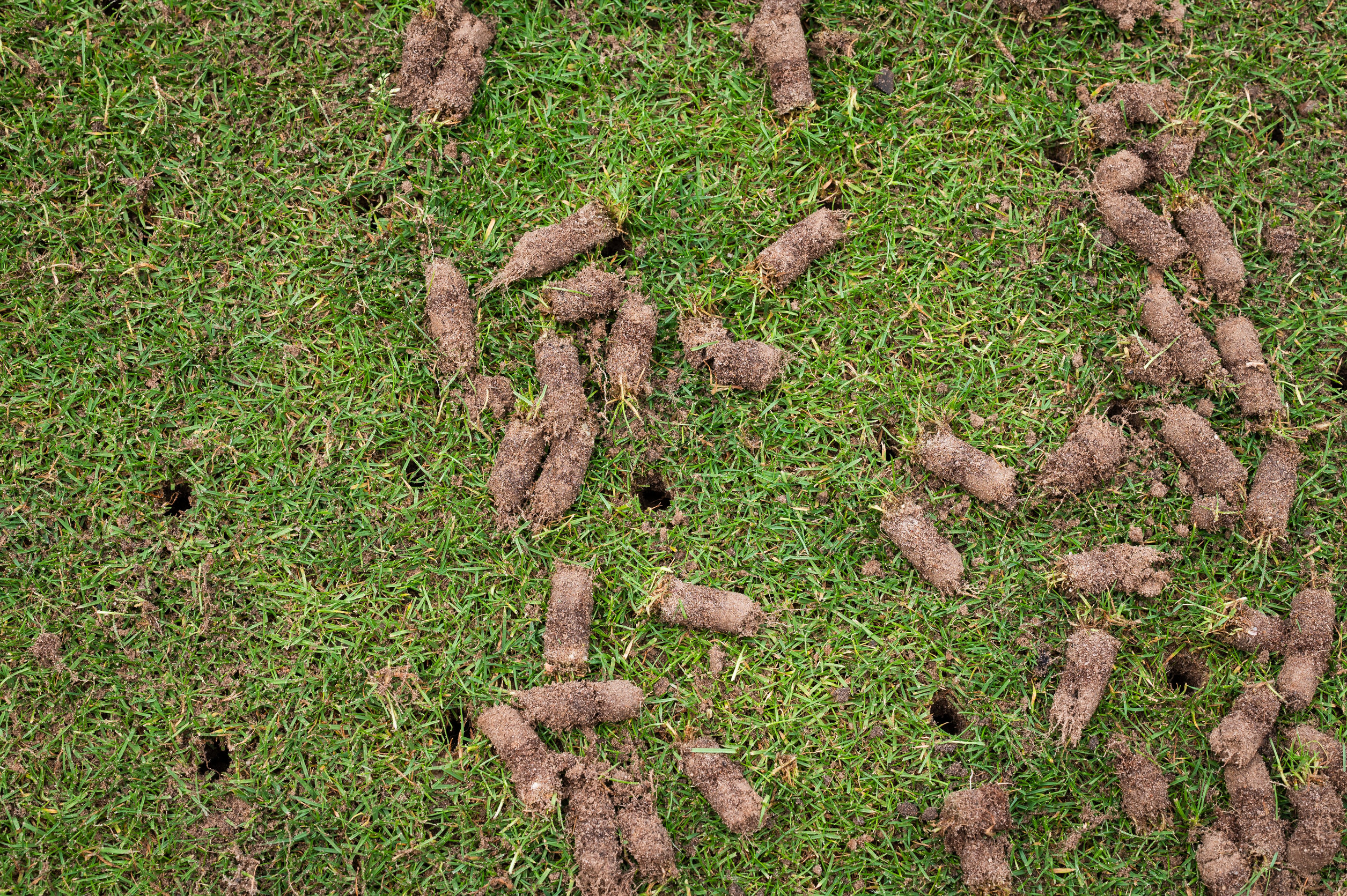
Winter conditions can compact soil, limiting nutrient absorption. Aeration improves airflow and allows fertilizer, water, and oxygen to penetrate deeper into the root zone.
If your lawn has bare or thinning areas, overseeding before or after fertilization can help improve turf density.
Testing soil provides insight into nutrient deficiencies and pH levels, helping guide fertilization decisions more accurately.
Healthy lawns naturally resist weeds more effectively than weak or stressed turf.
Dense grass shades the soil, making it harder for weed seeds to germinate.
Applying fertilizer too aggressively in early spring may stimulate weed growth alongside grass growth. Balanced applications help encourage turf development without creating unnecessary stress.
Consistent mowing, watering, and weed management work together with fertilization to maintain healthy lawns throughout the season.
Proper mowing practices support the benefits of spring fertilization.
Removing no more than one-third of the grass blade at a time helps reduce stress and maintain healthy turf.
In Minnesota, many lawns perform best when maintained between 2.5 and 3.5 inches during the growing season.
Sharp blades create cleaner cuts, helping grass recover more efficiently after mowing.
When mowing practices align with fertilization schedules, lawns are better able to utilize nutrients effectively.
Water plays a critical role in helping fertilizer move into the soil where roots can absorb nutrients.
Most granular fertilizers benefit from light watering after application to help activate nutrients.
Excessive watering can wash fertilizer away before it is absorbed, reducing effectiveness and potentially contributing to runoff.
Applying fertilizer before heavy rain may lead to nutrient loss and uneven distribution.
While fertilization can significantly improve lawn health, improper applications may create problems.
Applying too much fertilizer can burn grass and overstimulate growth, leading to weak turf.
Applying nutrients before active growth begins may result in poor absorption and wasted product.
Inconsistent spreading can create patchy growth patterns and uneven lawn color.
Fertilizer alone cannot compensate for compacted soil, poor drainage, or underlying lawn issues.
A balanced lawn care approach addresses both nutrient needs and broader environmental conditions.
Spring fertilization is not just about achieving greener grass in the short term—it contributes to the long-term health and resilience of your lawn.
Proper nutrient management supports deeper roots, helping lawns tolerate drought and seasonal stress.
Healthy lawns often require fewer repairs, weed treatments, and corrective measures over time.
Well-maintained lawns contribute significantly to curb appeal and create a cleaner, more polished landscape.
For many homeowners, managing fertilizer schedules and lawn care routines can be time-consuming. Professional lawn care services help ensure nutrients are applied properly and at the right time.
Professional services may include:
Working with experienced professionals helps ensure that lawn care strategies are tailored to Minnesota’s climate and growing conditions.
The Brainerd Lakes region presents unique lawn care challenges due to its seasonal weather patterns, varying soil conditions, and long winters. Spring fertilization plays a major role in helping lawns recover and prepare for the growing season ahead.
By combining proper fertilization with consistent mowing, watering, and maintenance, homeowners can support healthy turf growth while improving the overall appearance of their property.
Thoughtful lawn care practices not only enhance curb appeal but also contribute to the long-term health and sustainability of outdoor spaces throughout Minnesota.
RJ3 Property Maintenance
11189 Sleepy Hollow Drive
Brainerd, MN 56401
Phone: (218) 576-4992
Email: info@rj3pm.com
RJ3 Property Maintenance provides lawn care, landscaping, seasonal cleanup, snow removal, and property maintenance services throughout the Brainerd Lakes area, including Brainerd, Baxter, Pillager, Nisswa, Lake Shore, Merrifield, Crosslake, Garrison, Deerwood, Crosby, and Little Falls.